Zen Zones: Creating Serene Spaces with Japanese Garden Design Principles May 21, 2026
Japanese garden design, renowned for its simplicity and elegance, is rooted in the philosophy of Zen Buddhism. This approach emphasizes balance and harmony, often incorporating natural elements in a sophisticated manner. The essence of a Japanese garden lies in its ability to evoke a sense of peace and mindfulness.
To begin, consider the significance of asymmetry in Japanese garden design. Unlike Western gardens that often strive for symmetry and uniformity, Japanese gardens embrace asymmetrical patterns, reflecting the natural world’s inherent imperfections. When designing your Zen Zone, don’t be afraid to let go of symmetrical balance. Instead, scatter stones and plants in a way that reflects nature’s randomness. This creates an organic and tranquil environment that feels spontaneous yet thoughtfully curated.
The use of miniature landscapes is another cornerstone of Japanese gardens. By employing elements such as rocks, sand, and water, you can create enchanting vignettes that offer a microcosm of the natural world. For instance, a carefully arranged stone grouping can represent mountains, while a simple gravel bed raked into flowing patterns embodies the essence of water. These miniature representations not only enhance visual appeal but also invite contemplative exploration.
Water elements, such as a koi pond or a tranquil water basin, can serve as a focal point for your serene space. Water’s reflective properties add depth to the garden while its gentle sounds provide an auditory respite from the hustle and bustle of daily life. Placing a small, bamboo water fountain within your garden further enhances the experience, as the rhythmic flow of water creates a soothing auditory backdrop.
Plant selection is crucial in Japanese garden design. Opt for plants that offer seasonal interest and subtle beauty, such as maples, azaleas, or mosses. These plants not only enhance the visual aesthetic but also connect the garden to the changing seasons, reminding us of life's continuous cycles. Bamboo, a staple in many Japanese gardens, can serve as a natural screen or boundary, adding height and drama to the landscape while maintaining a sense of seclusion.
Incorporating a meditation spot, perhaps a stone bench or a wooden seat nestled among verdant foliage, invites tranquility and reflection. This dedicated space allows you to pause, breathe, and immerse yourself in the serene surroundings. It's an invitation to practice mindfulness amid nature's embrace, drawing inspiration from the ancient Zen practice of Shakkei, or "borrowed scenery," which connects the immediate garden to the broader landscape.
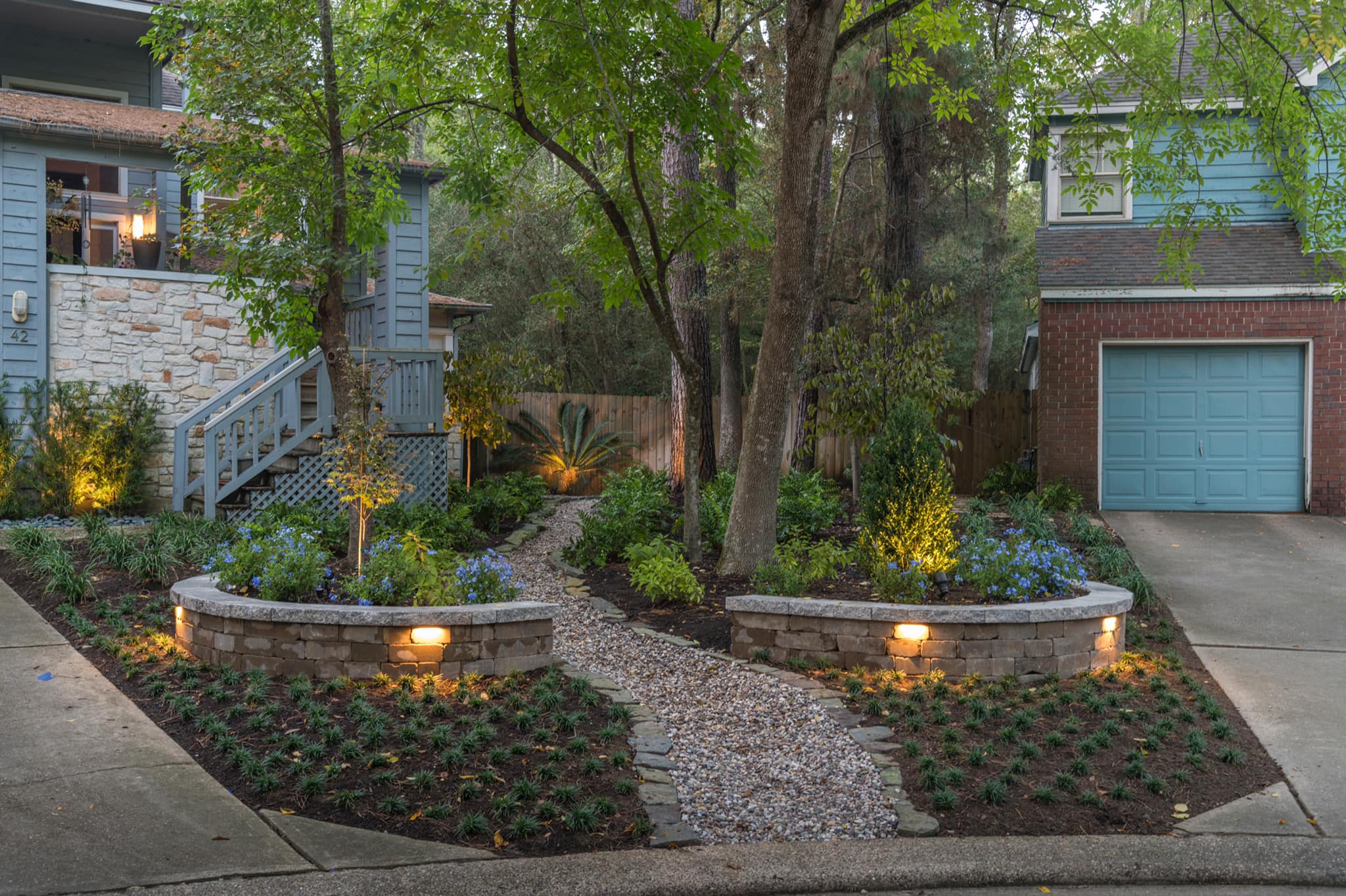
Finally, lighting plays a vital role in extending the garden's usability into the evening. Soft, solar-powered lanterns or strategically placed LED lights can highlight pathways and focal points without overpowering the garden’s tranquil atmosphere. The gentle illumination not only enhances safety but also prolongs a sense of calm as the sun sets.
By embracing Japanese garden design principles, you transform your landscape into a serene retreat—your personal Zen Zone. At Atlas Land Design, we are eager to help you realize this vision, creating spaces that offer peace and grounding in an otherwise chaotic world. Let us guide you in cultivating a sanctuary that harmonizes with nature, offering a lasting refuge for the mind and spirit.