Zen Zones: Crafting Serene Spaces with Japanese Garden Techniques May 21, 2026
Japanese gardens are renowned for their minimalist beauty and ability to offer a spiritual retreat. These gardens traditionally emphasize simplicity, balance, and the natural beauty of their components. By integrating elements like rocks, water features, and native plants, you can establish a space that reflects harmony and nature's tranquility.
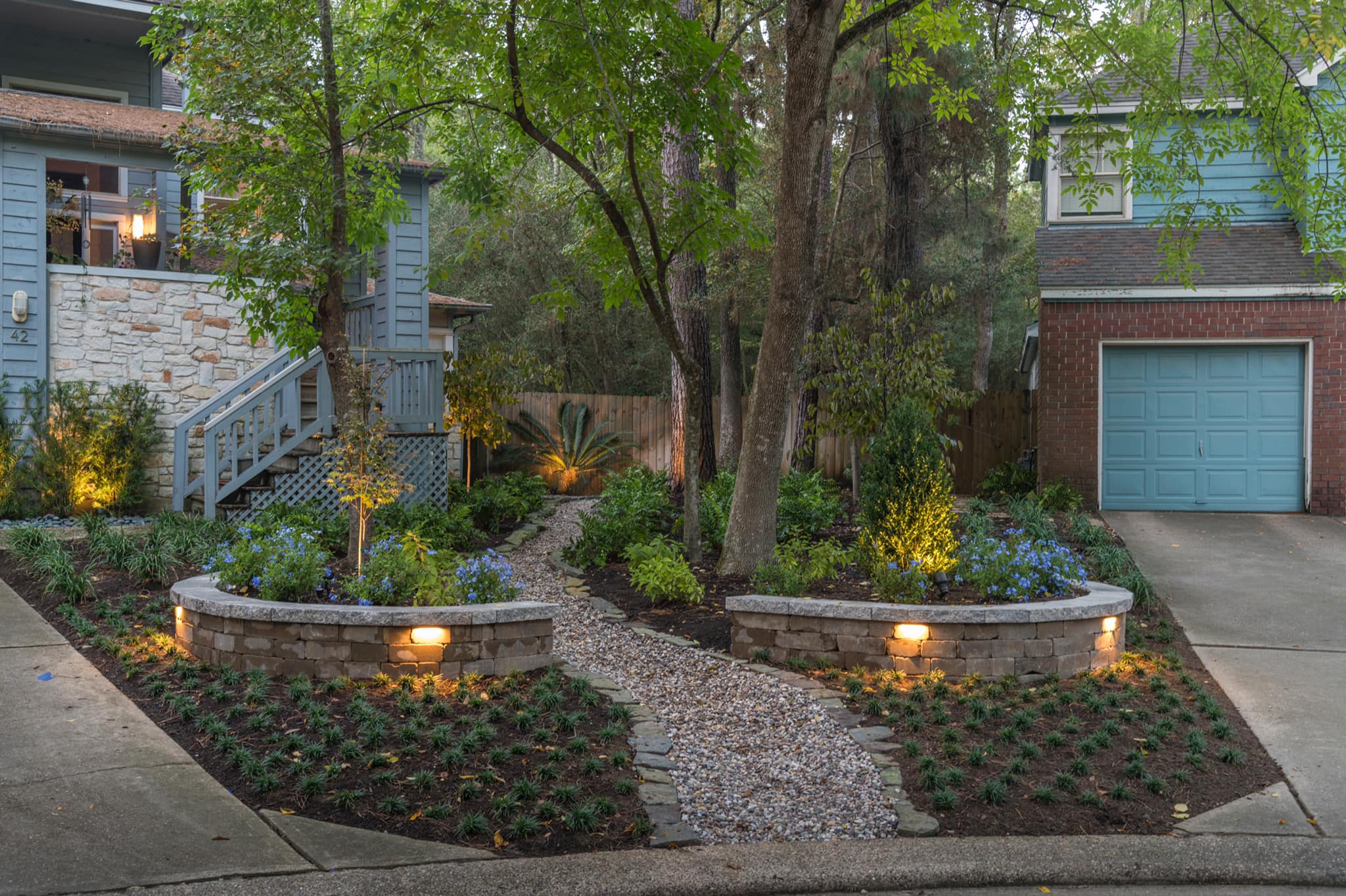
Begin by considering the layout of your garden. Japanese garden design often focuses on asymmetrical patterns, which mimic the randomness of nature. This approach creates a more authentic and soothing environment. Start by mapping out your Zen zone with a gentle flow from one area to another, incorporating pathways made of natural stone or gravel to guide the way.
Water is an essential element of Japanese gardens. Symbolic of renewal and life, integrating a small pond or a simple stone water basin can enhance the ambiance of tranquility and peace. The sound of gently trickling water can help mask city noise, further enhancing the sanctuary-like feel. If your space is limited, consider a contemporary water fountain made of natural materials like stone or bamboo, in keeping with traditional aesthetics.
Rocks and stones are pivotal in Japanese garden aesthetics. These elements provide structure and form amidst the lush greenery. Select stones of varying sizes and place them thoughtfully to create focal points that draw the eye and add texture to the landscape. Moss is another common component that blends beautifully with rocks, offering a lush, soft appearance that ages gracefully over time.
Opt for native plant species that reflect the quiet elegance of traditional Japanese gardens. Trees such as Japanese maple or cherry blossoms offer vibrant seasonal colors and graceful forms. Evergreens, such as pine, provide year-round structure and can be pruned meticulously to reflect the disciplined art of bonsai. Ground covers like moss or creeping thyme can create a smooth, lush carpet at your feet.
The strategic use of garden accessories can also contribute to your Zen garden's atmosphere. Lanterns crafted from natural materials and placed sporadically among the plants can provide soft lighting to illuminate evening strolls. Simple, minimalist benches invite reflection and relaxation, enabling you to fully experience the peace your garden exudes.
Incorporating these Japanese garden techniques not only elevates the aesthetic appeal of your space but also provides a mental sanctuary where you can unwind. The disciplined simplicity of a Zen garden encourages mindfulness and, in turn, promotes a sense of balance in life.
As you embark on creating your Zen zone, remember that the process is just as important as the finished product. A Japanese garden is forever evolving, just like nature itself. Regular maintenance and thoughtful adjustments will allow your garden to mature and change, offering new experiences with each visit.
At Atlas Land Design, we understand the art of creating gardens that resonate with serenity and balance. Our expertise in landscaping services ensures that your outdoor space becomes a reflection of peace and harmony, tailored to meet your individual needs and tastes. Whether you're starting from scratch or enhancing your existing garden, the integration of Japanese garden techniques will undoubtedly add a serene dimension to your home’s landscape.