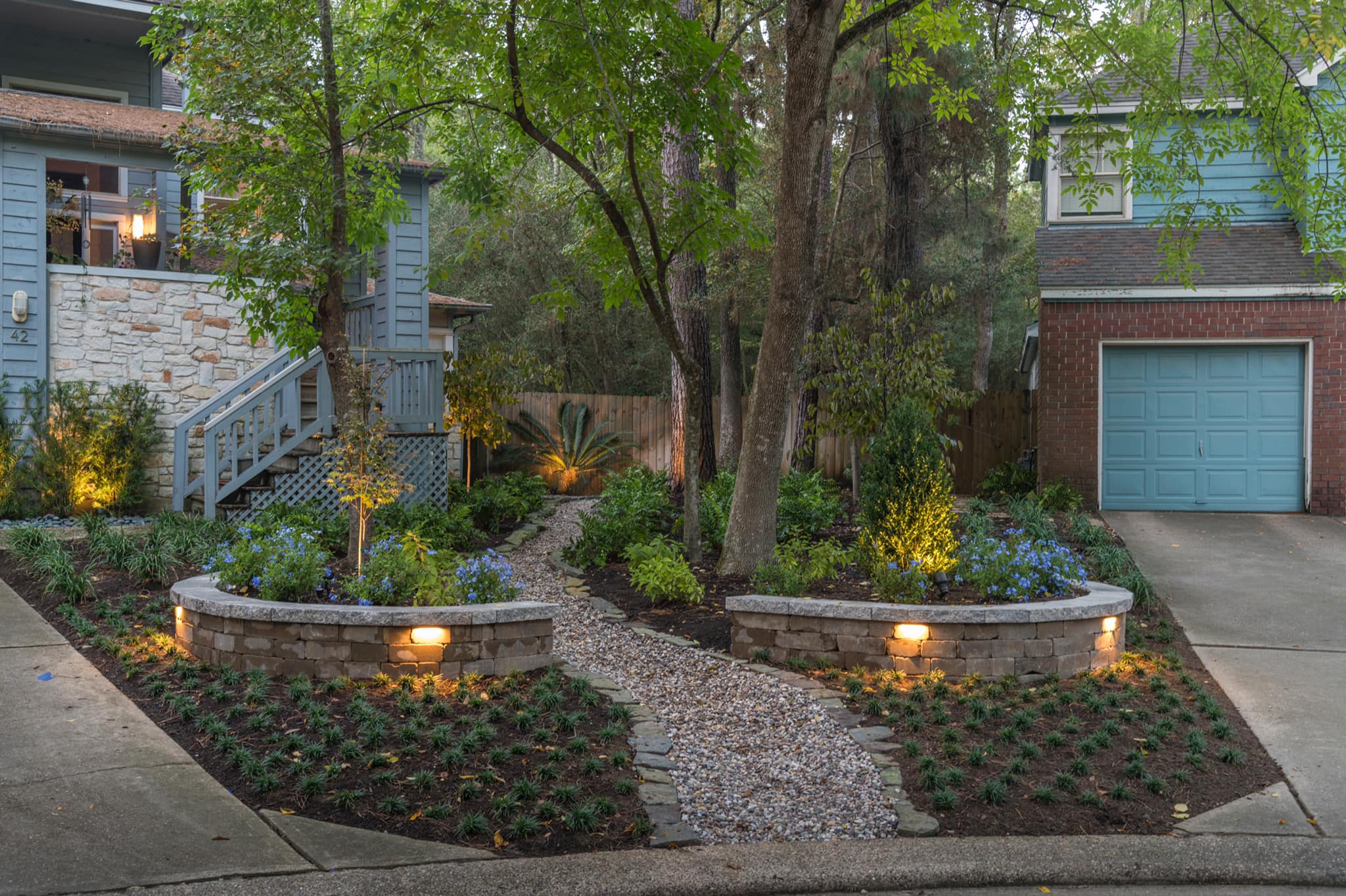
Wildlife Wonder: Designing Gardens that Encourage Nature's Visitors Jun 28, 2026
Starting with the basics, it's important to recognize the core needs of wildlife - food, water, shelter, and a safe area to raise their young. Ensuring your garden can offer these essentials will naturally attract a spectrum of creatures. One of the first steps is incorporating native plants into your landscaping plan. These plants are adapted to the local climate and soil, requiring less maintenance while providing the nourishment and shelter local wildlife need.
When selecting plants, consider using a mix of trees, shrubs, and flowering plants. Trees like oaks and maples provide shelter and nesting sites, while fruit-bearing shrubs such as serviceberry and elderberry offer food and cover. A variety of flowering plants, including coneflowers and bee balm, can attract and sustain pollinators such as bees and butterflies, adding beauty to your garden and supporting these vital species.
Water sources are another critical component of a wildlife-friendly garden. Installing a small pond or birdbath can provide much-needed hydration for birds and insects. Ensure you maintain clean water by keeping the feature free of debris, or consider adding a pump for a circulating water feature to prevent stagnancy, which can attract unwanted pests.
Beyond plant life, creating diverse habitats can encourage various species to visit and settle. Stone piles or fallen logs can offer refuge for reptiles and amphibians, while a dense hedge or brush pile provides secure nesting spots for birds. Consider installing bat boxes, which can help control insect populations naturally and further support the ecological health of your garden.
Chemical use in gardens is a common pitfall for wildlife. Opt for organic pest management solutions wherever possible. Not only does this protect the creatures visiting your garden, but it also ensures your family and pets enjoy a healthier environment. Encouraging natural predators such as ladybugs or installing birdhouses can effectively manage pests without harmful chemicals.
To accommodate year-round visitors, plan for a garden that offers seasonal interest and resources. Evergreen trees provide shelter in the winter months, and autumn fruiting plants can nourish species preparing for the colder seasons. The continuous cycle keeps wildlife relying on your garden throughout the year, forming a dynamic ecosystem right in your backyard.
Lastly, patience is key. It may take time for wildlife to discover your garden oasis, but the wait is invariably rewarding. Establishing a wildlife-friendly garden reflects your commitment to conservation and respect for the environment, enhancing both aesthetic beauty and ecological balance.
Through these thoughtful landscaping choices, Atlas Land Design helps you create personal spaces that resonate with life and exude tranquility. Every effort you make today ensures a more biodiverse and healthy planet, starting at your doorstep. In bridging the gap between your living space and the natural world, you contribute to a legacy of harmony and sustainability.