The Harmony of Height: Crafting Multi-Level Landscapes for Varied Terrain Dec 03, 2025
Multi-level landscapes are designed to maximize the potential of your terrain. By employing various landscaping techniques such as terracing, retaining walls, and gradient plantings, we create a seamless transition between different levels of your yard. These elements not only address elevation changes but also open up possibilities for unique garden designs, including staggered flower beds, distinct seating areas, and flowing garden paths.
Terracing is a fundamental technique in multi-level landscapes. It involves leveling sections of a slope to form distinct flat platforms, which are supported by retaining walls. This method not only grants you additional usable space but also prevents soil erosion and boosts drainage. Terracing allows for a layered planting strategy, where different plants can thrive in customized micro-environments according to their specific sunlight and water needs.
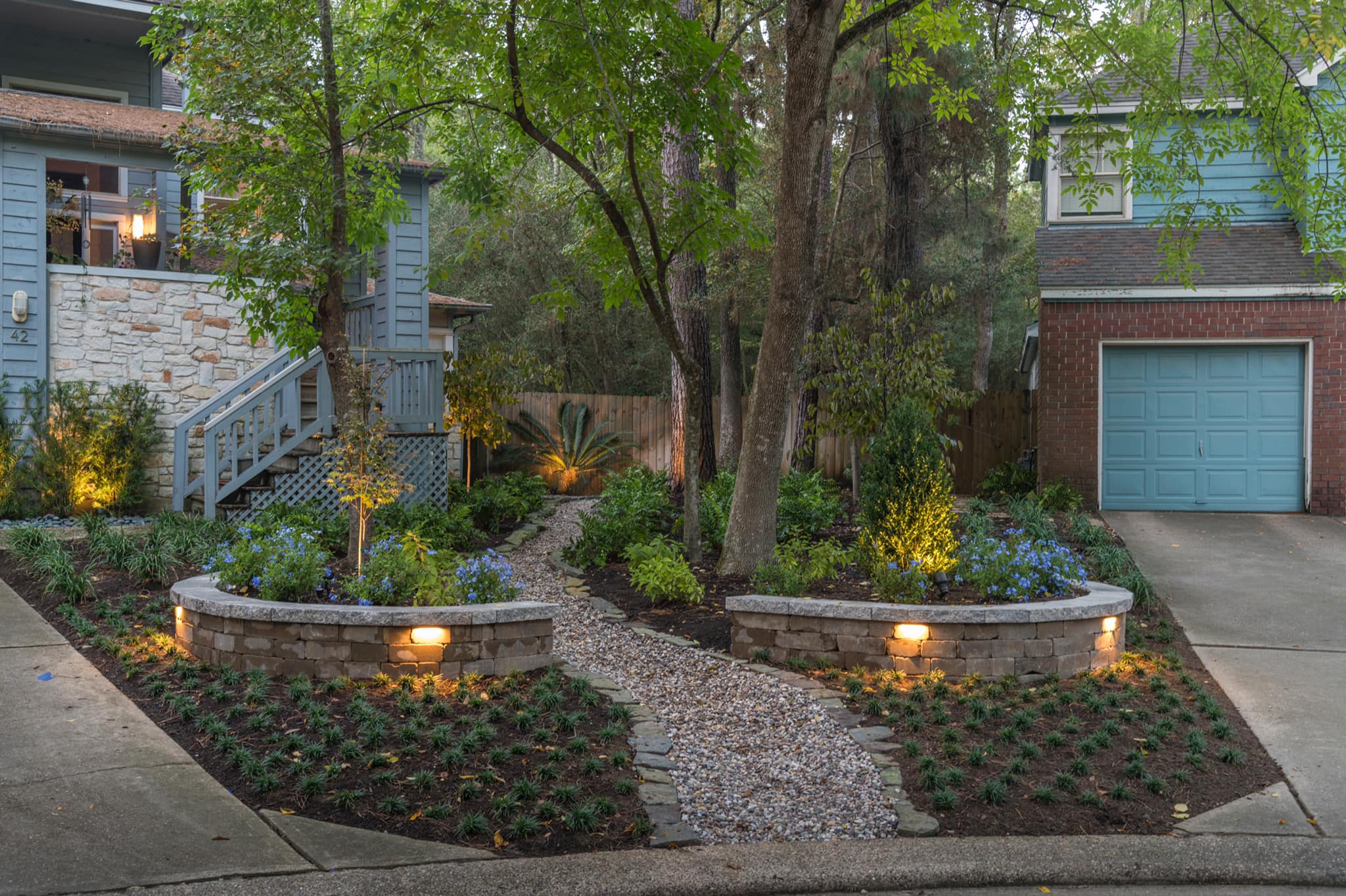
Retaining walls serve both practical and aesthetic purposes in multi-level landscaping. They reinforce the structure of your garden, preventing soil displacement that can occur on sloped surfaces. Furthermore, they provide an opportunity to introduce diverse materials such as stone, brick, or timber, adding texture and contrast to your landscape. The choice of materials can perfectly complement the architectural style of your home, creating a cohesive look that enhances curb appeal.
A successful multi-level landscape takes into account not only the structural elements but also the beauty of seasonal changes. Carefully selected plants can add color and texture throughout the year, ensuring that your garden remains vibrant and engaging regardless of the season. This planning might involve using evergreen shrubs for year-round foliage, deciduous trees for changing leaf colors, or perennials that bloom in succession to provide continual splashes of color.
Furthermore, consider incorporating water features to connect different levels. A cascading waterfall or a gentle stream can draw the eye towards focal points in your garden, while also providing a soothing auditory experience. These elements can serve as natural separators of spaces, creating distinct zones for relaxation, socializing, or solitude.
Lighting is another crucial aspect of multi-level landscaping. By strategically placing soft lighting along pathways, around seating areas, and near focal points like sculptures or water features, you can extend the usability of your outdoor space well into the evening. Good lighting not only enhances safety but also highlights the landscape's features, creating an inviting atmosphere.
In conclusion, crafting a multi-level landscape on varied terrain is more than overcoming geographical challenges—it's about embracing the natural layout of your property to create a stunning, functional masterpiece. At Atlas Land Design, we are committed to designing landscapes that reflect the harmony of height, ensuring they are not only visually captivating but also resilient and sustainable. This approach not only lifts the aesthetic appeal of your home but also enriches your lifestyle by providing a personal sanctuary that can be enjoyed throughout the seasons. Whether it's transforming a steep hillside or maximizing a gentle slope, our expertise and creativity can turn your vision into a spectacular reality.