The Art of Transition: Seamlessly Blending Indoor and Outdoor Living Spaces Dec 13, 2025
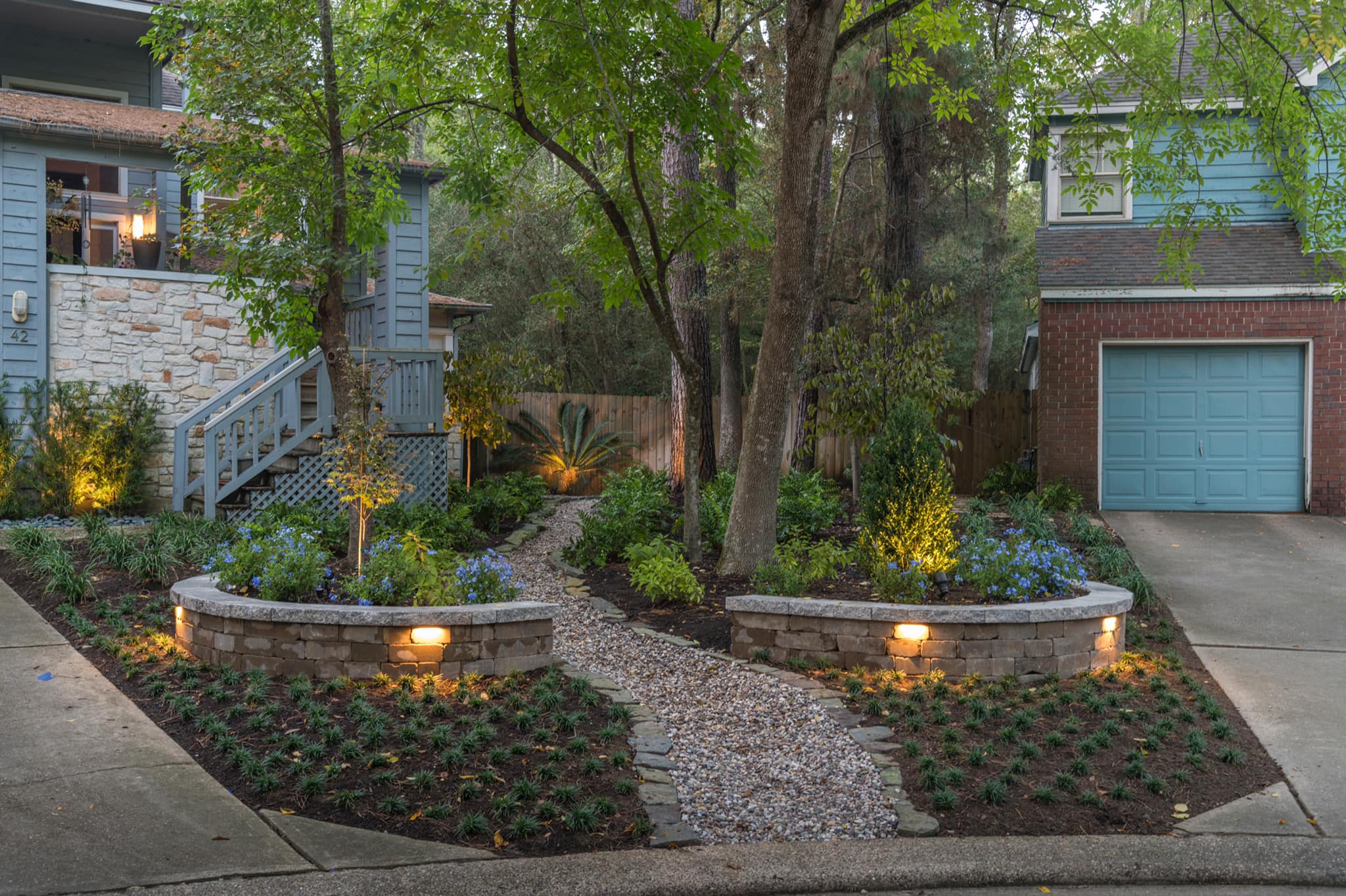
One of the primary elements in creating a cohesive indoor-outdoor living space is the strategic use of hardscaping. By incorporating elements such as patios, decks, and walkways, you can extend your home's footprint into your garden or backyard. These features provide the foundation for outdoor spaces that feel like a natural extension of the indoor living area. Materials like stone, brick, and wood can be selected to match your interior design, ensuring a seamless transition from inside to outside.
Lighting plays a crucial role in this transformation as well. By using smart lighting solutions, you can illuminate pathways and highlight key features of your outdoor landscape. Consider using LED fixtures or solar lighting for an eco-friendly and cost-effective option. Not only does proper lighting add safety and security, but it also extends the usability of your outdoor spaces well into the evening.
Furniture selection is another aspect that can make or break the integration of indoor and outdoor areas. Opt for furniture that complements your interior decor while being robust enough to withstand the elements. Weatherproof materials like teak, wrought iron, and all-weather wicker are excellent choices. Adding cushions and throw pillows in weather-resistant fabrics can enhance comfort and style, making your outdoor space inviting.
Plant selection, too, is key when designing a transition-friendly landscape. Choose native plants that require less maintenance and are well-suited to your local climate. The use of container gardens can also add flexibility and ease, allowing you to shift plantings for seasonal variety and interest. These occur along the paths and patios, weaving nature seamlessly into the man-made elements.
Incorporating water features can further enhance the fluid connection between the indoors and outdoors. A fountain, waterfall, or even a small pond can add a soothing auditory and visual element to your landscape design, inviting tranquility and mindfulness. These features not only enrich your outdoor living experience but can also be a focal point that draws the inside observer out.
At Atlas Land Design, we recommend using large, sliding or bi-fold doors which blur the line between inside and out. These door systems, when opened, create an uninterrupted flow and allow the fresh air and natural light to permeate your living space. Additionally, using similar flooring materials indoors and on your adjoining outdoor areas can create visual continuity, making the transition even more seamless.
As you embark on your journey to blend indoor and outdoor living, remember that the aim is to create a space that reflects your lifestyle and preferences. Whether you're hosting gatherings or enjoying a quiet afternoon in your garden oasis, the goal is to foster a space that invites comfort and relaxation.
In conclusion, the art of transitioning from indoor to outdoor living is about creating harmony and enhancing your quality of life. Let Atlas Land Design guide you in making these spaces part of a cohesive home that embraces the beauty of nature and the comforts of home. With expert design and thoughtful planning, your outdoor areas can become an integral part of your daily living experience, providing value, enjoyment, and an aesthetic link to the natural world.