The Art of Resilience: Designing Landscapes That Thrive in Changing Climates Jan 12, 2026
To begin with, understanding your local climate is essential. The first step in designing a resilient landscape is to assess your region's specific climate challenges. Whether you face scorching summers, unexpected droughts, or torrential rainfalls, knowing the patterns allows you to plan wisely. This forethought enables the selection of appropriate plants and materials that will most effectively withstand your area's weather variations.
One of the core principles of resilient landscape design is the strategic use of native plants. Native species are naturally adapted to thrive in your region's conditions, meaning they require less water and maintenance and are more resistant to local pests and diseases. For example, in arid areas, opting for drought-tolerant plants such as succulents or lavender can significantly reduce water usage. In contrast, rain-rich regions might benefit from plant choices like ferns and native grasses that help manage soil erosion.
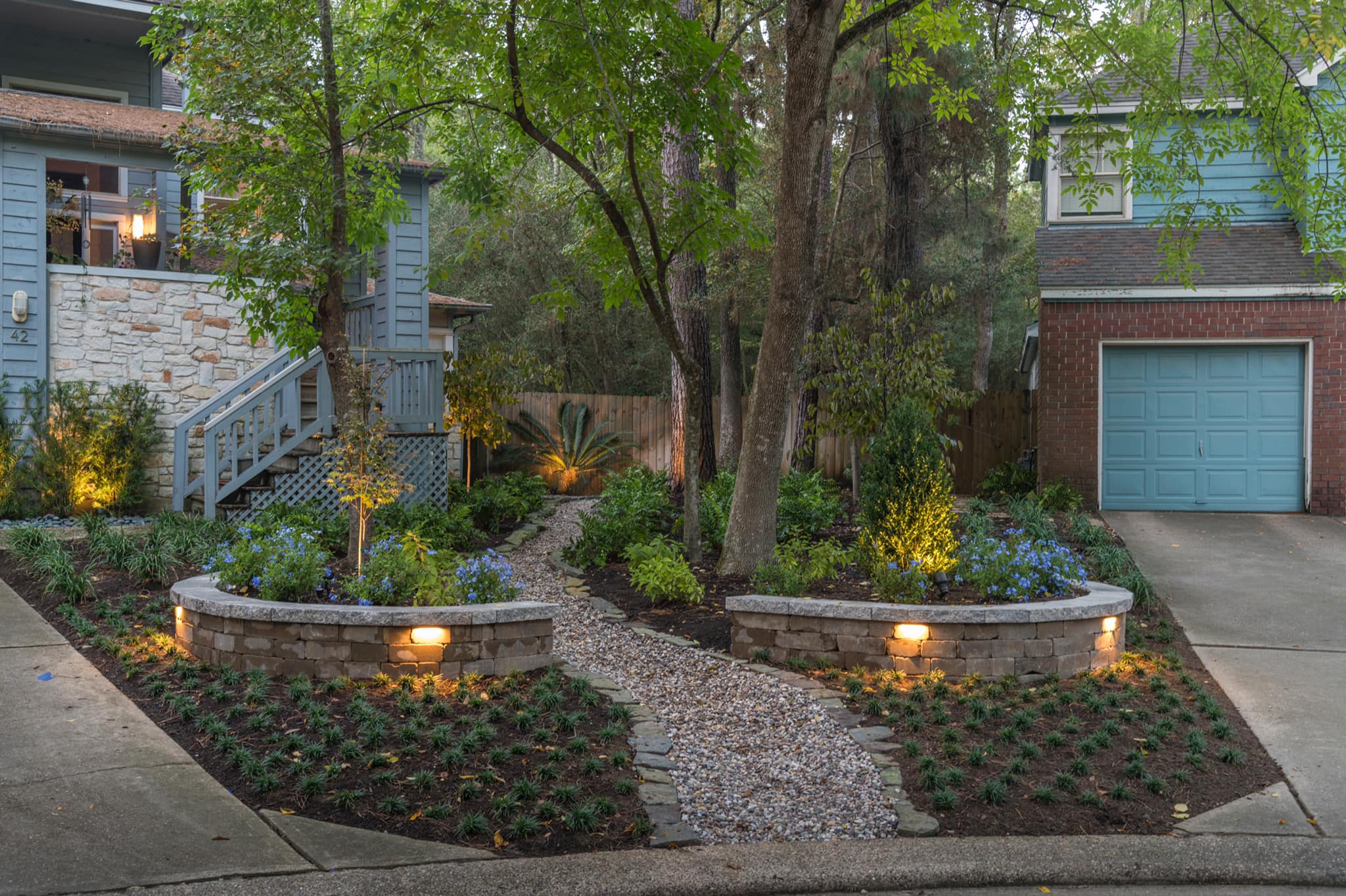
Hardscaping elements play a pivotal role in landscape resilience. By incorporating permeable surfaces, you can effectively manage stormwater runoff and reduce erosion. Options such as gravel paths, permeable pavers, or even grass driveways allow rainwater to seep into the ground, recharging groundwater and lessening the burden on municipal systems. Plus, hardscapes like retaining walls can protect against soil erosion while adding an aesthetic dimension to your garden.
Moreover, consider incorporating water-saving techniques into your landscape design. Drip irrigation systems, for example, provide targeted hydration to plant roots, minimizing water waste. Rainwater harvesting systems, which collect and store rainwater for later use, can further enhance your landscape's sustainability. These installations are not only environmentally friendly but can also reduce your utility bills.
Wildlife-friendly features enhance landscape resilience by fostering biodiversity. Installing birdhouses, butterfly gardens, or small ponds can attract beneficial animals that naturally control pests and pollinate plants. These ecological networks are vital in maintaining balanced ecosystems that are more resilient to climatic stresses.
Seasonal maintenance is critical for sustaining a resilient landscape. Regular tasks such as mulching, pruning, and soil aeration keep gardens healthy and prepared for changing conditions. Mulching, in particular, helps retain soil moisture, suppress weeds, and regulate soil temperature, thus offering year-round benefits.
In conclusion, the path to a resilient landscape is paved with thoughtful choices that consider both the immediate beauty and long-term sustainability of outdoor spaces. At Atlas Land Design, we believe every landscape can become a thriving ecosystem that embraces the art of resilience. By intelligently selecting native plants, incorporating thoughtful hardscaping, adopting water-saving practices, and promoting biodiversity, you can ensure your garden stands the test of time, weathering every environmental change with grace and strength.
Let us partner with you on this journey to create a landscape that not only reflects your individual style but also champions resilience in the face of an ever-evolving climate. Your commitment today can lay the foundation for thriving green spaces that future generations can enjoy and cherish.