Texture and Terrain: Designing Layered Landscapes with Dimensional Depth Mar 11, 2026
The first step to dimensional landscape design is understanding how to play with different textures. Texture in landscape architecture refers to the perceived surface quality of plants and materials. This includes the tactile surface of various plants, stones, and wood, as well as their visual impact. For instance, consider the rich, rugged feel of flagstone pathways juxtaposed against the sleek surface of a tranquil water feature. Such combinations draw the eye and invite exploration.
Selecting a variety of plant textures can create visual depth and interest. Incorporating a mix of fine, medium, and coarse-textured plants throughout your landscape can make areas appear fuller and more dynamic. Fine-textured plants like ferns or grasses can soften hardscapes and give the perception of movement, whispering in the breeze. Contrastingly, bold, coarse-textured plants such as hostas or ornamental cabbage instill a grounded, solid presence. The synergy between these elements is what transforms an ordinary garden into an engaging ecosystem.
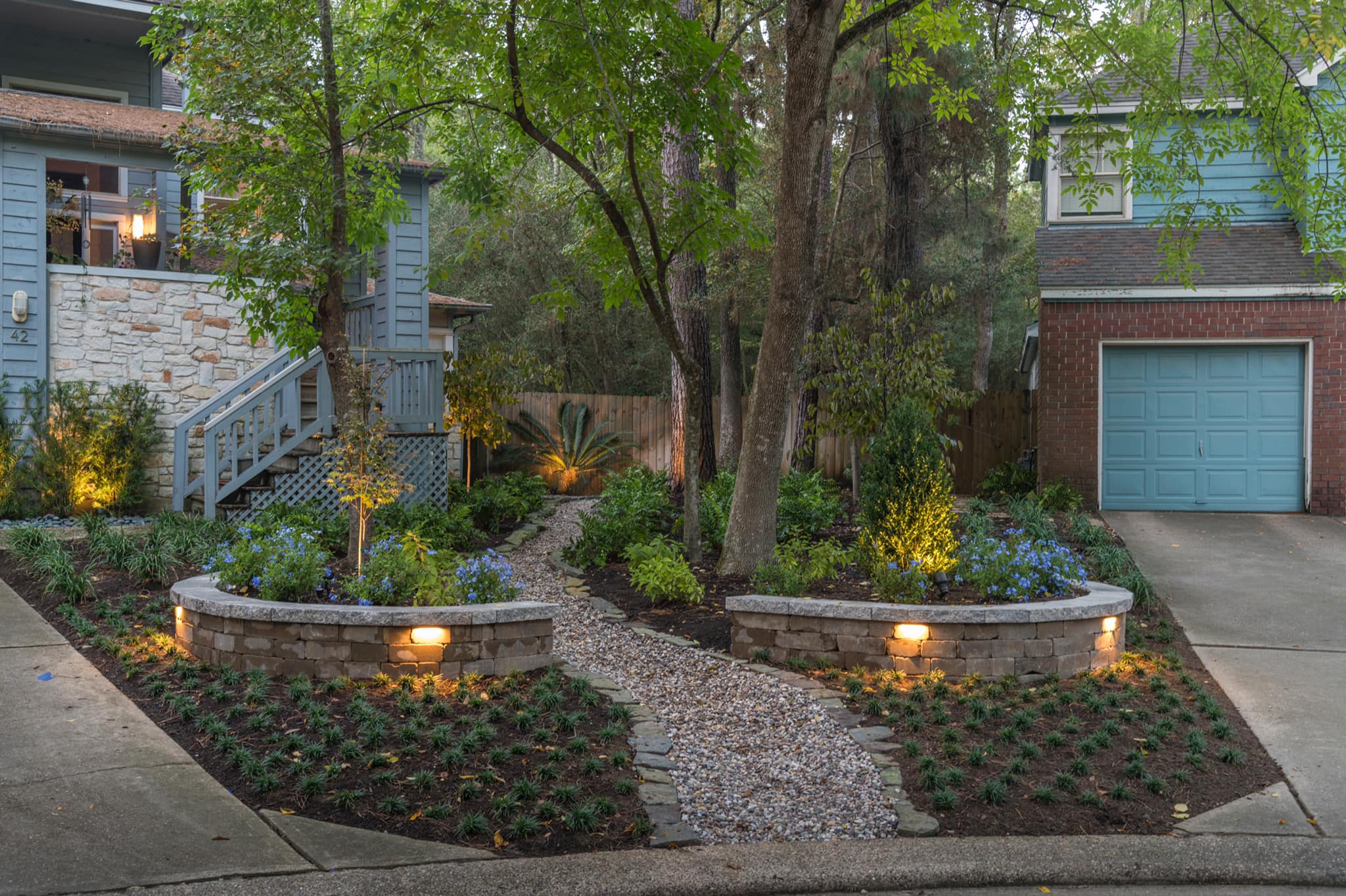
Terrain plays an equally crucial role in designing layered landscapes. While many homeowners see a sloped garden as a challenge, Atlas Land Design views it as an opportunity. By building terraces or retaining walls, you can create different levels or "rooms" within your landscape. This not only helps in managing runoff and erosion but also adds an architectural element to your garden. Imagine a cascading waterfall effect as a focal point, which blends seamlessly into natural stone steps, guiding visitors from one level of your garden to another. Such strategic use of terrain can transform a simple backyard into a tiered masterpiece.
Incorporating pathways and transitions smoothly connects different areas within your landscape. Pathways lined with mulch, pebbles, or bricks serve as the veins of your design, guiding the experience and ensuring each section of your garden offers its unique charm. Cleverly placed lighting along these paths not only highlights the textural differences but also ensures your landscape can be appreciated even after the sun sets.
Designing a landscape with texture and terrain in mind can create a space that feels expansive yet intimate. This technique ensures every view, whether enjoyed from the comfort of your patio or explored on a garden stroll, offers something new and delightful. At Atlas Land Design, we believe that such thoughtful design harmonizes the vibrancy of nature with the precision of architectural beauty.
Finally, remember that the key to maintaining the allure of a layered landscape lies in its upkeep. Regular pruning, cleaning of hardscapes, and replanting as necessary will ensure your garden continues to thrive and impress. At Atlas Land Design, we are committed to providing ongoing support and advice to help you maintain the beauty of your outdoor space for years to come.
Embrace the art of crafting layered landscapes with Atlas Land Design, where texture and terrain unite to create a harmonious blend of natural beauty and architectural brilliance. Whether you're starting from scratch or seeking to revamp an existing design, our experts are here to help you bring your vision to life, imbuing your exterior space with dimension and depth.