Tactile Textures: Integrating Diverse Materials for Sensory Outdoor Experiences Feb 20, 2026
When considering landscape design, tactile textures offer a unique opportunity to enrich the sensory experience. Imagine walking barefoot on a soft grass path, brushing against velvety leaves, or feeling the warmth of sun-kissed stone under your hands. Each material brings a different tactile sensation, enhancing the interaction with your landscape and elevating your outdoor enjoyment.
To start, let us consider the soft, inviting surfaces of natural elements like grass and moss. They create a welcoming landscape that not only visually soothes but also provides a comforting feel underfoot. The soft, plush texture of these surfaces encourages relaxation, making them ideal for areas where foot traffic is frequent or where you might want to pause and enjoy your surroundings.
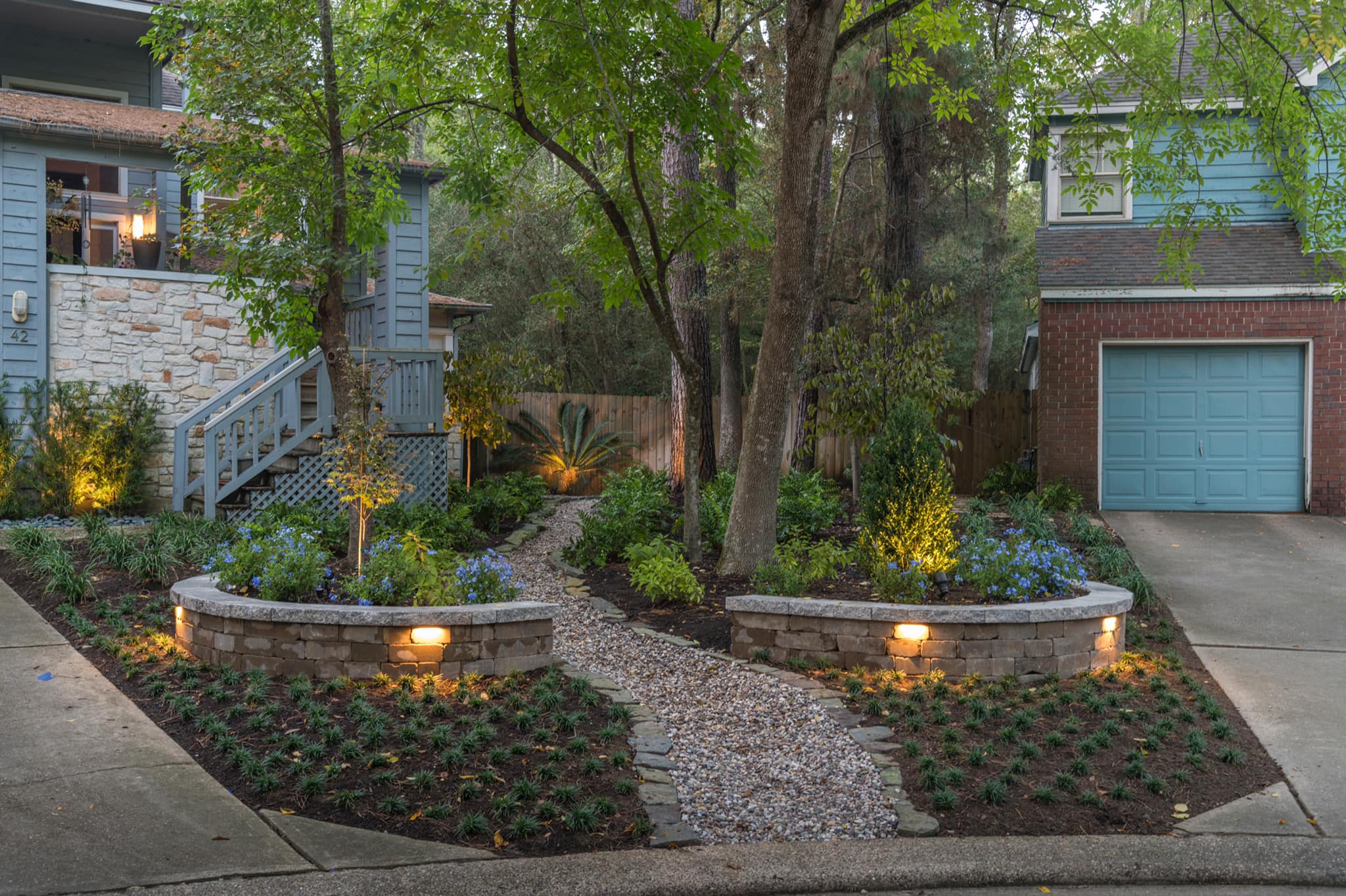
In contrast to these softer elements, incorporating harder materials like stone and wood introduces a variety of textures that can enhance the structural integrity and aesthetic appeal of your space. Imagine the smoothness of polished marble contrasting with the rustic feel of reclaimed timber. Each material offers distinct textures that appeal to both touch and sight, creating a dynamic landscape design. Stone pathways leading through the garden provide a solid, dependable feel, while wooden accents offer a natural warmth that complements surrounding greenery.
For those looking to introduce even more variety, consider elements like water features or gravel pathways. The sound and shimmer of water in a fountain or pond create an auditory and visual focal point, while running your hands over smooth river pebbles can be meditative. Similarly, gravel pathways add a crunchy texture underfoot and produce an audible sound that enhances the sensory experience as you walk through your garden.
Texture diversity is not limited to plant or material selection. Integrating a mix of vertical and horizontal elements can also affect the tactile landscape. Vertical installations, such as garden walls or trellises with climbing vines, urge visitors to reach out and feel their surfaces. Meanwhile, horizontal textures on patios or terraces invite a hands-on experience as the material makes contact with the soles of feet or bases of furniture.
The key to creating these tactile landscapes is balance and intentionality. By combining different textures, you can guide the eye and hand through the space, introducing variety without overwhelming the senses. Consider consulting with design professionals like those at Atlas Land Design, who have the expertise to create harmonious landscapes that encapsulate beauty, function, and texture, ensuring every element adds value to the overall sensory experience.
In conclusion, integrating diverse materials into your landscape is about crafting a space that invites exploration and interaction. By carefully selecting and combining textures, you create an outdoor area that not only looks stunning but also feels immersive and engaging. For those who cherish outdoor living, an investment in a tactile landscape offers endless enjoyment and connection with nature. Let Atlas Land Design help you transform your outdoor space into a sensory haven where every step taken is a journey through the textures of the natural world.