Sustainable Elegance: Designing Eco-Friendly Hardscapes for Modern Gardens Jan 15, 2026
The first step in designing an eco-friendly garden is to assess and plan. It is crucial to understand the unique characteristics of your location, including sun exposure, soil type, and prevailing weather conditions. This knowledge will guide the choice of materials and plants that are best suited to thrive in your environment, minimizing the need for additional water and maintenance, which aligns with sustainable gardening principles.
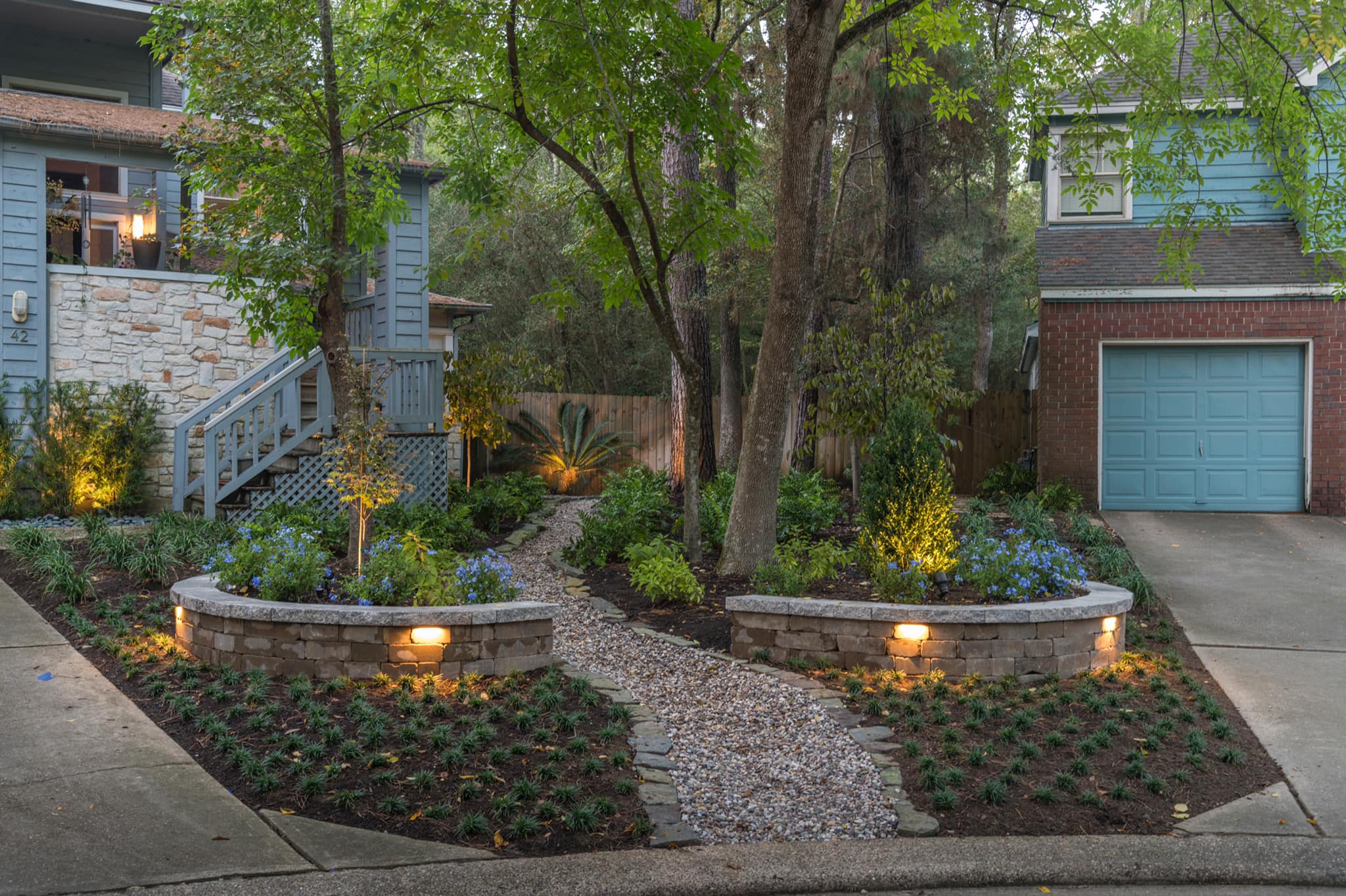
Incorporating permeable paving in your garden is an effective way to manage stormwater and reduce runoff. Materials such as gravel, porous concrete, or paving stones allow water to filter through the surfaces, recharging local groundwater supplies and minimizing erosion. These materials not only support environmental sustainability but can also add textural interest to your outdoor design.
Selecting recycled materials for hardscape solutions can significantly lessen environmental impact. Opt for paving stones made from recycled concrete, or consider reclaimed brick for a rustic, charming look. Recycled materials give construction waste a second life, reducing landfill contributions and supporting a circular economy. These materials are not only environmentally friendly but also bring unique aesthetic qualities to your hardscape design.
The choice of plants also plays a vital role in designing an eco-friendly garden. Native and drought-resistant plants require less water and are generally more resilient to local pests and diseases. When combined with efficient irrigation systems such as drip lines or soaker hoses, you can virtually eliminate water waste. This strategy ensures that your garden remains lush and green while preserving precious water resources.
Utilizing natural elements such as rocks, logs, and plants in their natural formations can enhance the organic beauty and sustainability of your garden. Natural materials provide habitats for local wildlife and promote biodiversity, which is essential for a healthy ecosystem. They also seamlessly blend with the landscape, offering a timeless aesthetic that evolves with the garden.
Lighting is another crucial element in hardscape design. Opt for solar-powered lights to illuminate your pathways and highlight key features of your garden. Solar lights reduce electricity use and contribute to the overall sustainability of your outdoor space, making them both energy-efficient and cost-effective.
In conclusion, sustainable hardscape design is an art that harmonizes environmental responsibility with elegance and functionality. By carefully selecting materials, using native vegetation, and integrating water-conserving technologies, you can create a beautiful garden that reflects your commitment to eco-friendly living. At Atlas Land Design, we believe that your garden can be a sanctuary that not only provides aesthetic pleasure but also supports a healthier planet for future generations. Let us guide you on this journey toward creating an outdoor space that embodies sustainable elegance.