Sun, Shade, and Soil: Adapting Your Garden to Different Environments Nov 28, 2025
Start by understanding the unique aspects of your landscape. The first element to consider is sunlight exposure. Certain plants such as roses and sunflowers thrive in full sun, receiving at least six hours of direct sunlight per day. These plants are perfect for south-facing gardens that bask in sunlight and are prime candidates for areas with ample, consistent light exposure. In contrast, many ferns, hostas, and impatiens flourish in shaded areas, ideal for locations under trees or alongside buildings that block much of the sunlight.
Next, evaluate your soil type as it is crucial for garden success. Soil quality can vastly differ from one section of your garden to another. Loamy soil, which is a balanced mixture of sand, silt, and clay, is ideal for most plants due to its excellent drainage and nutrient retention. However, clay-heavy soils, while nutrient-rich, can lead to waterlogging, impacting plant health. Conversely, sandy soils drain too quickly but can be improved by incorporating organic matter to enhance water retention.
Understanding the microclimates in your landscape can further aid your gardening strategy. Microclimates are small areas where the climate is different from the surrounding area. These variations can occur because of natural obstructions like buildings or greenery, influencing temperature, moisture, and wind patterns. By exploiting these conditions, you can plant more delicate species that might not thrive under the prevailing climate conditions of your area.
To cater to differing environmental needs, group plants with similar sunlight and water requirements together. This not only simplifies maintenance but also prevents over or under-watering issues. For instance, drought-resistant plants such as lavender or succulents paired with well-draining soil thrive in sunny, dry spots. On the other hand, moisture-loving plants like astilbe and silver birch do well in shadier, damper sections of your garden.
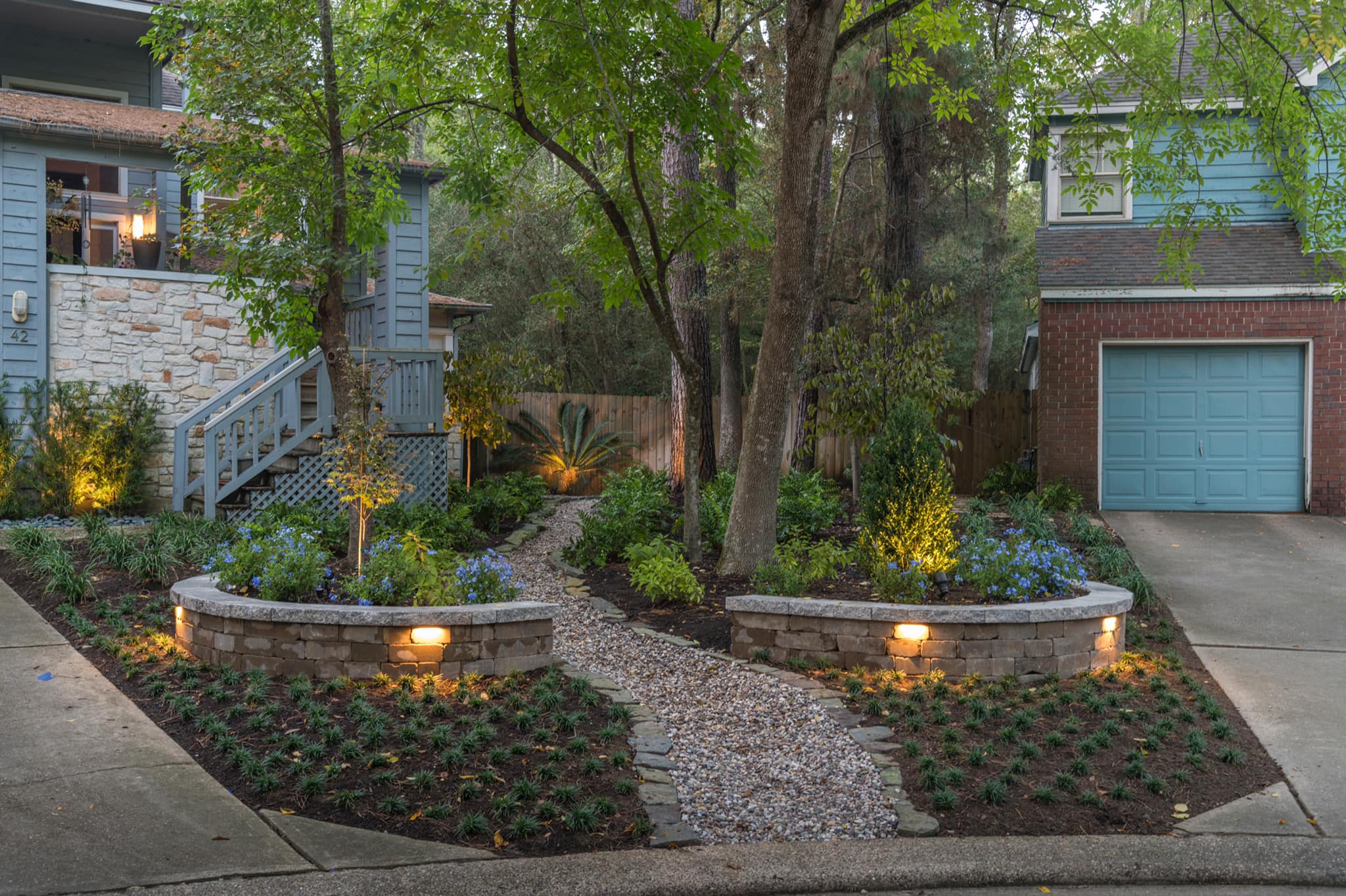
Hardscaping elements also play a crucial role in garden adaptation. Stone paths, retaining walls, and raised beds can be utilized not just for aesthetic appeal but also to modify plant environments. Raised beds can improve drainage and are beneficial for clay soils, while retaining walls can help create level planting areas on a slope, enhancing the usability of hilly terrains.
In conclusion, effectively adapting your garden to different environments is about observing and understanding the conditions of your landscape and selecting plants and materials that complement those conditions. By focusing on sun, shade, and soil, you can craft a beautiful, functional garden that thrives year-round. Leveraging the expertise of professionals like those at Atlas Land Design can ensure that your vision is met with practical, sustainable solutions tailored specifically to your landscape needs. With thoughtful design and strategic maintenance, your garden can become a thriving ecosystem, a place of beauty and tranquility that reflects both diversity and harmony with the natural world around it.