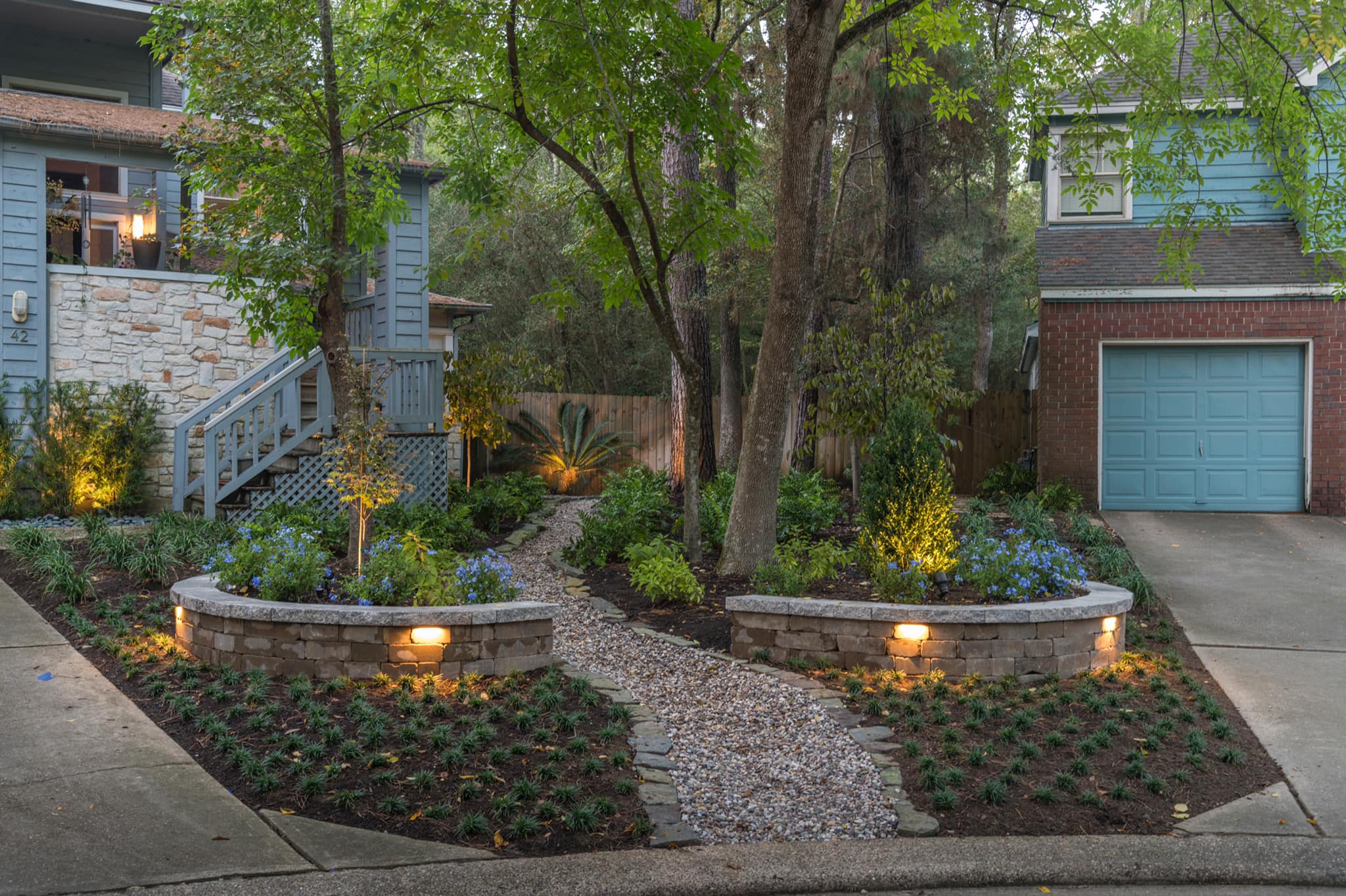
Seasonal Transitions: Preparing Your Garden for Year-Round Beauty Mar 09, 2026
As the seasons change, so do the needs of your garden. The first step in preparing for these transitions is evaluating your current landscape. Take a walk around your garden and note any plants that appear stressed or overcrowded. Identifying these issues early allows you to make necessary adjustments before the next season arrives. This evaluation is essential for strategic plant placement and helps in deciding which plants need to be divided, relocated, or perhaps removed entirely.
Once you have assessed your garden, it's time to focus on soil health. Healthy soil is the foundation of a thriving garden and contributes to successful seasonal transitions. Fall is an excellent time to amend your soil with organic matter such as compost or well-rotted manure. These natural amendments improve soil structure, enhance nutrient availability, and encourage robust plant growth. Consider conducting a soil test to determine pH levels and nutrient deficiencies, allowing you to tailor your soil treatments accordingly.
Planting seasonal flowers and foliage is another vital step in preparing your garden for year-round beauty. Choose hardy plants that can withstand temperature fluctuations and provide vibrant color throughout different seasons. For example, planting spring bulbs in the fall will ensure early blooms as the winter frost recedes. Similarly, integrating evergreen shrubs or winter annuals in your landscape design provides structure and color during the colder months.
Mulching is a key practice that benefits your garden across all seasons. A good layer of mulch helps maintain soil moisture, suppress weeds, and offers protection to plant roots from extreme temperature changes. In winter, mulch acts as an insulator, safeguarding roots from the cold and, in summer, it keeps the soil cooler and retains moisture. Applying a fresh layer of mulch each season will keep your garden looking tidy and thriving.
Water management is crucial for a healthy landscape, particularly during seasonal transitions. As temperatures drop, water requirements change. Reduce watering in late fall and winter to prevent waterlogged soil, which can lead to root rot. However, ensure that newly planted or delicate plants receive adequate moisture, especially before the ground freezes. Installing a drip irrigation system can be a beneficial investment, delivering the right amount of water efficiently to your plants' root zones.
Finally, cleaning and maintenance are non-negotiable for a visually appealing and healthy garden. Remove dead plants, leaves, and debris that can harbor diseases and pests. Trim plants that need it, but be careful to avoid pruning too aggressively in the fall, as this can stress plants or encourage growth that doesn't withstand winter conditions.
By following these proactive measures, your garden will not only survive but thrive through every season. At Atlas Land Design, we advocate for sustainable practices that not only enhance the beauty of your garden but also its resilience. With thoughtful planning and care, your landscape can remain a haven of color and life all year round. Remember, preparation is key to enjoying an ever-evolving outdoor masterpiece.