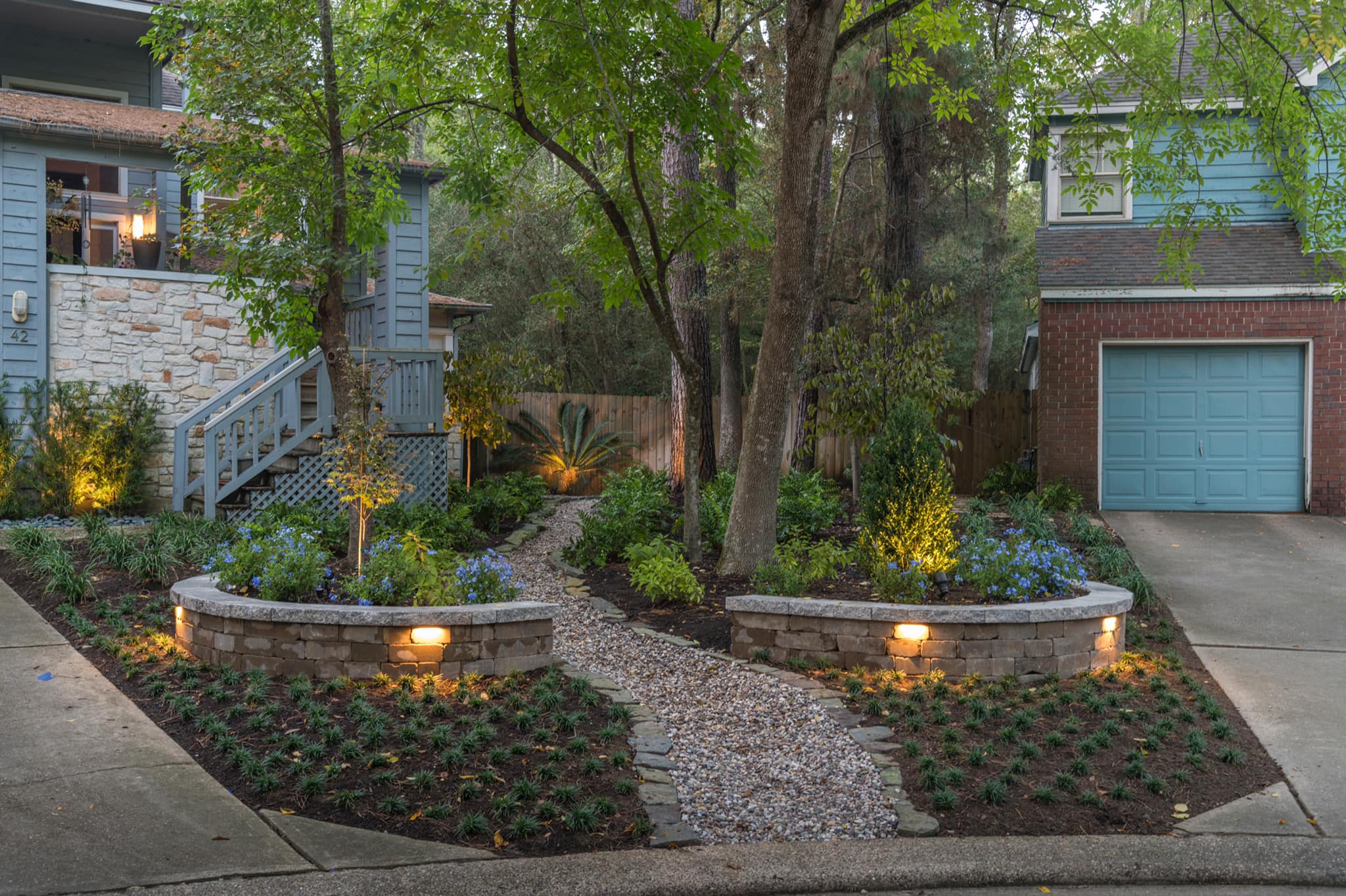
Rooted in Resilience: Designing Robust Landscapes for Environmental Change Apr 23, 2026
When designing a resilient landscape, thoughtful planning is key. The process begins by assessing the current environmental challenges your property faces. Factors such as fluctuating temperatures, unpredictable rainfall, and soil erosion are all important considerations. Atlas Land Design incorporates this assessment into every project to ensure that the landscapes we create can adapt to these changing conditions.
One of the most effective strategies in building robust landscapes is to utilize native plants. Native plants are specifically adapted to the local climate and soil conditions, making them inherently more resilient to environmental changes. They require less water, are more resistant to pests, and provide a natural habitat for local wildlife. By incorporating native plants into your landscape, you promote biodiversity and reduce maintenance needs.
In addition to native plants, creating a drought-resistant garden is an essential component of a resilient landscape. With increasing water scarcity, choosing plants that thrive with minimal water is both environmentally responsible and cost-effective. Xeriscaping, a landscaping method that emphasizes water efficiency, involves selecting plants that require little to no irrigation. By utilizing efficient irrigation systems and mulching, water usage is minimized while still maintaining a lush and vibrant garden.
Another important consideration in landscape design is soil health. Healthy soil is the backbone of any successful garden. Atlas Land Design focuses on improving soil structure through the addition of organic matter and the use of soil amendments. This not only improves water retention but also enhances nutrient availability for plants. Healthy soil contributes to stronger plants that can withstand both drought and heavy rain.
Furthermore, our approach incorporates green infrastructure solutions such as rain gardens and permeable pavements. These features manage stormwater effectively, reducing runoff and the risk of flooding. By allowing rainwater to naturally infiltrate the ground, they replenish groundwater supplies and support plant growth.
Clients often overlook the role of technology in modern landscaping. However, integrating smart technology can significantly enhance landscape resilience. Smart irrigation controllers, for instance, adjust watering schedules based on weather conditions and soil moisture levels, ensuring optimal water use. Similarly, weather-resistant materials for outdoor structures can extend the life of garden features, making them more sustainable in the long run.
The designs at Atlas Land Design are created with resilience in mind, focusing not only on the aesthetic appeal but also on the long-term sustainability of each project. By addressing environmental challenges proactively, our landscapes contribute to a healthier ecosystem and provide lasting beauty for years to come.
In conclusion, building a resilient landscape is a comprehensive approach that combines thoughtful planning, the right plant choices, sustainable practices, and advanced technology. Atlas Land Design is committed to crafting landscapes that are not only appealing but also fortified to endure environmental changes. Whether you're looking to redesign your current space or embark on a new project, consider a landscape that is deeply rooted in resilience to ensure its health and vitality in an ever-changing world.