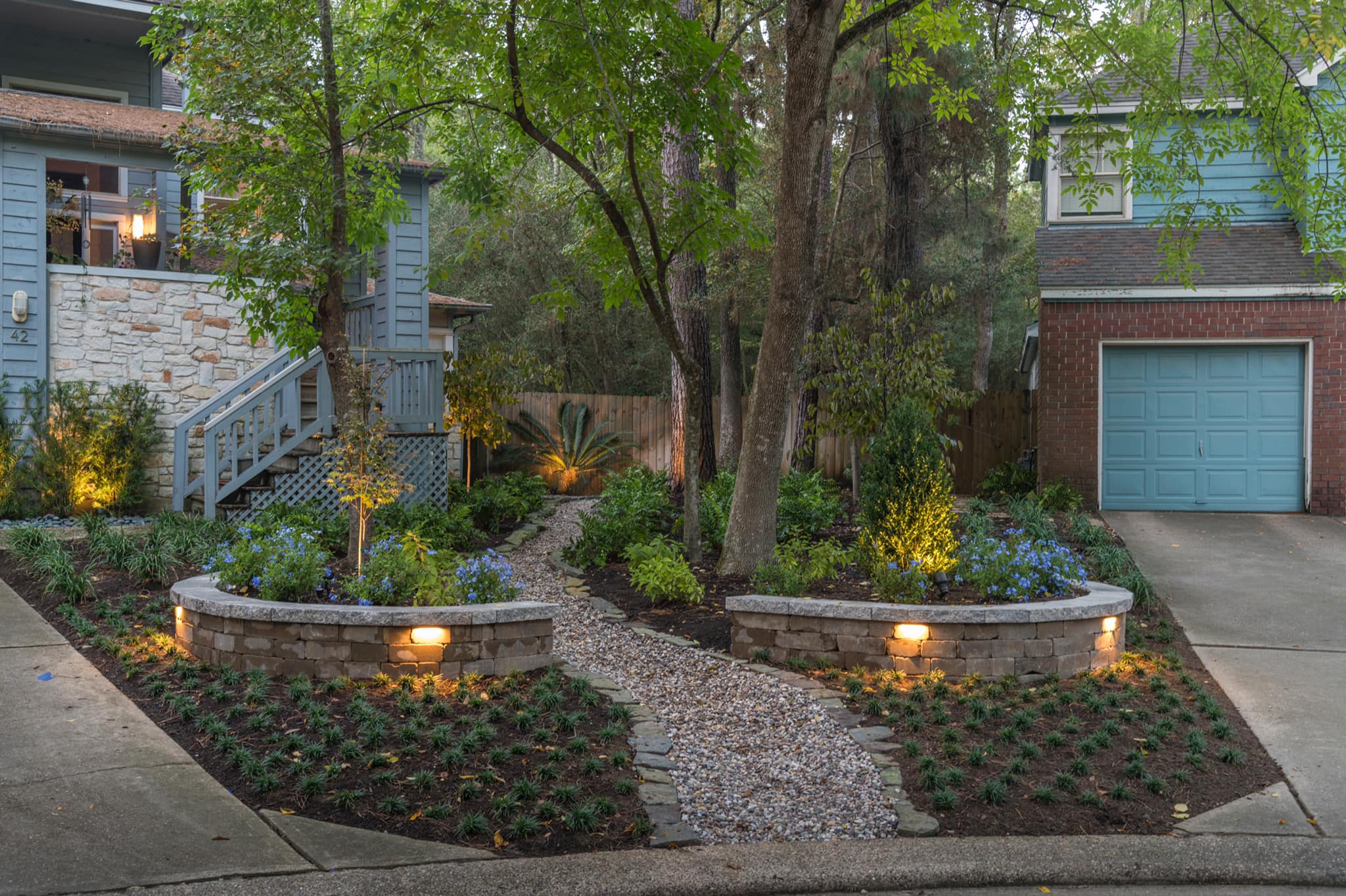
Pollinator Paradises: Designing Gardens that Attract Beneficial Bees and Butterflies Jul 07, 2026
Pollinators, particularly bees and butterflies, play a crucial role in the health of our environment by helping plants reproduce. Designing a garden that attracts these creatures requires a thoughtful combination of plants, layout, and maintenance practices that align with their needs. Here’s a comprehensive guide on how to create your own pollinator paradise.
Selecting the Right Plants
A pollinator-friendly garden starts with choosing the right plants. Native plants are the most beneficial, as they are adapted to the local climate and soil, making them easier to maintain and more inviting to local wildlife. Flowers that bloom at different times of the year ensure that nectar is available throughout the seasons, which is vital for the survival of both bees and butterflies.
Consider including a variety of flowering plants such as coneflowers, bee balm, lavender, and goldenrod. For butterflies, milkweed is particularly essential as it provides a breeding ground for monarchs. Not only do these choices cater to pollinators, but they also add vibrant color and texture to your garden.
Creating a Diverse Habitat
Beyond plant selection, creating horizontal and vertical diversity in your garden can appeal to different types of pollinators. Incorporate plants of varying heights and structures to provide shelter and nesting sites. Stone piles, patches of bare soil, and old log stumps can serve as additional habitats.
Water is another critical element. Integrating a small water feature or a shallow dish with stones can offer essential hydration and a resting spot for pollinators. Keeping the water clean and fresh will keep the pollinators coming back.
Avoiding Chemicals
One of the biggest threats to pollinators is the use of pesticides and herbicides. These chemicals can be harmful and even lethal, discouraging bees and butterflies from entering your garden. Instead, adopt organic gardening practices. Introduce beneficial insects that naturally control pests, and use natural compost to enrich soil fertility. This organic approach will create a healthier and more sustainable environment for your garden's visitors.
Regular Garden Maintenance
Maintaining a pollinator-friendly garden involves regular but minimal upkeep. Allow a portion of your garden to remain untamed, providing a refuge for pollinators. Natural, unkempt areas can offer food, shelter, and nesting materials. When pruning or mowing, be mindful of areas where pollinators are active. Conduct these tasks during times of the day when pollinators are less active, such as early morning or late afternoon.
Attracting pollinators effectively enhances the beauty and productivity of your garden. By following these thoughtful strategies, you not only create a vibrant environment alive with activity but also contribute meaningfully to ecological preservation.
At Atlas Land Design, we are committed to transforming your gardening space into a flourishing sanctuary for pollinators. By collaborating with us, you can ensure your garden design supports these vital creatures while offering you a serene, beautiful outdoor area. Discover how thoughtful landscaping practices can benefit both you and the local ecosystem, creating a harmonious and sustainable living space. Join us in cultivating a healthier planet, one garden at a time.