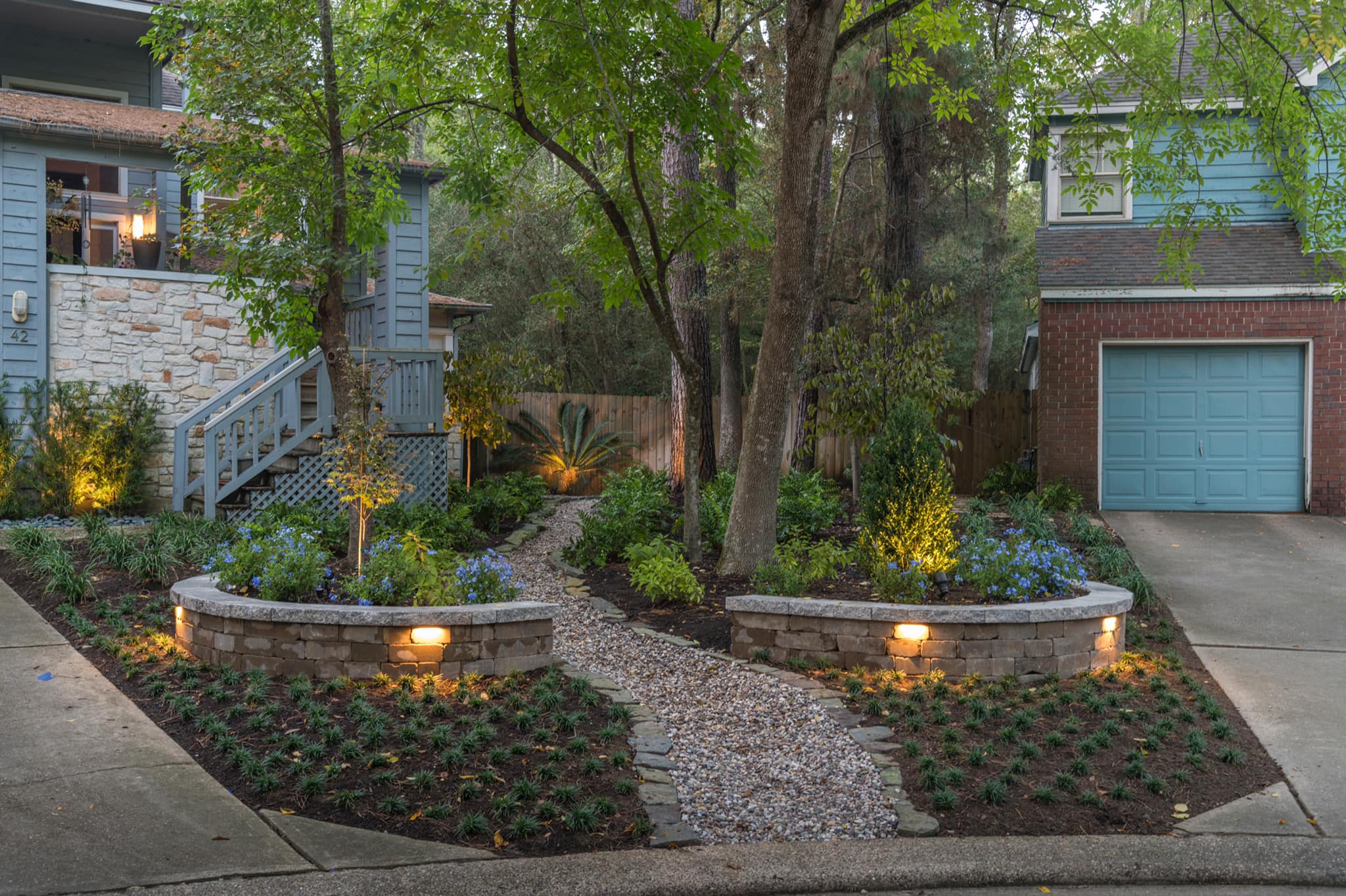
Pollinator Paradises: Designing Gardens That Attract and Sustain Wildlife Apr 20, 2026
Before diving into the design aspects, it's essential to understand the role pollinators play. They are vital for plant reproduction, aiding in the production of fruits, seeds, and plant proliferation. Unfortunately, due to habitat loss, pollution, and pesticides, many pollinator populations are declining. Designing gardens that attract and sustain these creatures is not only beneficial for your garden's health but also contributes to broader conservation efforts.
The first step in establishing a pollinator paradise is choosing the right plants. Native plants are the cornerstone of any wildlife-friendly garden. They are adapted to the local climate and soil conditions and require less maintenance. More importantly, native plants have evolved alongside native pollinators, making them essential sources of food and habitat. Consider planting a variety of species that bloom at different times throughout the year. This ensures a consistent supply of nectar and pollen, supporting a diverse range of pollinators.
Incorporating a mix of flower shapes and colors will also increase your garden's attractiveness to different species. For instance, tubular flowers such as bee balm and honeysuckle cater to birds and long-tongued bees, while flat or open flowers like daisies and sunflowers are accessible to butterflies and short-tongued bees. Choose bright, vibrant colors that naturally attract these creatures—reds, yellows, and purples are particularly enticing.
Beyond plant selection, the overall design of your garden plays a crucial role in creating a welcoming environment. Cluster your plants in groups rather than scattering them. This allows pollinators to feed more efficiently. Ensure there are patches of sunlit areas, as many pollinators are cold-blooded and rely on sunlight to regulate their body temperature. Furthermore, adding water features such as birdbaths or shallow ponds can provide essential hydration and act as cooling stations.
It's also crucial to minimize the use of pesticides and chemicals in your garden. These substances can be harmful or even fatal to pollinators. Instead, opt for natural pest control solutions, and consider releasing beneficial insects like ladybugs and mantids to manage pest populations.
Building suitable habitats is another way to support wildlife in your garden. Birds and beneficial insects need places to take shelter and raise their young. You might include birdhouses, leave dead wood for bees to inhabit, or create small brush piles. These elements enhance the biodiversity of your garden, turning it into a self-sustaining ecosystem.
As we design these secluded havens, remember that patience is key. It may take a season or two before your garden becomes a bustling hub of activity. But rest assured, with proper planning and care, your backyard can flourish into a pollinator paradise—a testament to the vibrant interaction between human stewardship and nature.
In summary, designing a garden that attracts and sustains wildlife involves thoughtful plant selection, conscious landscaping choices, and a commitment to eco-friendly practices. At Atlas Land Design, our passion lies in helping you create these biodiverse sanctuaries, where every bloom, leaf, and stem plays a role in supporting the essential cycles of nature. Contact us today to learn how we can transform your outdoor spaces into thriving ecosystems that nurture both wildlife and the human spirit.