Pollination Paths: Integrating Bee-Friendly Trails into Garden Landscapes May 04, 2026
To begin with, consider the layout of your space. A well-thought-out garden doesn't just meet aesthetic goals; it also plays a crucial role in supporting local ecosystems. By introducing bee-friendly trails, you can create interconnected pollination paths that draw bees and ensure your plants receive the necessary pollination they need to flourish.
One of the most effective strategies is to plant a diverse array of native flowering plants. Native species are well adapted to your local climate and soil conditions, which makes them particularly resilient. Furthermore, they provide the best sources of nectar and pollen for local bee species. Aim for a mixture of blooms throughout the growing season, from early spring to late fall, ensuring a constant food source for bees. Think of plants like sunflowers, lavender, crocuses, and wild geraniums, which are all known to be bee attractants.
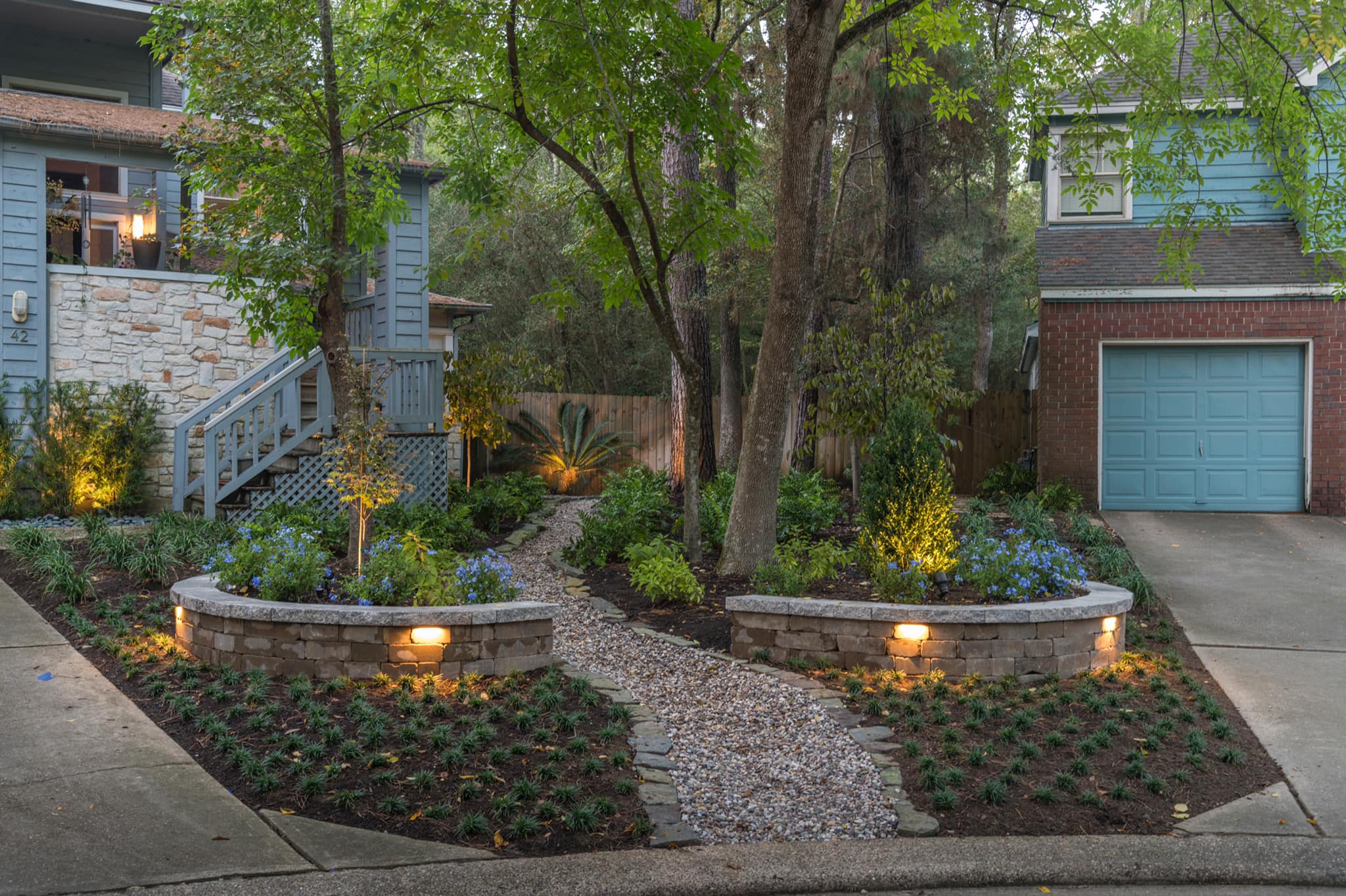
In addition to choosing the right plants, it's essential to focus on the arrangement of your garden paths. Winding trails lined with flowers not only look aesthetically pleasing but also guide bees easily through the garden. Creating staggered heights of plantings can add depth to the landscape and offer bees sheltered pathways against predators and wind.
Another pro tip is to integrate natural water features. Bees need water just like any other creature, and a small pond or birdbath with pebbles for safe landing can become an essential part of their habitat. These water features not only support the bees but also enhance your garden's visual appeal, creating a peaceful atmosphere.
For a more structured pollination path, consider installing bee hotels. These structures provide critical nesting sites for solitary bees, which are also effective pollinators. When placed strategically around your garden, they encourage bees to stay and thrive, further supporting the pollination of your plants. Moreover, sustainable garden maintenance is crucial. Avoid using pesticides or chemical fertilizers that can harm bees. Instead, opt for organic solutions that are safe for both the plants and the pollinators visiting them.
Finally, making your garden bee-friendly does not mean compromising on aesthetics. With careful design and thoughtful plant choices, your garden can be the envy of the neighborhood while serving a critical ecological function. At Atlas Land Design, we are committed to helping you achieve a balance of beauty and sustainability. By creating pollination paths in your garden landscape, you're not only enhancing the visual appeal of your space but are also contributing to the protection and proliferation of vital bee populations.
Bee-friendly garden designs offer significant rewards—not only for the environment but also for individuals and communities that enjoy the interplay of nature in their living spaces. Join us in making a difference, one garden at a time, while basking in the beauty of nature's most industrious pollinators at work.