Nature's Patterns: Harnessing Geometric Design for Harmonious Landscapes Feb 21, 2026
Geometric patterns are prevalent in nature, from the spirals of a seashell to the hexagons in a honeycomb. These patterns can be seamlessly integrated into your landscape design to create an inviting and aesthetically pleasing outdoor space. Understanding the principles of geometric design can help you make informed decisions that enhance the beauty and functionality of your landscape.
One of the primary benefits of using geometric patterns in landscaping is their ability to establish structure and order. This can be particularly beneficial in larger gardens where distinct zones need to be created to guide the viewer's eye through the space. By utilizing geometric shapes such as circles, squares, and rectangles, you can create a cohesive flow that unifies various elements of your garden.
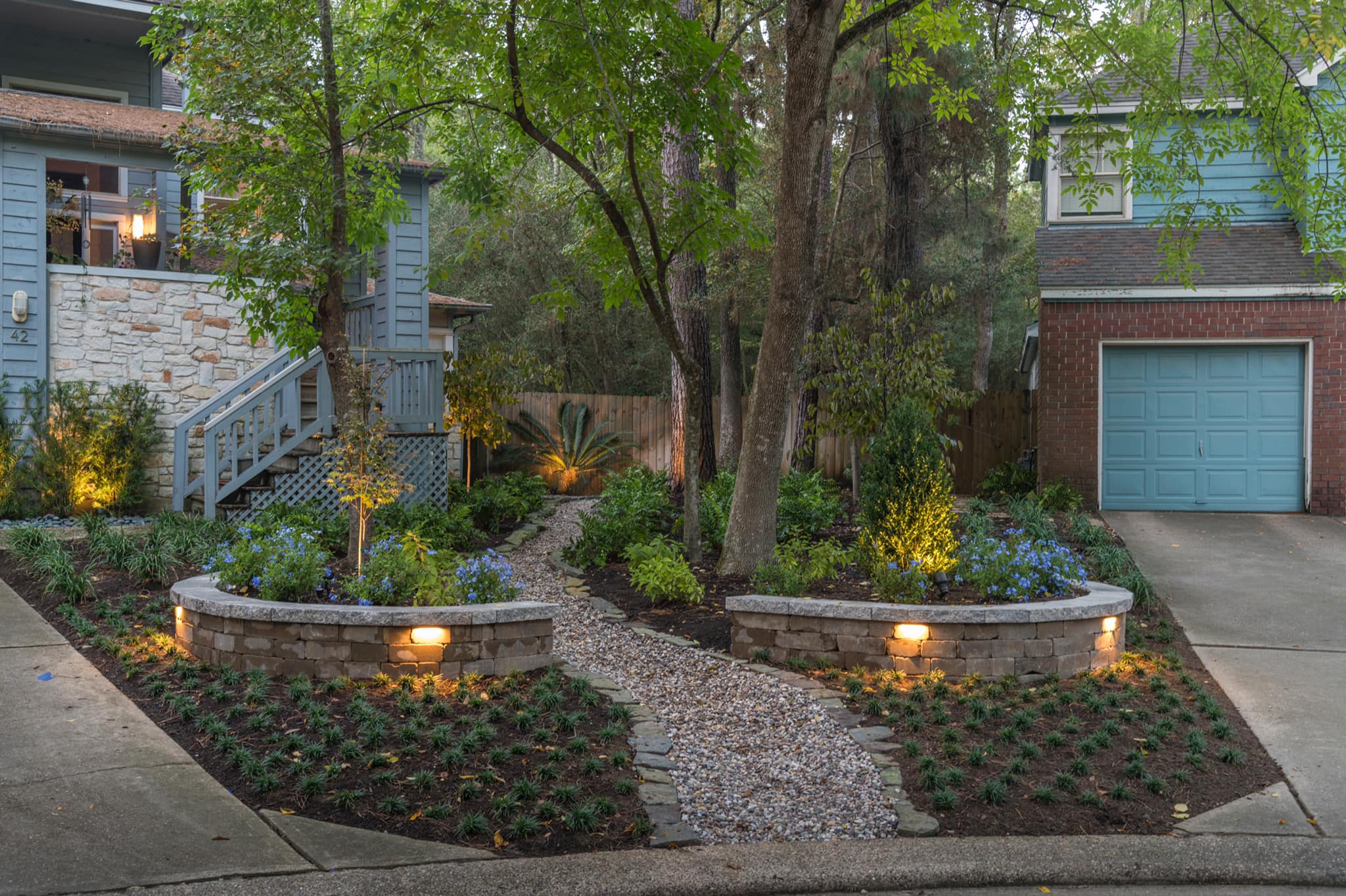
The integration of geometric patterns is not limited to the layout of the land. Hardscaping elements such as pathways, patios, and retaining walls can also incorporate geometric designs. For instance, arranging pavers in a herringbone pattern can add visual interest and direct movement through the space. Similarly, circular patios or seating areas can serve as focal points, drawing attention and creating intimate settings for relaxation and entertainment.
In addition to their aesthetic appeal, geometric designs can also contribute to the functionality of your landscape. For example, a series of concentric circles can create an ideal setting for a dining area, providing equal visibility from all angles. Rectangular sections can delineate vegetable gardens or flower beds, making them more accessible for maintenance and increasing productivity.
Water features, such as fountains or ponds, offer another opportunity to incorporate geometric shapes. A rectangular reflecting pool can serve as a serene centerpiece, while a circular pond can mimic the form of a natural oasis. These features not only enhance the visual appeal but also contribute soothing sounds and the reflective qualities of water.
For those seeking to blend hardscaping with natural elements, consider how plantings can enhance geometric designs. Symmetrical plantings, such as hedges shaped into triangles or circles, can add structure and elegance. Select plant species that mirror the geometry of your design, such as rounded shrubs or tall, linear grasses, to reinforce the overall aesthetic.
As you envision your ideal landscape, remember that the use of geometric patterns should feel organic and not forced. Atlas Land Design encourages you to experiment with different shapes and arrangements, keeping in mind the natural flow and purpose of each area. Your landscape should be a reflection of your personal style while maintaining harmony with the surrounding environment.
Concluding, geometric design in landscaping is not merely about imposing shapes onto nature, but rather, enhancing the inherent beauty of your outdoor space. By thoughtfully integrating these elements, you can create a landscape that is not only beautiful and functional but also timeless in its appeal. Let Atlas Land Design guide you on this journey to achieve a harmonious landscape that resonates with the patterns of nature.