Nature's Nurture: Designing Spaces that Foster Biodiversity and Wildlife Dec 23, 2025
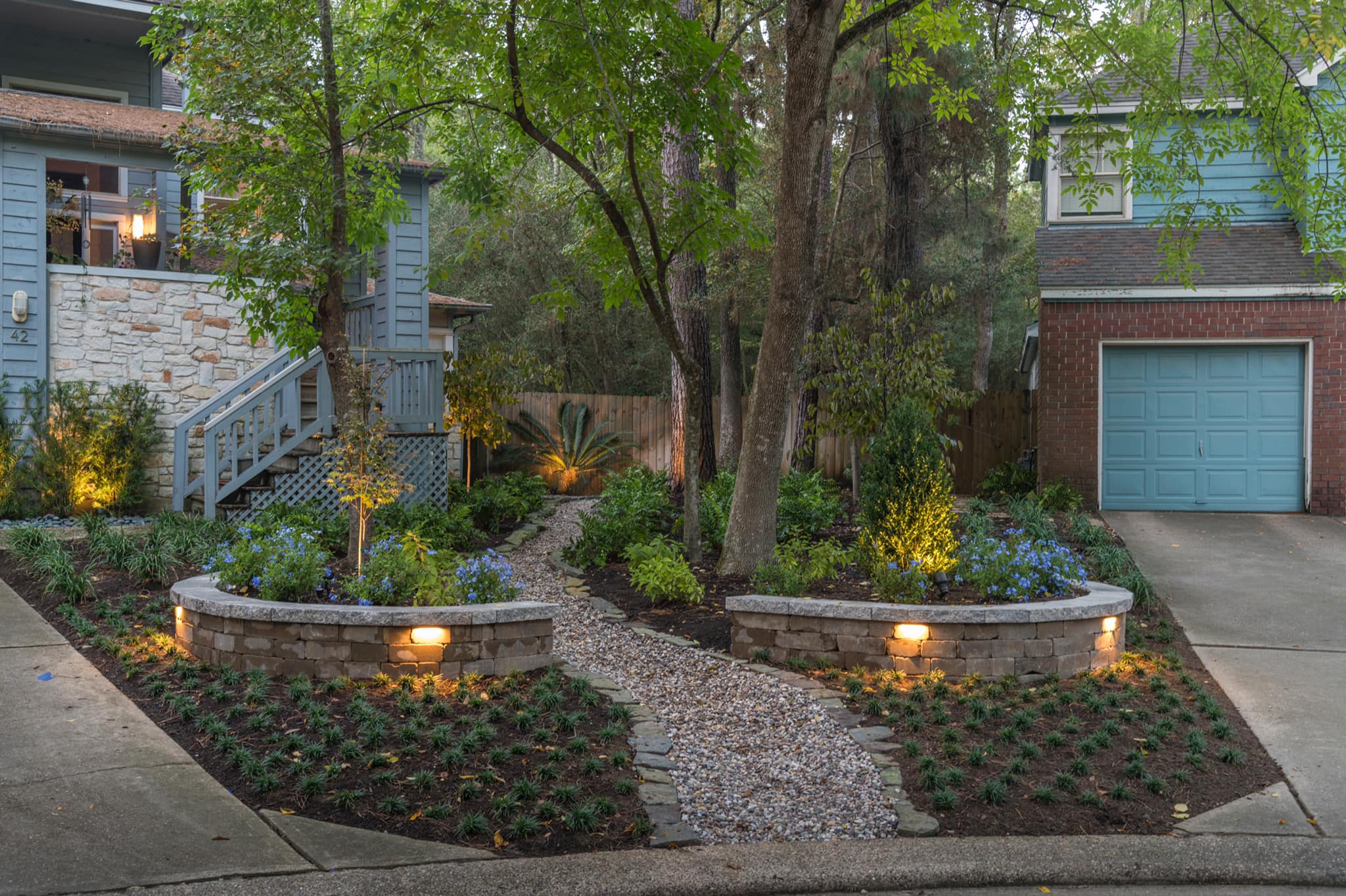
The journey starts with understanding the integration of natural elements into designed spaces. The goal is not merely aesthetic but holistic, ensuring that every plant, stone, or water feature contributes to a thriving environment. The foundation of such a landscape involves selecting native plants. Native flora is adapted to the local climate and soil conditions, which helps support the local wildlife. They require less maintenance and watering, making them eco-friendly and practical choices for any garden. Birds, bees, and butterflies find refuge in native plants, thus sustaining a healthy food web.
Another cornerstone of wildlife-friendly landscaping is creating habitats. This can be achieved by incorporating a variety of plants, hedges, and shrubs at different heights and textures. Such diversity offers shelter and food resources for different species. For instance, using native shrubs and trees like mulberry or dogwood provides both housing and feeding grounds for numerous bird species. Rock piles or loosely managed areas in a yard can offer hiding spots and homes for small mammals and reptiles.
Water features are more than just aesthetic elements; they are lifelines for many creatures. Ponds, birdbaths, and even small fountains can attract birds and insects, while promoting biodiversity. Installing a pond with gradual slopes allows amphibians to find sanctuary from land to water effortlessly. Including plants like water lilies can create habitat zones for aquatic life and maintain a balanced ecosystem.
The role of landscaping extends beyond visual appeal; it can be engineered to reduce carbon footprints and promote wildlife corridors. Paths and green roofs that allow for movement and nesting of species contribute significantly to these aims. Atlas Land Design emphasizes the importance of connectivity, ensuring that landscaped spaces interact with surrounding natural hubs to encourage species migration and interaction.
One often overlooked feature that can foster biodiversity is the use of organic materials. Implementing organic mulch, avoiding synthetic fertilizers and pesticides, and opting for composting practices all serve the dual purpose of enhancing soil health and protecting wildlife. These practices result in healthier plants and reduce harmful runoff into waterways, furthering the commitment to sustainable landscaping.
At Atlas Land Design, fostering biodiversity is not merely a trend, but a commitment to the environment. Creating sustainable landscapes is about finding that harmony between comfort and conservation. By embracing these principles of biodiversity-friendly design, homeowners do much more than just beautify their surroundings; they become caretakers of their local ecosystem, helping to ensure its vitality for years to come.
As the importance of ecological design becomes increasingly clear, Atlas Land Design stands ready to guide homeowners in making choices that positively impact the environment. With a blend of innovation and respect for nature, designing spaces that nurture wildlife is no longer just an ideal; it is a tangible and accessible reality. Embrace this opportunity to transform your landscape into a vibrant hub of life, supporting not just your well-being, but that of countless species that call your surroundings home.