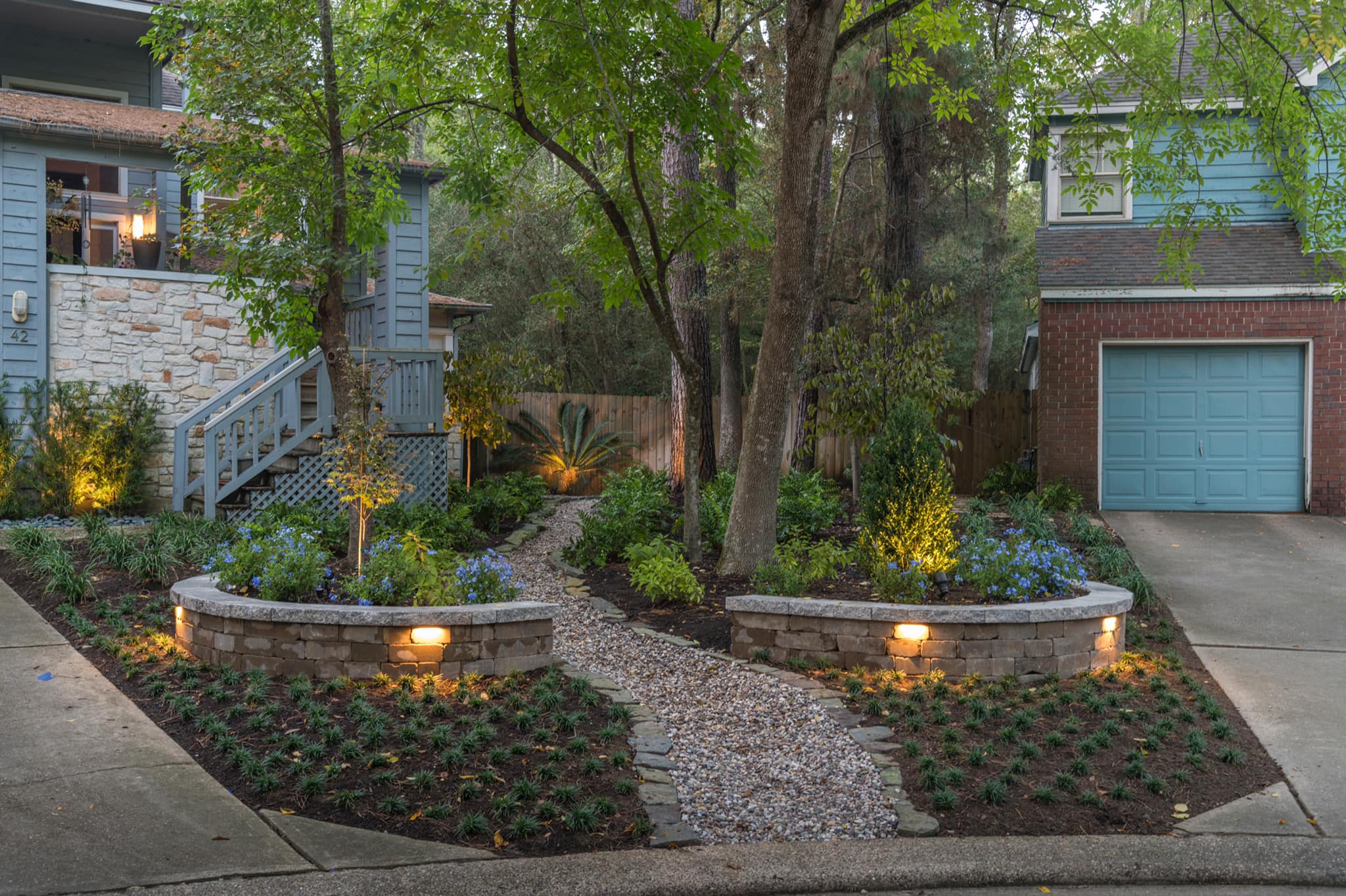
Nature’s Blueprint: Designing Biodiverse Gardens for Urban Settings Mar 29, 2026
Creating a biodiverse garden in an urban environment starts with understanding the unique challenges and opportunities these settings provide. The compact nature of city spaces means that every square foot counts. Therefore, strategic planning is essential. The first step in designing an urban garden is an analysis of the space available. Understanding sun exposure, soil quality, and local microclimates will help in making informed decisions about which plants will thrive.
Selecting plants native to the region is a cornerstone of biodiversity. Native plants offer numerous benefits — they provide habitats for local wildlife, require less maintenance, and are more resistant to pests and diseases. For instance, incorporating a variety of plant species, from tall trees and shrubs to colorful perennials and ground covers, can create layers of habitats that support biodiversity.
Incorporating water elements like small ponds or bird baths can enhance the ecological value of a garden significantly. These features not only attract a range of creatures, but they also create a tranquil atmosphere conducive to relaxation and contemplation. In urban settings, where space might be limited, using containers and vertical gardening techniques can effectively bring in more greenery. Planting vines along walls or growing herbs in window boxes can add a lush feel without compromising on space.
Pollinators such as bees, butterflies, and birds play a crucial role in sustaining plant life. Designing a garden with these creatures in mind can increase biodiversity significantly. Planting wildflowers, fruit-bearing shrubs, and herbs that produce nectar can attract these pollinators, contributing to a thriving ecosystem right in your backyard. This not only supports the local environment but also ensures that the garden flourishes year-round.
Urban gardeners can also consider using sustainable practices to further enhance the environmental benefits of their gardens. Rainwater harvesting systems, composting, and the use of organic fertilizers minimize the ecological footprint of the garden and contribute to the health of the plants. Sustainability is a key consideration at Atlas Land Design, where we aim to create spaces that respect and nurture the natural world.
In conclusion, the creation of biodiverse gardens within urban settings is a powerful way to reconnect with nature. By understanding the space, selecting native plants, incorporating water features, and attracting pollinators through thoughtful planting, urban gardens can become vibrant ecosystems teeming with life. At Atlas Land Design, we are dedicated to helping you bring a slice of nature into your home with innovative, ecological designs tailored to your urban environment.
Whether you're looking to transform a rooftop, backyard, or small patio, biodiversity can be achieved with creativity and thoughtful planning. Our team at Atlas Land Design is here to guide you every step of the way, from initial planning to the blossoming of your own urban paradise. Urban spaces may be constrained, but when nature's blueprint is implemented thoughtfully, your garden can become a haven for both people and wildlife.