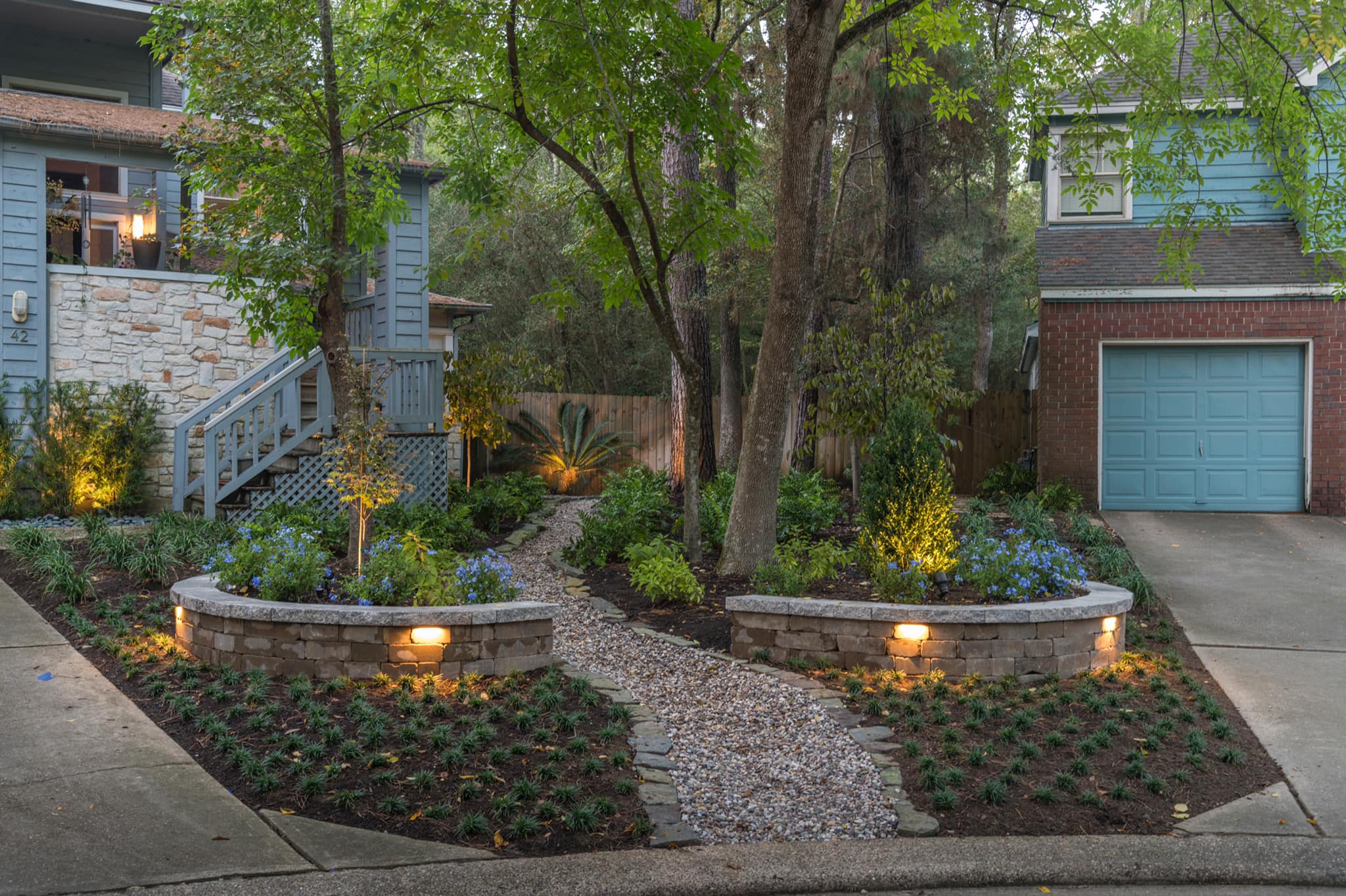
Natural Narratives: Using Storytelling in Landscape Design to Create Personal Groves Jul 13, 2026
The concept of storytelling in landscape design might sound abstract at first, but it's grounded in one key element: personal resonance. Just as a novel brings a fictional world to life through characters and plot, a well-designed landscape does so with plants, stone, and pathways, each element chosen for its ability to evoke specific memories or emotions. Imagine a landscape where every plant reminds you of childhood summers or a pathway that leads to a secluded spot, echoing the secret hideouts from your youth.
To begin crafting a storytelling landscape, start with introspection. Ask yourself, or those you're designing for, what personal elements should be reflected in the garden. These could be specific plants that carry sentimental value, elements inspired by cherished places, or designs that trigger fond memories. This personal connection is the foundation of a storytelling landscape—turning a mere collection of flora into a personal narrative, rich with meaning.
Consideration of spatial dynamics plays a pivotal role in developing these personal narratives. Just as chapters in a book guide the reader, pathways in a garden lead individuals through their own story. Complex and winding paths can create a sense of adventure or mystery, while straight and open paths might convey clarity and openness. Positioning elements, like benches or sculptures, at specific points can allow for moments of reflection within your personal grove, much like a pause for thought in a well-loved tale.
Color and texture are not merely aesthetic choices in this approach but become part of the sensory journey. Use vibrant colors strategically to evoke joy or relaxation. Textural contrasts between soft grasses and hard stone can mirror life's complexity, adding layers to your narrative. Seasonal changes should also be considered, crafting a dynamic story that evolves with time. The bloom of spring or the starkness of winter can alter the mood of your landscape, offering a fresh page with each season.
Creating a narrative landscape also extends beyond hard features; it invites wildlife and natural elements into the storyline. Encouraging biodiversity by planting native species can attract local fauna, adding a vibrant character to your space. Water elements, such as small ponds or flowing streams, introduce a soothing, rhythmic backdrop to your narrative, perhaps reminiscent of nature walks you cherished.
Finally, sustainability is an essential chapter in this natural narrative, ensuring that our stories resonate with the environment. It's not just about aesthetics; it’s about creating enduring legacies that can be cherished by generations. Implement sustainable practices, such as rainwater harvesting and the use of endemic plants, ensuring that your narrative not only speaks to the present but echoes into the future.
The magic of storytelling in landscape design lies in its ability to transform spaces into meaningful places. At Atlas Land Design, we believe every garden has a story to tell, and we are here to help you build yours. Whether it's a quiet corner or a grand expanse, your landscape can be the perfect canvas for your personal narrative, inviting others into your world, one carefully chosen plant, stone, and path at a time.