Modern Zen: Designing Minimalist Landscapes for Mindful Living Feb 09, 2026
Minimalist landscaping, inspired by Zen principles, focuses on simplicity and natural beauty. The essence of Zen is to strip away the unnecessary, leaving you with a sense of clarity and focus. Start your journey by assessing your existing landscape. Identify elements that do not serve a purpose or contribute to the overall aesthetic. This could mean fewer but high-impact features, like a path lined with smooth stones or a small reflecting pool that invoke peace and harmony.
When selecting plants for your minimalist landscape, choose species that are low-maintenance yet visually striking. Consider evergreens, bamboo, or ornamental grasses that offer year-round appeal and require minimal upkeep. Strategic use of greenery not only anchors the design but also softens the hardscape elements like stone paths and wooden decks. It's essential to maintain a balance between hardscaping and landscaping to preserve the openness that characterizes Zen gardens.
Incorporating water features into your landscape is another way to enhance its Zen quality. A gently flowing water element, such as a small fountain or pond, adds a soothing auditory component to the space. The sound of moving water promotes relaxation and mindfulness, helping you detach from daily stress. When thinking about water features, consider their placement carefully—ideally, they should be a focal point yet blend seamlessly with the surrounding natural elements.
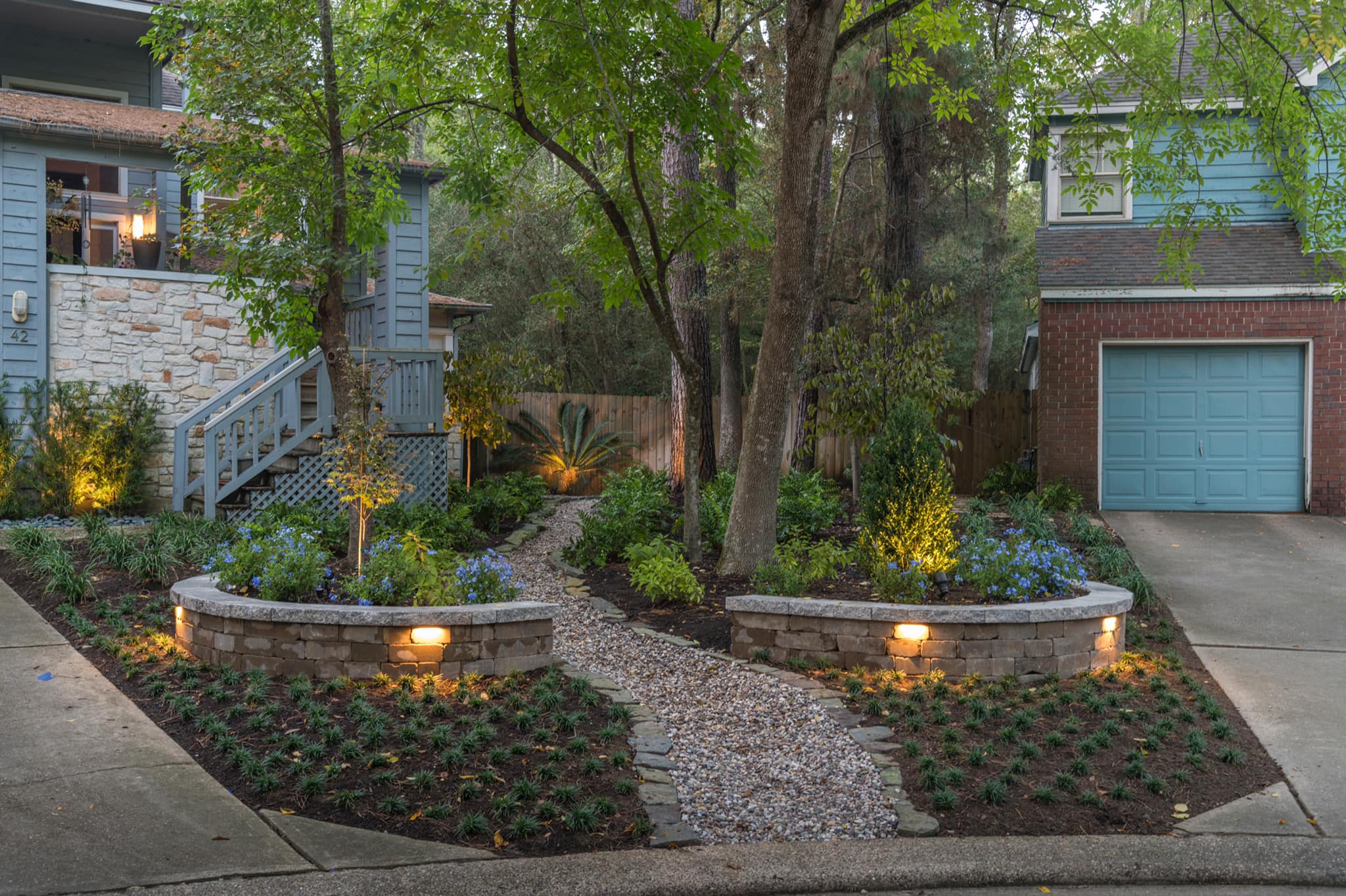
To achieve a cohesive minimalist design, choose hardscaping materials that offer both form and function. Natural stones, gravel, and wood are ideal for creating pathways and platforms that integrate with the landscape. These materials not only contribute to the minimalist aesthetic but are also durable and sustainable, ensuring that your Zen garden remains a lasting sanctuary.
Lighting plays a critical role in cultivating the mood of a landscape. Opt for understated, strategic lighting solutions that accentuate the beauty of your landscape without overpowering it. Low-lit pathways, uplighting for trees and focal points like sculptures, or lanterns on a subtle timer can instill a sense of calm and elegance throughout your garden.
Integrating mindfulness into your landscape design translates to creating spaces for reflection and meditation. Consider installing a simple bench or a small pavilion where you can sit and connect with the tranquility of your surround. The goal is to create a harmonious space that encourages pause and introspection amidst a busy life.
Conclude by considering the long-term sustainability of your Zen garden. A minimalist landscape requires thoughtful planning but is usually easier to maintain once established. Regular trimming, weeding, and occasional replenishing of gravel or stones can keep your outdoor haven pristine.
At Atlas Land Design, our expertise in both landscaping and hardscaping ensures you get a sophisticated, serene garden that reflects your taste and promotes wellbeing. By prioritizing simplicity and mindfulness in your design choices, you not only create an attractive outdoor space but also foster an environment that nurtures peace and reflection, enriching your everyday life.