Lush Layers: Creating Depth and Texture in Your Garden with Diverse Plantings Feb 13, 2026
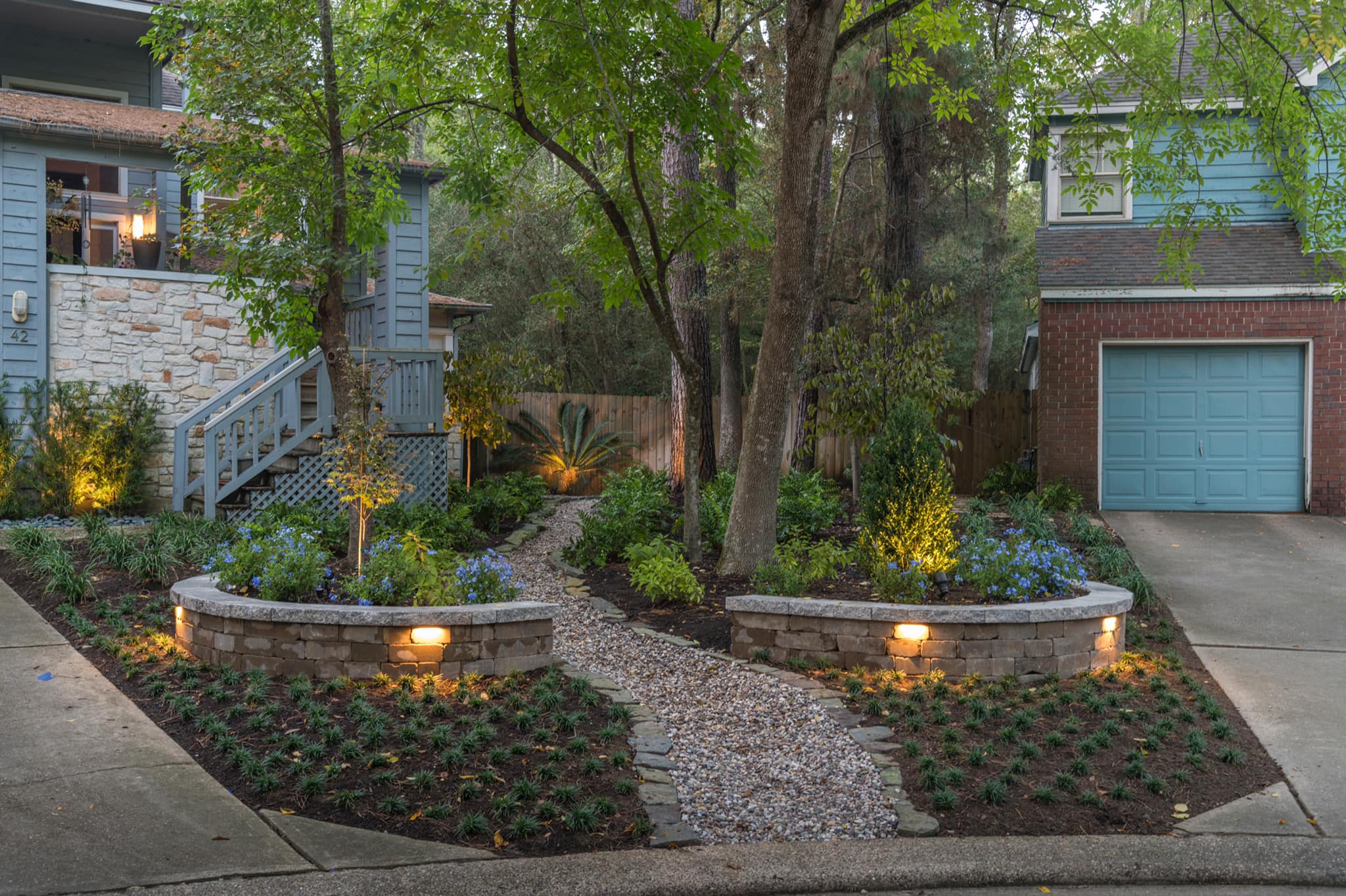
To begin, it's important to understand the elements of layering. Imagine your garden as a three-dimensional space rather than a flat canvas; this is where the magic of depth and texture lies. Start by considering the height of your plants. Use tall plants such as ornamental grasses or small trees as the backdrop. These serve as a natural screen, adding height and drama to your garden. Grass varieties like Miscanthus or the elegant Japanese Maple trees are ideal choices. They not only offer privacy but also create a dynamic contrast to the shorter layers of plants.
The middle layer is where you can play with shrubs and medium-sized plants that provide a rich tapestry of foliage and blossoms. Consider using flowering shrubs like hydrangeas or viburnums, both of which add bursts of color and seasonal interest. This layer bridges the height between ground covers and taller plants, offering a sense of fullness and balance.
Ground cover plants complete the bottom layer, effectively anchoring the garden design. Varieties such as creeping thyme or heucheras not only cover bare soil but can also suppress weeds, reduce soil erosion, and retain moisture. The dense nature of these plants helps weave together the different layers seamlessly, creating a cohesive garden look.
Texture in the garden extends beyond plant choice. Integrating hardscaping elements such as stone pathways, garden statues, or wooden benches can complement plant variety and add another dimension to your garden. At Atlas Land Design, we advise using natural materials that blend well with the plantings to create a harmonious and inviting environment.
To maintain a garden that's abundant in depth and texture, consider seasonal changes. Choose plants that offer varying chromatic and textural displays throughout the year. Evergreen plants like boxwood provide structure even in winter, while perennials such as lavender or echinacea keep the garden vibrant in summer months. This strategic plant selection ensures year-round interest and beauty.
Water features are another excellent way to add depth. The reflection of water can create the illusion of additional space and enhance the tranquility of your garden. Whether it's a small pond, a simple fountain, or a trickling stream, water elements attract wildlife, creating a lively atmosphere.
In conclusion, achieving lush layers and diverse plantings in your garden is a blend of art and science. By carefully selecting and arranging plants of various heights and textures, your garden can transform into a multi-sensory oasis that evolves with each season. At Atlas Land Design, our expertise is in bringing these elements together to create landscapes rich in texture, vibrant in color, and sustainable for the environment. The careful arrangement and thoughtful incorporation of diverse plantings not only result in a stunning display but also ensure a healthy, thriving ecosystem. Whether you're a seasoned gardener or just starting, remember that a well-layered garden is a testament to the beauty of nature's diversity.