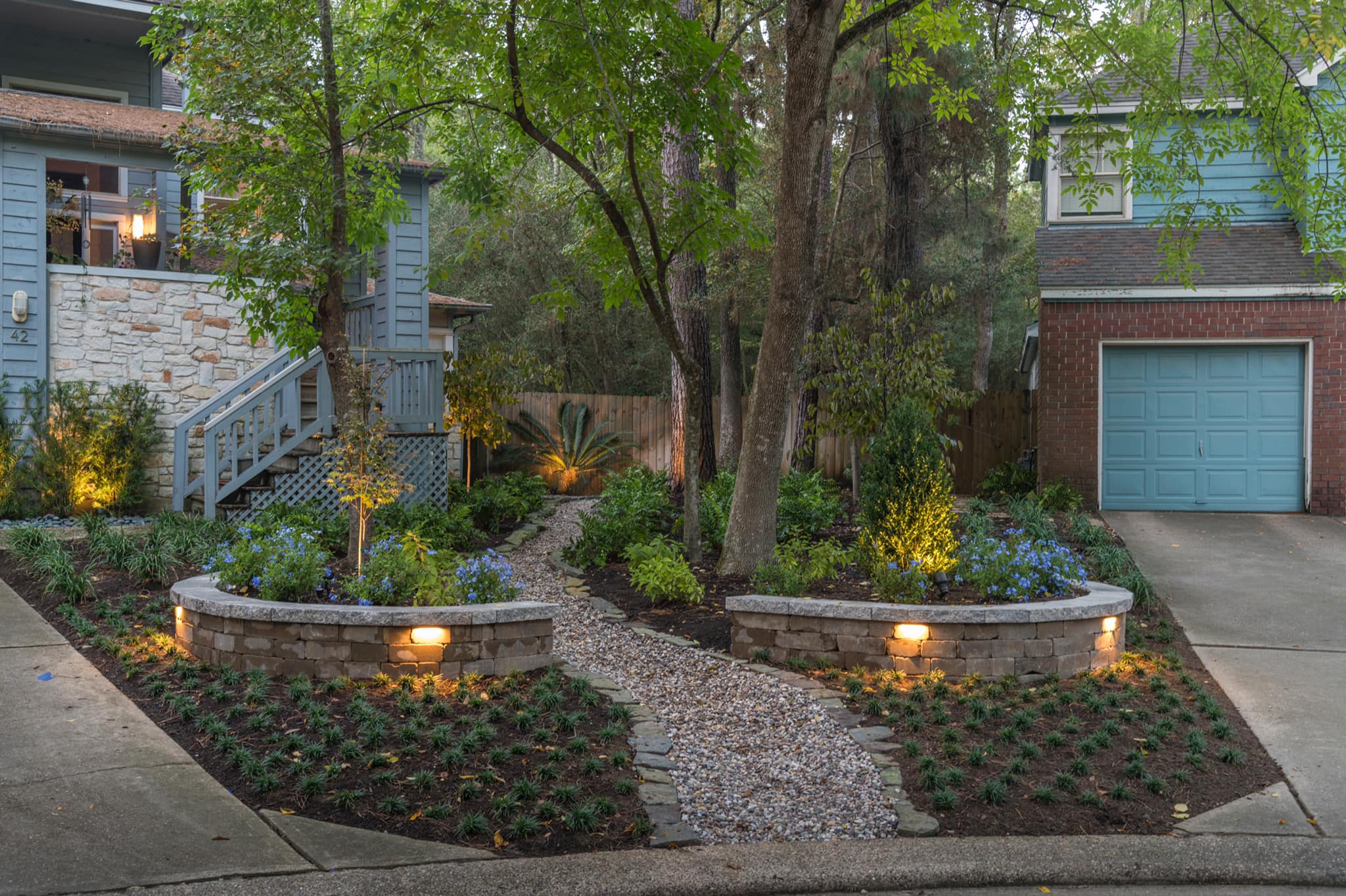
Kinetic Canopies: Incorporating Movement with Wind-Responsive Plants Jun 10, 2026
The allure of kinetic canopies lies in their ability to dance gracefully in the breeze, adding a sense of motion and life to your garden. Plants selected for their movement have leaves or branches that sway, shimmer, or rustle with even the slightest gust of wind, creating an engaging sensory experience. Not only do they bring aesthetic value, but they also support local ecosystems by attracting pollinators and providing habitat for various species.
To start incorporating wind-responsive plants into your landscape, it's essential to consider the climate and wind conditions of your location. Coastal regions with consistent breezes or elevated sites with unobstructed wind flow are ideal for kinetic gardens. In such environments, selecting the right plant species becomes crucial. Consider grasses such as switchgrass, feather reed grass, and Mexican feather grass, known for their delicate blades that sway beautifully in the wind. Their movement creates an enchanting visual and auditory experience, especially when they rustle softly during a gentle breeze.
Another excellent option for kinetic canopies is the use of certain tree species. For example, the aspen tree is renowned for its fluttering leaves that shimmer gracefully due to their unique flattened petioles. This constant motion can cast playful shadows and light patterns in your garden, adding depth and interest to the outdoor space. Similarly, the weeping willow offers cascading branches that sway dramatically, providing a natural spectacle of movement.
Shrubs like the butterfly bush also contribute to the kinetic appeal. Their flower-laden spikes not only quiver in the wind but also attract butterflies and bees, bringing additional life and vitality to your garden. Perennials such as the sedum and yarrow sway softly and can be strategically placed to enhance the dynamic effect further.
While selecting the right plant varieties is essential, proper placement and grouping can amplify the kinetic landscape's impact. Arrange plants in clusters to create diverse layers of movement and provide contrast in height and texture. This will not only enhance the visual effect but also ensure that each plant receives the right amount of wind to animate its natural movement.
At Atlas Land Design, we emphasize sustainability alongside aesthetics. Consider using native plants as your kinetic components, which are more likely to thrive in the local climate and support wildlife.
Incorporating kinetic canopies into your landscape design creates a captivating garden that resonates with the natural world. Whether it's a whispering grove of trees or a meadow of swaying grasses, these dynamic elements provide a constant reminder of nature's vitality while offering an immersive experience for everyone who enters your garden. Let our team at Atlas Land Design guide you in selecting the perfect wind-responsive plants to craft your personal oasis, where tranquility and movement exist in harmonious balance. Through thoughtful design and expert execution, your garden can transform into a living tapestry that enchants year-round.