Harmonious Heights: Strategies for Designing Multi-Tiered Outdoor Spaces Jan 01, 2026
To start, envisioning a multi-tiered landscape involves recognizing the natural contours and slopes of your property. A multi-tiered design works best when it collaborates with the existing terrain, creating a seamless flow between levels. When considering elevation changes, think of them as opportunities to introduce visual interest and practicality. Terracing not only enhances visual depth but also combats soil erosion, a crucial factor in sustainable landscaping.
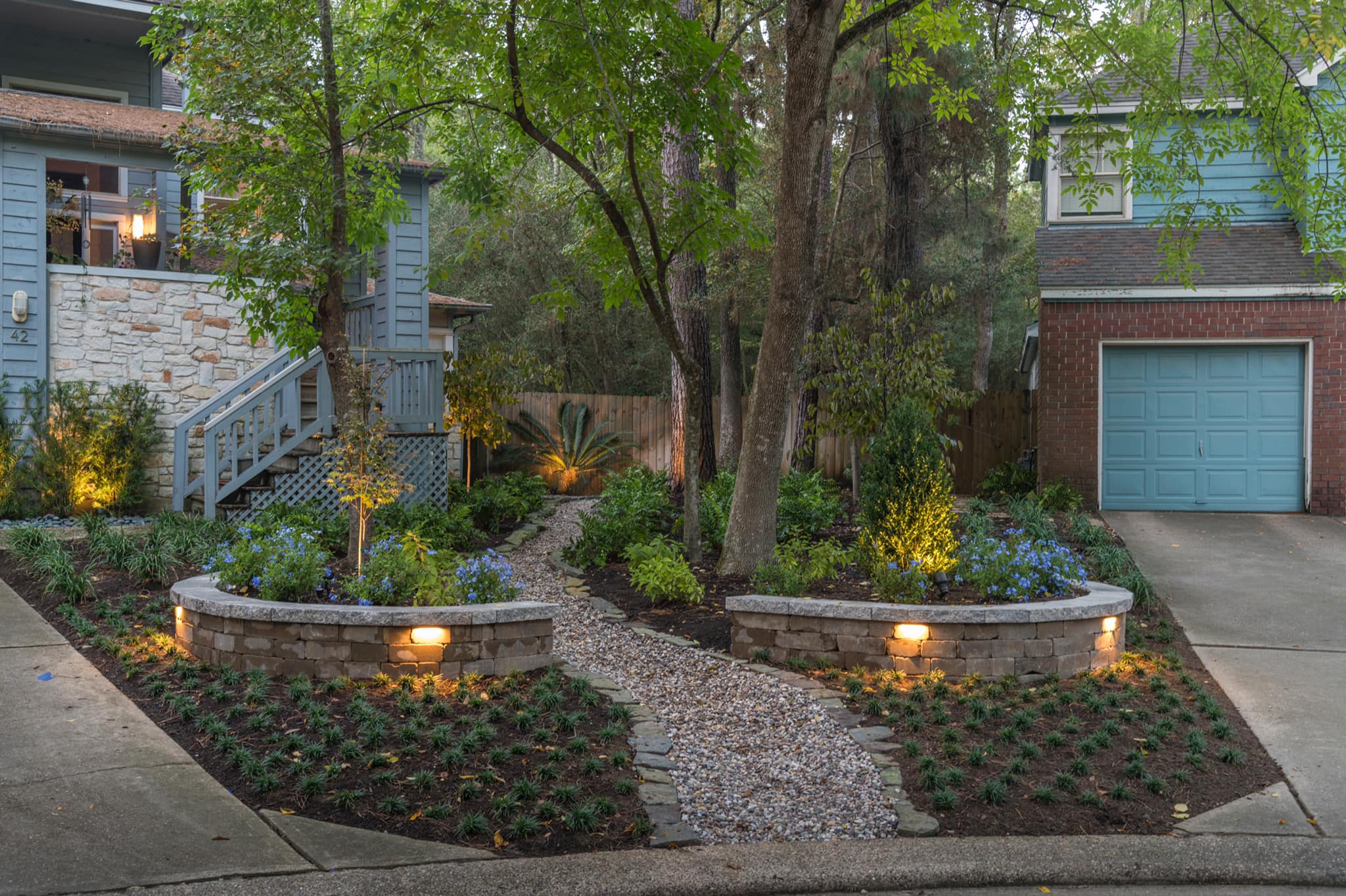
The heart of a successful multi-tiered design lies in strategic hardscaping. Hardscaping, which covers the use of stone, concrete, and wood structures, provides the backbone for your terraced garden. Consider integrating retaining walls built with natural stone or concrete blocks. These not only hold the soil in place but also double as striking design elements. Retaining walls, steps, and pathways form the structural identity of your outdoor space, inviting exploration and interaction.
Beyond structural components, incorporating lush landscaping breathes life into each tier. The choice of plants plays an integral role. Opt for native plants that suit local climate conditions for an eco-friendly and low-maintenance solution. Layering various plant heights and types can accentuate the differences between each level, while adding textural variation. Consider mixing perennial flowers, shrubs, and ornamental grasses to maintain interest throughout the seasons.
Functionality should steer the design process. Each tier can be designated with a purpose, whether it be a seating area, a small vegetable garden, or a play space for children. For instance, the uppermost tier might offer panoramic views, making it ideal for a seating area or outdoor dining setup. Mid-levels could serve as expansive gardens or play areas, while lower levels might transition into a soothing water feature or a contemplative space.
Incorporating lighting into your design enhances safety and extends the usability of the space into the evening hours. Landscape lighting can spotlight specific features, such as steps or garden beds, while also imbuing the area with an inviting ambiance. Solar-powered lights and LED fixtures not only reduce energy usage but also highlight the intricate details of your design when night falls.
While aesthetics and functionality are at the forefront, sustainability remains a key consideration. Implement water conservation techniques like drip irrigation systems, which efficiently water plants at root level, minimizing evaporation and runoff. Choosing permeable paving materials for paths can support natural water flow and prevent waterlogging.
In conclusion, designing multi-tiered outdoor spaces with Atlas Land Design involves a harmonious blend of structural integrity, lush plant life, and practical functionality. By embracing the natural topography and integrating diverse elements, your outdoor space will not only enhance your property’s beauty but also provide a serene retreat tailored to your lifestyle needs. With thoughtful planning and execution, multi-tiered landscapes can offer an idyllic extension of your home, bridging the gap between natural beauty and constructed elegance.