Harmonious Habitat: Integrating Wildlife Spaces into Modern Landscapes Mar 23, 2026
Incorporating wildlife habitats into your landscape design begins with understanding the needs of local wildlife. Birds, butterflies, and small mammals all have different requirements in terms of food, shelter, and water. By learning about these needs, you can tailor your landscape to attract a variety of species. For example, planting native flowers and shrubs can provide essential nectar and pollen for pollinators like bees and butterflies. Similarly, adding a variety of berry-producing plants can offer food sources for birds.
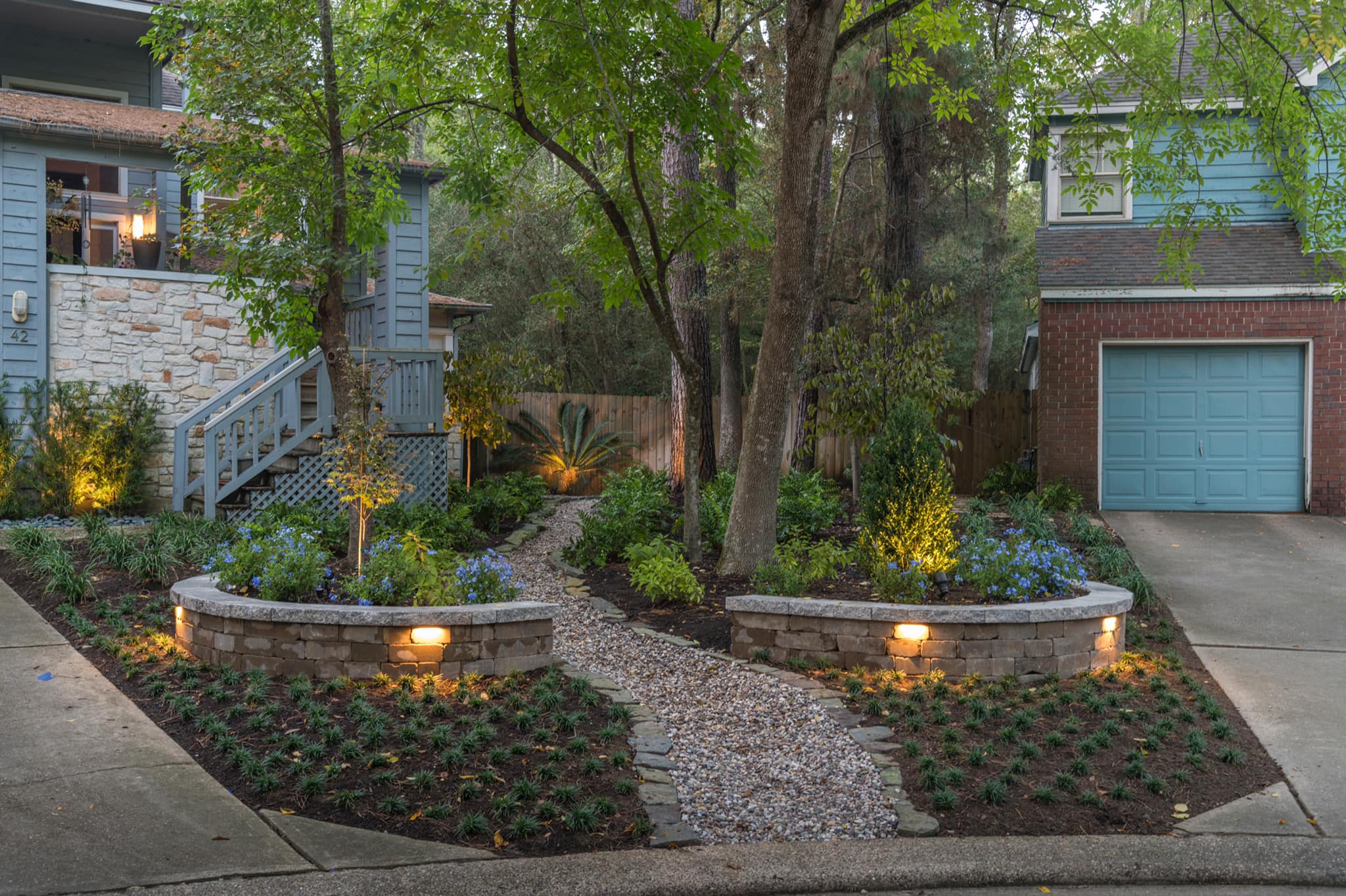
Creating natural habitats doesn’t mean relinquishing style or functionality. With strategic planning, you can design spaces that are both practical and beautiful. Consider using a mix of hardscaping and softscaping elements to seamlessly integrate wildlife-friendly features. Hardscaping components such as stone walls or water features can offer additional shelter and are a visual delight. These elements also serve as focal points in your garden design, providing both habitat and elegance.
Water is a critical element in any wildlife-friendly landscape. Installing a small pond or a birdbath can make a significant difference. Ponds not only provide a water source but also support life for amphibians, insects, and birds. When designing these features, consider adding plants around them to create a naturalistic setting that will appeal to wildlife. If a pond is not feasible, birdbaths or shallow dishes placed around the garden can also serve the purpose.
Shelter is another crucial factor in creating a harmonious habitat. Native trees and shrubs can offer shelter from predators and harsh weather. These plants also serve as nesting sites for birds. Building or purchasing birdhouses and bat boxes can further enhance your landscape’s appeal to wildlife. Place these features in strategic locations that offer protection and easy access for animals.
An important consideration in designing a wildlife-friendly landscape is the use of pesticides and chemicals. Opting for organic and natural methods of pest control can make your garden safer for the creatures you aim to attract. Companion planting and introducing beneficial insects can help keep pests in check while maintaining a healthy ecosystem.
Moreover, layering your garden with plants of various heights can create microhabitats. This diversity can support different species of wildlife. For instance, low-growing ground covers can provide hiding spots for small critters, while taller plants can offer perches for birds.
Not only do these efforts create a more dynamic and engaging landscape, but they also provide an educational opportunity for families and communities to learn about local wildlife and ecology. Walking through a garden filled with the sounds and sights of wildlife can be a calming and enriching experience.
In conclusion, integrating wildlife spaces into modern landscapes balances ecological health with aesthetic beauty. At Atlas Land Design, we encourage you to embrace this sustainable approach to landscaping. By creating a habitat that welcomes wildlife, you are not only enhancing the biodiversity of your area but also crafting a landscape that offers tranquility and inspiration. Let us help you transform your outdoor space into a harmonious habitat that celebrates nature.