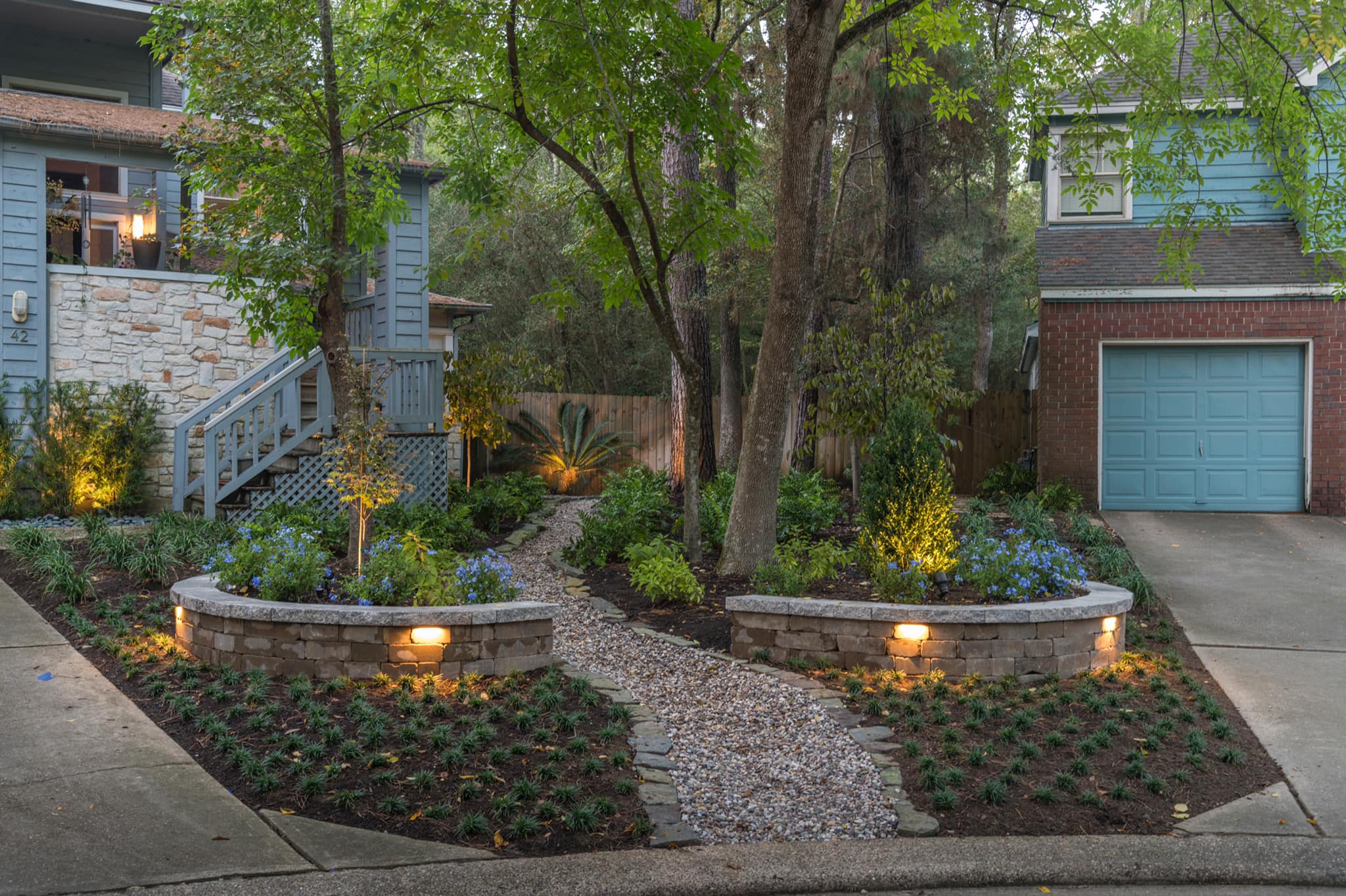
Garden Havens: Infusing Your Outdoor Spaces with Biodynamic Designs Mar 02, 2026
To start, it's crucial to understand what biodynamic gardening entails. Unlike traditional gardening methods, biodynamics emphasizes the connection between the soil, plants, and environmental elements in a holistic manner. It incorporates organic practices, lunar cycles, and natural preparations to enrich and sustain the land. The goal is to create an interconnected ecosystem where every element of your garden thrives in unison.
When implementing biodynamic designs, consider starting with healthy soil. The foundation of any successful garden begins here. Utilize composting techniques and natural materials to enrich and nurture your soil. Regularly adding compost not only recycles organic waste but also infuses your soil with essential nutrients and microorganisms that benefit plant growth.
Water management is another critical aspect of biodynamic gardening. Consider implementing rainwater harvesting systems and efficient irrigation techniques to ensure your plants have the right amount of hydration without waste. Design your garden with natural drainage and water retention features to make the best use of rainfall and reduce reliance on municipal water supplies.
Selecting the right plants is key to establishing a thriving biodynamic garden. Opt for native plants, as they are well-adapted to local climates and require less maintenance. These plants also provide necessary resources for local wildlife, encouraging a diverse ecosystem. Incorporate a variety of flowers and herbs that attract beneficial insects, offering natural pest control and pollination.
Understanding lunar planting is also an intriguing aspect of biodynamic gardening. Lunar cycles impact plant growth, and by aligning your planting schedule with phases of the moon, you can enhance germination and vigor. For instance, the waxing moon phase is ideal for planting crops that yield above ground, while the waning moon phase supports root growth and planting of underground crops.
Embrace crop rotation and companion planting to maintain soil health and reduce the dependency on chemical inputs. Companion planting involves growing specific plant varieties together to naturally enhance growth and repel pests. Employing rotation helps prevent the depletion of soil nutrients and disrupts pests and disease cycles, leading to healthier plant development.
Establishing a biodynamic garden doesn't happen overnight, but patience and careful planning can yield rewarding results. Provide sanctuary spaces with carefully placed seating or pathways using sustainable hardscaping materials, encouraging you and visitors to immerse in the natural beauty of your biodynamic garden haven.
In conclusion, a biodynamic garden is a powerful way to reconnect with nature while promoting environmental health. By integrating these practices and designs into your outdoor space, you transform it into a vibrant, self-sustaining ecosystem. Atlas Land Design is dedicated to assisting you throughout this transformation, ensuring your landscapes are sustainable, beautiful, and alive with potential. Embrace this enriching gardening approach and watch your outdoor sanctuary flourish.