Garden Geometry: Transform Your Outdoor Space with Symmetrical Designs May 31, 2026
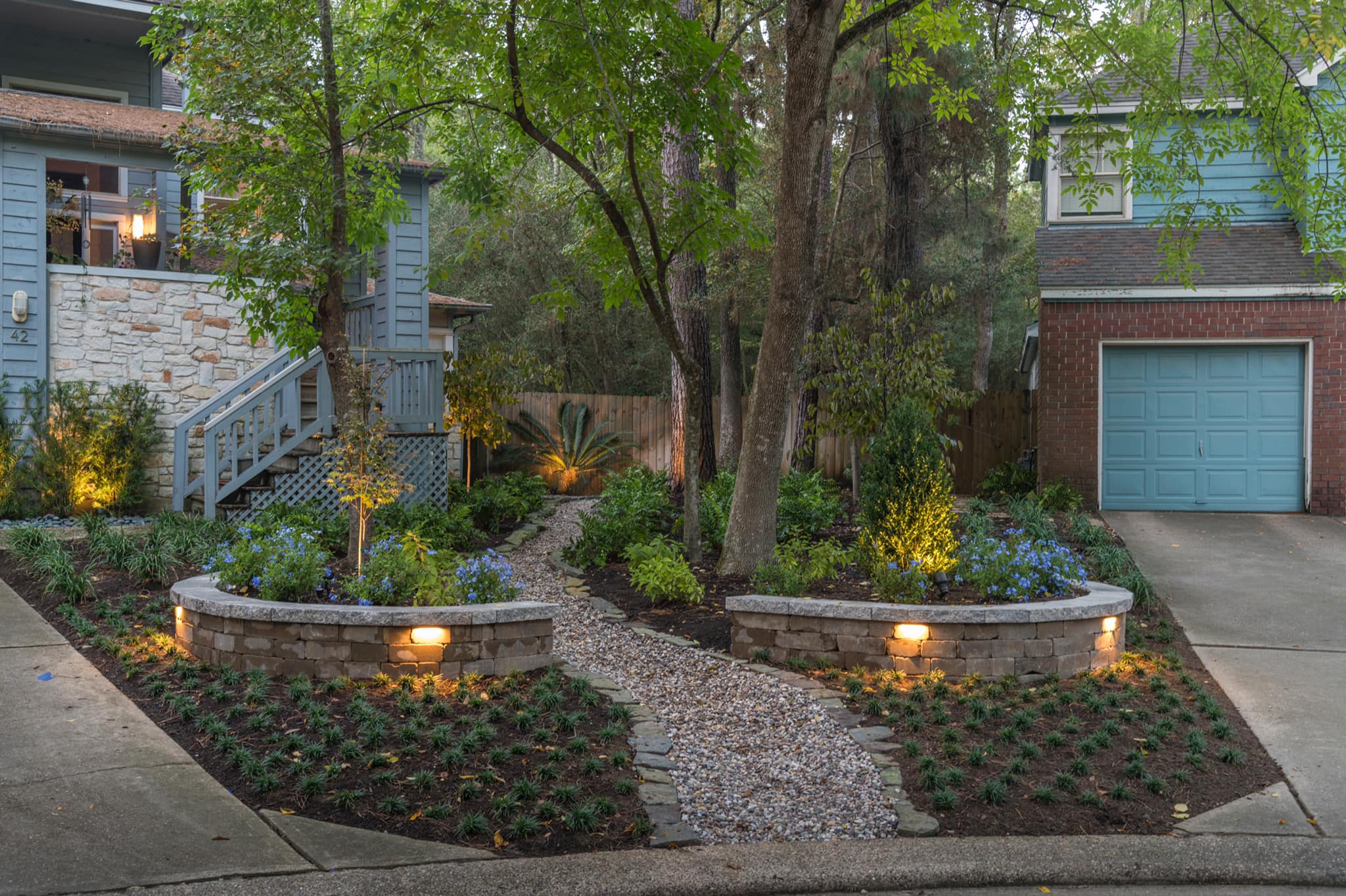
Symmetry in garden design involves using mirror-imaging concepts to achieve balanced and aesthetically pleasing arrangements. Imagine walking through a garden where every element mirrors its counterpart, creating a sense of harmony that is both visually and emotionally satisfying. This ancient technique draws on geometric principles, using lines and shapes to create order and structure within a natural setting.
Start by evaluating your existing garden space. Consider which areas could benefit from a more structured approach. Symmetrical gardens are often centered around a focal point, such as a water feature, sculpture, or a distinctive tree. This is the heart of the design, around which everything else radiates. Begin by marking out your central point and work from there.
One common method is to divide the garden into equal sections using straight lines or pathways. These can act as boundaries for planting beds or separate zones for different activities. Incorporating paths lined with hedges or seasonal flowers can not only enhance symmetry but also guide guests through a thoughtful journey of your garden’s wonders.
When selecting plants, opt for pairs or identical plants that can be symmetrically placed on either side of pathways or features. Consider height, color, and texture to ensure that both sides complement each other. Repetition is a stark feature in symmetrical designs, providing a seamless flow that engages visitors subconsciously.
Another strategy is to employ symmetry within smaller garden elements. For instance, matching planters on either side of an entrance or mirror landscaping on both sides of a bench can reinforce geometric precision. This meticulous attention to detail adds layers of depth to the overall design, embedding symmetry even in smaller corners of the garden.
While symmetry focuses on balance and uniformity, it’s important to keep the landscape lively and dynamic. Incorporate curves within bed designs to soften straight lines and introduce organic movement. This blend of symmetry and flow creates interest and keeps the garden from feeling too rigid or contrived.
Maintenance of a symmetrical garden is straightforward. Regular trimming and pruning are essential to retain the design’s integrity. Symmetrical designs inherently maintain order, making it easier to manage overgrowth and damage. Furthermore, they allow for seasonal adjustments. As plants bloom or recede, their mirrored counterparts will maintain balance, offering flexibility as the seasons change.
In conclusion, embracing symmetrical garden designs can transform your outdoor space into an oasis of tranquility and sophistication. At Atlas Land Design, we are passionate about crafting landscapes that are not only aesthetically pleasing but also serve as an extension of your personal style. Whether you are starting from scratch or refining an existing garden, symmetry can provide the structure and beauty needed to create a truly captivating space. Ready to embark on your garden geometry adventure? Let us help you design the perfect symmetrical landscape that will rejuvenate your outdoor living area effortlessly.