Garden Geometry: Innovative Uses of Shapes in Modern Landscapes Feb 27, 2026
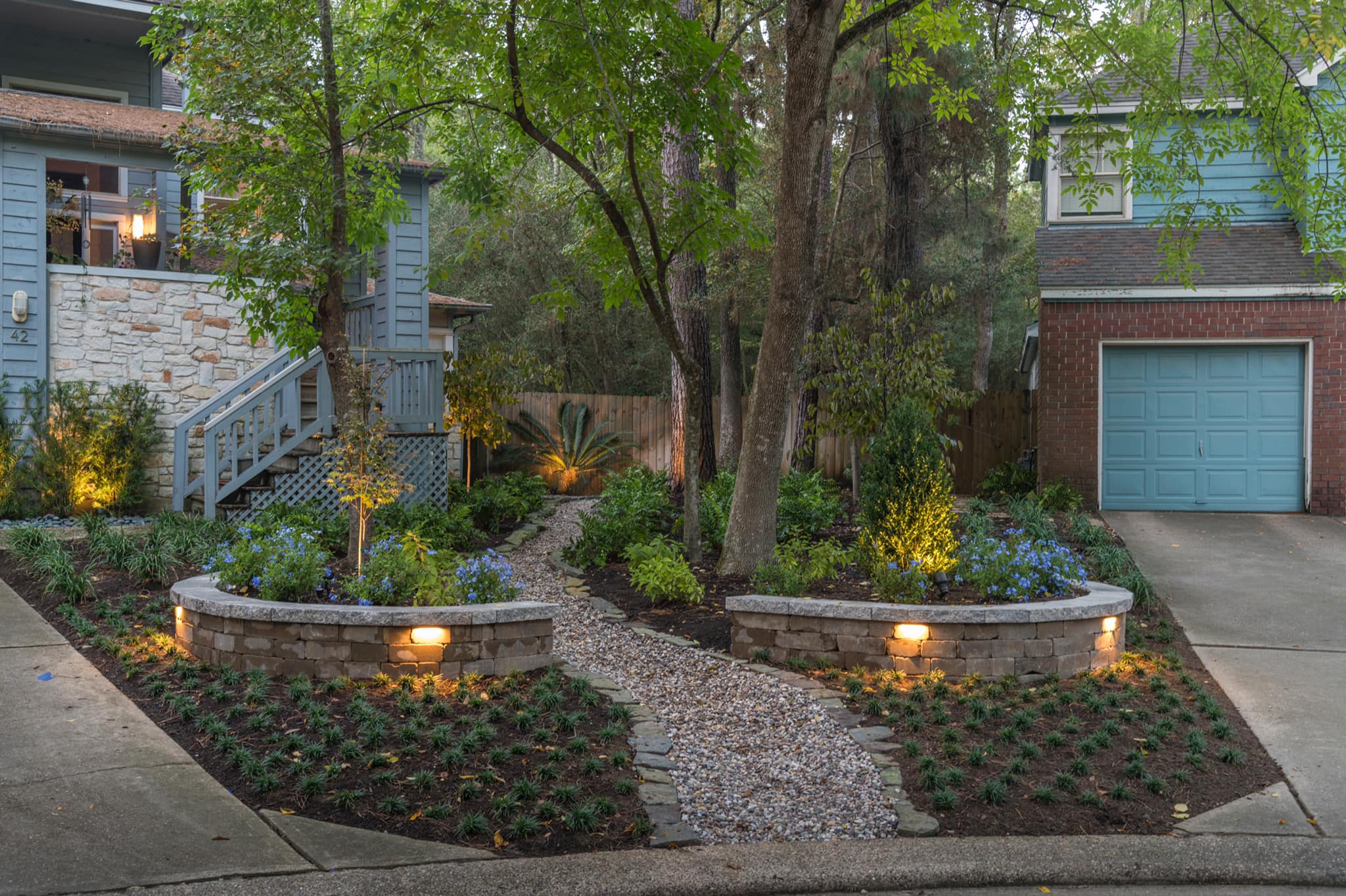
Garden geometry begins by considering the layout and spatial dynamics of your outdoor area. Circle, square, triangle, and even irregular polygons can be manipulated to create unique focal points and pathways. These geometric shapes not only define space but also influence movement and perspective in a garden. For instance, circular designs can create a sense of inclusivity and continuity, while angular shapes often convey a more modern and structured feel.
One significant advantage of incorporating geometry in landscapes is the ability to design spaces that cater to specific functional needs without sacrificing style. Rectangular plots can divide a garden into sections for different activities, such as dining, relaxation, or play. Triangular trellises might be employed to maximize vertical space for climbing plants, adding depth and interest to a previously flat area.
When choosing a shape for your garden, consider the existing architecture and natural features of your property. This ensures a seamless transition between landscape and structure. For instance, the bold use of geometric shapes in paving can enhance the architectural elements of a modern home or business. Atlas Land Design specializes in integrating elements like hexagonal pavers or checkerboard stones to complement contemporary buildings, offering a touch of elegance and cohesiveness.
The use of geometric shapes in gardens is not limited to ground design alone. Vertical elements such as walls and fences can also follow geometric patterns, drawing the eye upwards and creating an illusion of space even in smaller gardens. This approach is particularly useful for urban settings where space is at a premium. Likewise, sculptural elements and planting beds defined by precise edges can bring a polished look to the outdoors, transforming an ordinary garden into a visually engaging masterpiece.
Color and texture play pivotal roles in enhancing geometric designs. Carefully selected plants with contrasting foliage can emphasize the sharp lines of geometric shapes. Meanwhile, the use of materials like stone, wood, and metal can introduce textural contrast, adding depth and interest. At Atlas Land Design, experts advocate for balancing these elements to highlight the geometric features without overwhelming the natural beauty of the garden.
As intriguing as these designs can be, the implementation requires expertise. Precise measurement and placement are crucial to achieving a harmonious effect, making professional guidance invaluable. Atlas Land Design offers comprehensive landscaping services, ensuring that every angle complements the overall design ethos and enhances the property’s value.
In conclusion, embracing garden geometry is a powerful way to revolutionize your outdoor space. By harmonizing shapes, colors, and textures, you can create an oasis that captures attention and provides a peaceful retreat. Whether starting from scratch or seeking to revitalize an existing landscape, the strategic use of shapes can transform your garden into a modern and innovative masterpiece. Explore the potential of geometric landscaping with Atlas Land Design and experience the perfect blend of form, function, and beauty in your own backyard.