Functional Beauty: Designing Outdoor Spaces for Relaxation and Recreation Feb 28, 2026
When designing an outdoor space, the balance between form and function is crucial. Start by assessing the available space and consider how you envision using it. Do you want a cozy corner for contemplative relaxation, or are you looking to entertain larger groups with an expansive patio and outdoor kitchen? Identifying the primary purpose for the space will guide the design process and ensure the final result meets your needs.
One of the key elements in designing for functionality is effective space planning. Zoning your outdoor area can enhance both usability and aesthetics. For instance, designate specific areas for dining, lounging, and playing, ensuring each zone has a distinct purpose but also flows seamlessly into the next. This approach not only maximizes the potential of the space but also encourages a natural movement throughout the garden.
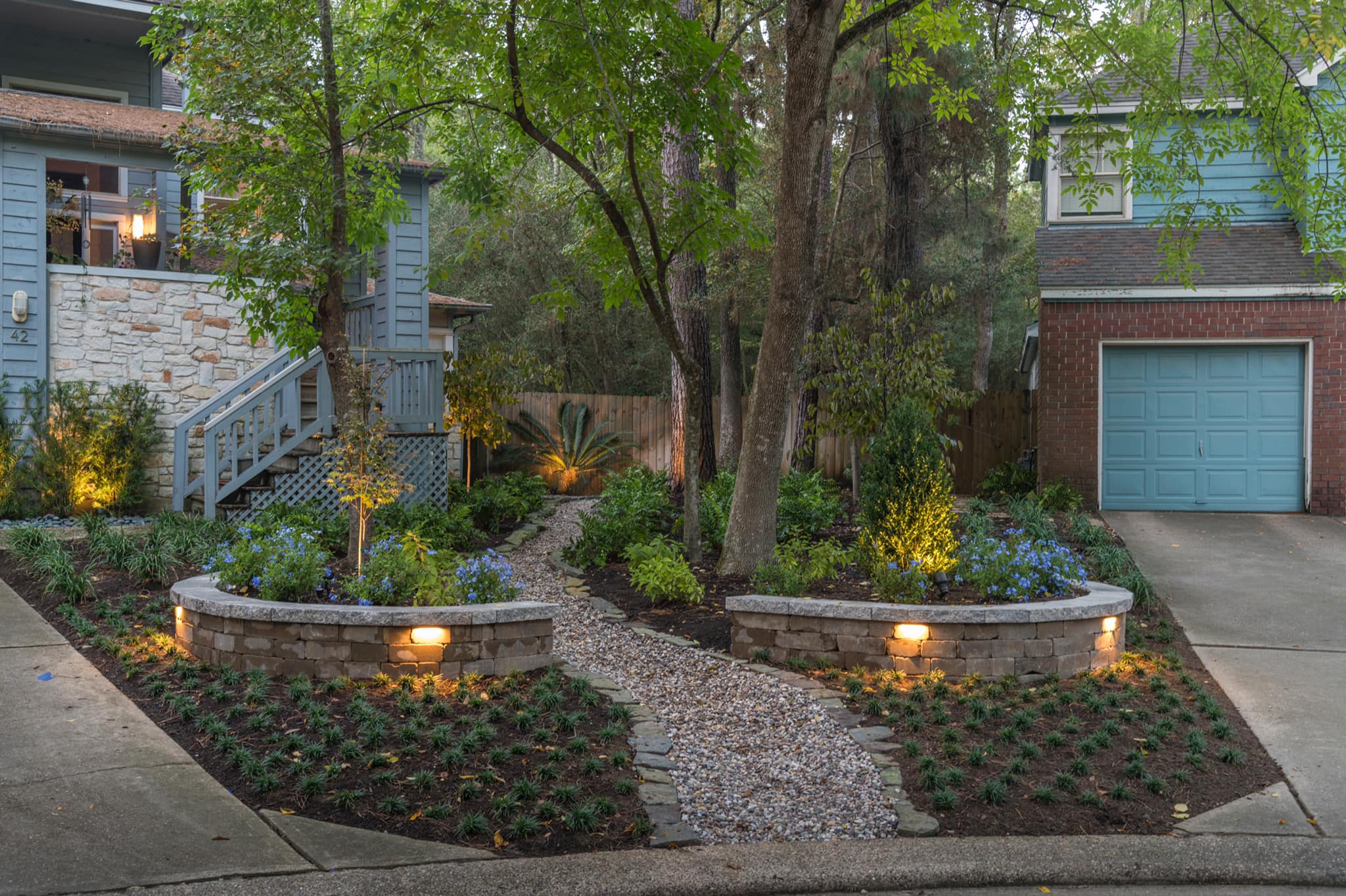
Incorporating hardscaping elements, such as pathways, patios, and retaining walls, can significantly enhance the structure and accessibility of an outdoor area. Materials like stone, wood, and pavers are not only durable but can also be chosen to complement the natural surroundings, ensuring the space blends harmoniously with the environment. Atlas Land Design specializes in creating these elements with precision, ensuring they stand the test of time while adding to the property's beauty.
Plant selection is another critical aspect of functional design. Choose plants that are not only beautiful but also suitable for the climate and soil conditions of your area. Low-maintenance options can save time and effort, allowing you to enjoy the space without the burden of constant upkeep. Incorporating a mix of color, texture, and height in plant selection can create visual interest and help define different zones within the landscape.
Lighting plays a transformative role in outdoor spaces. Thoughtfully placed lighting can enhance safety, highlight architectural features, and extend the usability of the area into the evening hours. Consider using solar-powered lights along pathways and softer, ambient lighting for seating areas to create a warm and inviting atmosphere.
Water features, such as a small pond or a fountain, can add an element of tranquility. The sound of flowing water creates a soothing backdrop, helping to mask unwanted noises and encouraging relaxation. Moreover, water features can serve as focal points that draw attention and add a touch of luxury to the design.
In conclusion, designing outdoor spaces for relaxation and recreation requires a strategic blend of creativity and practicality. By focusing on the interplay between landscaping and hardscaping and considering elements like space planning, material choice, and lighting, you can create an outdoor haven that's as functional as it is beautiful. At Atlas Land Design, we are committed to helping our clients realize their vision by crafting outdoor spaces that truly reflect their lifestyle and enhance their home environment. Let us transform your yard into a peaceful retreat that invites relaxation and promotes joyful gatherings.