Eco-Innovation: Designing Sustainable Landscapes for a Greener Tomorrow Apr 08, 2026
The journey towards sustainable landscaping begins with understanding the ecosystem. At Atlas Land Design, we prioritize using native plants suited to the local climate and soil conditions. Native plants are inherently more sustainable because they require fewer resources such as water, fertilizers, and pesticides. By opting for indigenous flora, we reduce the ecological footprint of your garden, offering a habitat that supports local wildlife, from pollinators to songbirds.
Water conservation is another cornerstone of sustainable landscaping. Traditional landscaping can be quite water-intensive, but innovative solutions such as rainwater harvesting and drip irrigation systems can significantly cut down on water usage. Drip irrigation, in particular, allows for precise and efficient water application directly to the plant roots, minimizing evaporation and runoff. Additionally, integrating rain gardens or bioswales can manage stormwater, preventing erosion and improving water quality.
The concept of xeriscaping has gained traction in recent years and rightly so, given water scarcity concerns in many regions. Xeriscaping involves designing landscapes that reduce or eliminate the need for supplemental water from irrigation. By using drought-tolerant plants and strategically planning plant placement, xeriscaping not only conserves water but also adds vibrant, low-maintenance beauty to outdoor spaces.
Soil health is the backbone of any thriving landscape. At Atlas Land Design, we advocate for organic soil enrichment practices like composting and mulching. Composting returns valuable nutrients to the soil, enhancing fertility and structure, while mulch helps retain soil moisture and suppress weeds. These practices not only nourish plants naturally but also help sequester carbon, contributing to climate change mitigation.
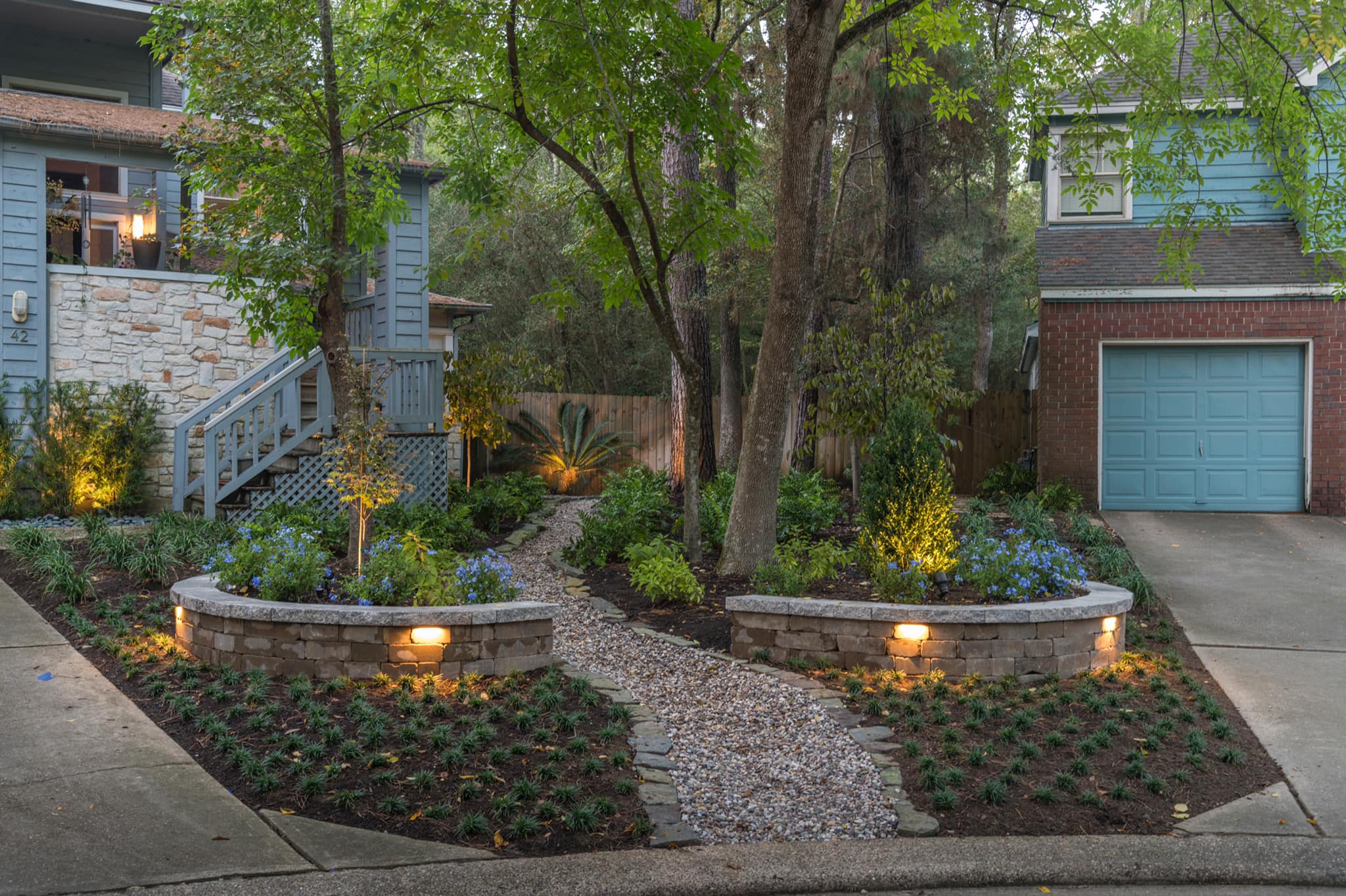
Sustainable landscaping doesn't end with plant and soil care. Hardscape elements such as paths, patios, and retaining walls also need eco-friendly consideration. Using permeable materials for walkways and other surfaces reduces stormwater runoff and replenishes groundwater supplies. Furthermore, sourcing materials locally minimizes transportation emissions while supporting regional economies.
Solar lighting is another sustainable feature that can enhance a landscape's functionality and beauty without raising energy demands. By harnessing the sun's power, you can illuminate your garden while reducing carbon footprints and electricity bills.
Not only do these eco-innovations result in beautiful, sustainable landscapes, but they also enhance property value, reduce maintenance costs, and provide functional outdoor spaces that can be enjoyed year-round. The commitment to sustainable landscaping is not just about aesthetics or economic savings; it's about making environmentally-conscious decisions that foster biodiversity and build resilience against climate change.
In conclusion, eco-innovative landscaping practices are essential for creating sustainable and harmonious ecosystems. At Atlas Land Design, we are dedicated to transforming your outdoor spaces into verdant, eco-friendly havens. By investing in sustainable landscaping today, we are not only improving our present but also nurturing the ecological integrity of future generations. Let's plant the seeds for a greener tomorrow, one landscape at a time.