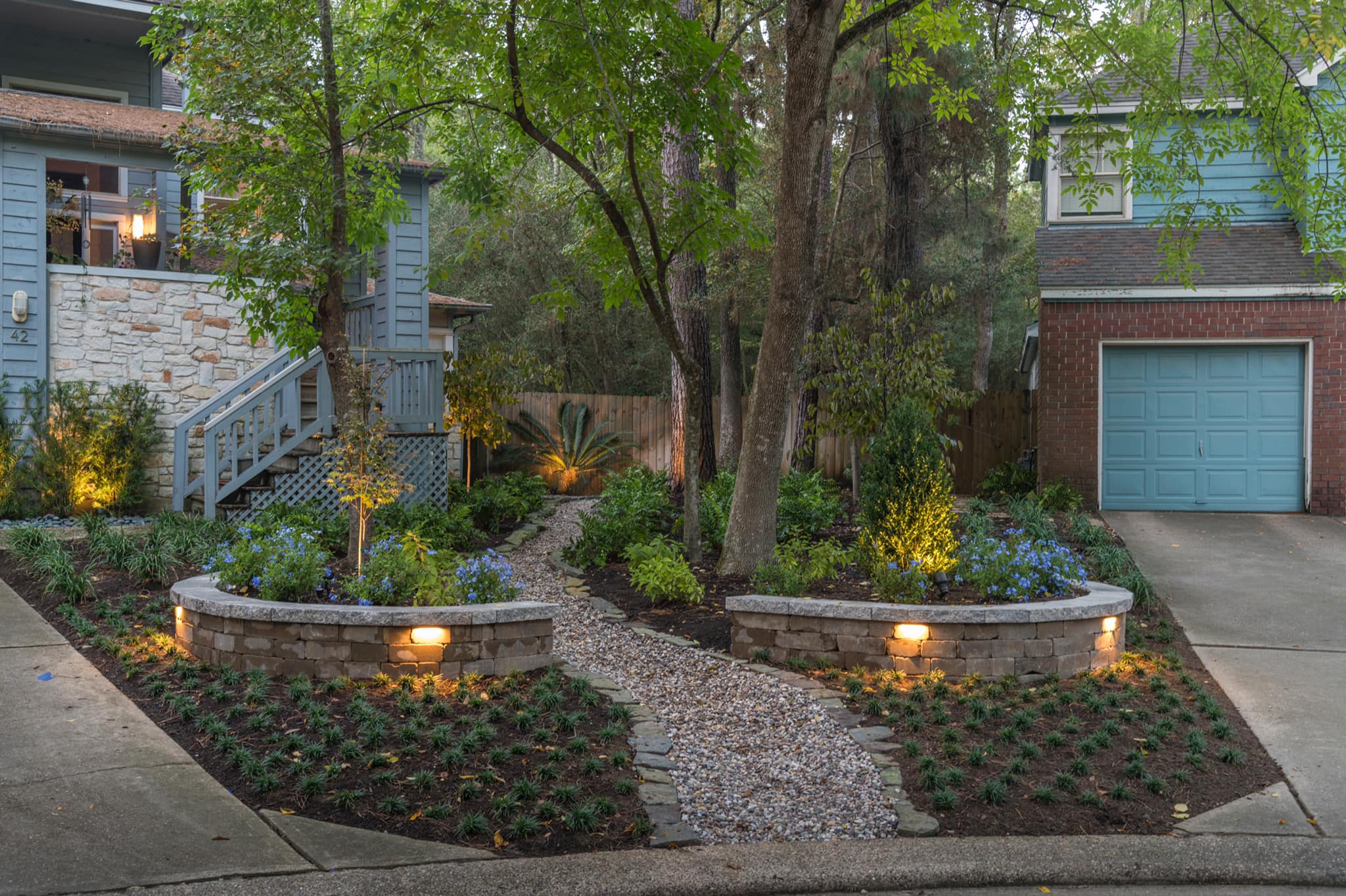
Eco-Friendly Elegance: Designing Sustainable Landscapes with Low Impact Apr 04, 2026
Sustainable landscaping begins with thoughtful planning. To minimize environmental impact, it's crucial to select native plants that are well adapted to the local climate and soil conditions. Native plants require less water, fewer fertilizers, and are naturally more resistant to pests. By incorporating these plants into your landscape design, you reduce the need for chemical interventions and promote biodiversity by supporting local wildlife.
In addition to plant selection, water conservation is a key element of sustainable landscape design. Implementing efficient irrigation systems, such as drip irrigation, can significantly reduce water waste. Drip irrigation delivers water directly to the plant's root zone, ensuring that plants receive adequate hydration while minimizing evaporation. Additionally, rainwater harvesting systems can be integrated into your design to capture and reuse water, further conserving this precious resource.
Soil health is another critical component of a low-impact landscape. Healthy soil fosters plant growth, reduces the need for chemical fertilizers, and improves water retention. Incorporating organic compost into your soil revitalizes its structure, enhances its nutrient content, and promotes beneficial microorganisms. Moreover, retaining natural mulch in garden beds helps maintain soil moisture and temperature, reducing erosion and suppressing weed growth.
The use of permeable surfaces in hardscaping is an effective method of managing stormwater runoff, another aspect of eco-friendly landscaping. Permeable pavers, gravel, or decomposed granite allow rainwater to seep into the ground, replenishing groundwater supplies instead of contributing to runoff that can carry pollutants into waterways. By choosing these materials, you contribute to reducing flood risks and improving water quality.
Beyond these ecological benefits, sustainable landscapes offer aesthetic appeal and functional value. Designing with sustainability in mind does not mean sacrificing beauty. Thoughtful placement of trees and shrubs not only creates visual interest and enhances curb appeal but also provides shade that can naturally cool your home, reducing the need for air conditioning. Outdoor living spaces can be designed to blend with the natural surroundings, offering a seamless transition from indoor to outdoor environments.
Finally, creating a sustainable landscape involves maintaining it in an environmentally conscious way. Regular maintenance routines should focus on reducing pollutants and waste. Opt for electric or manual tools instead of gasoline-powered machines to minimize emissions. Composting garden waste contributes organic matter back into your landscape, promoting continual soil health.
In conclusion, designing a sustainable landscape with low environmental impact is a rewarding endeavor that yields both ecological and personal benefits. By choosing native plants, conserving water, maintaining soil health, using permeable surfaces, and adopting eco-friendly maintenance practices, Atlas Land Design helps you create a harmonious outdoor space that respects nature while enhancing your lifestyle. Ultimately, sustainable landscapes embrace the beauty of nature and foster a healthy environment for both people and wildlife, embodying the essence of eco-friendly elegance.