Eco-Friendly Elegance: Designing Sustainable Gardens with Impact Jan 14, 2026
The foundation of a sustainable garden lies in choosing the right plants. Native plants are an excellent starting point. They are well-adapted to the local climate and soil conditions, requiring less water and maintenance. This not only conserves resources but also supports local biodiversity, providing a habitat for native insects and birds. For example, if you live in a dry region, opt for drought-tolerant plants like lavender or succulents. These choices not only thrive with minimal water but exude a natural elegance.
Water conservation is another crucial aspect of sustainable garden design. At Atlas Land Design, we advocate for intelligent irrigation solutions such as drip irrigation systems. These systems deliver water directly to the plant roots, reducing wastage through evaporation and runoff. Additionally, collecting rainwater using barrels or other systems can provide a sustainable water source for drier months, reducing your dependency on municipal water supplies.
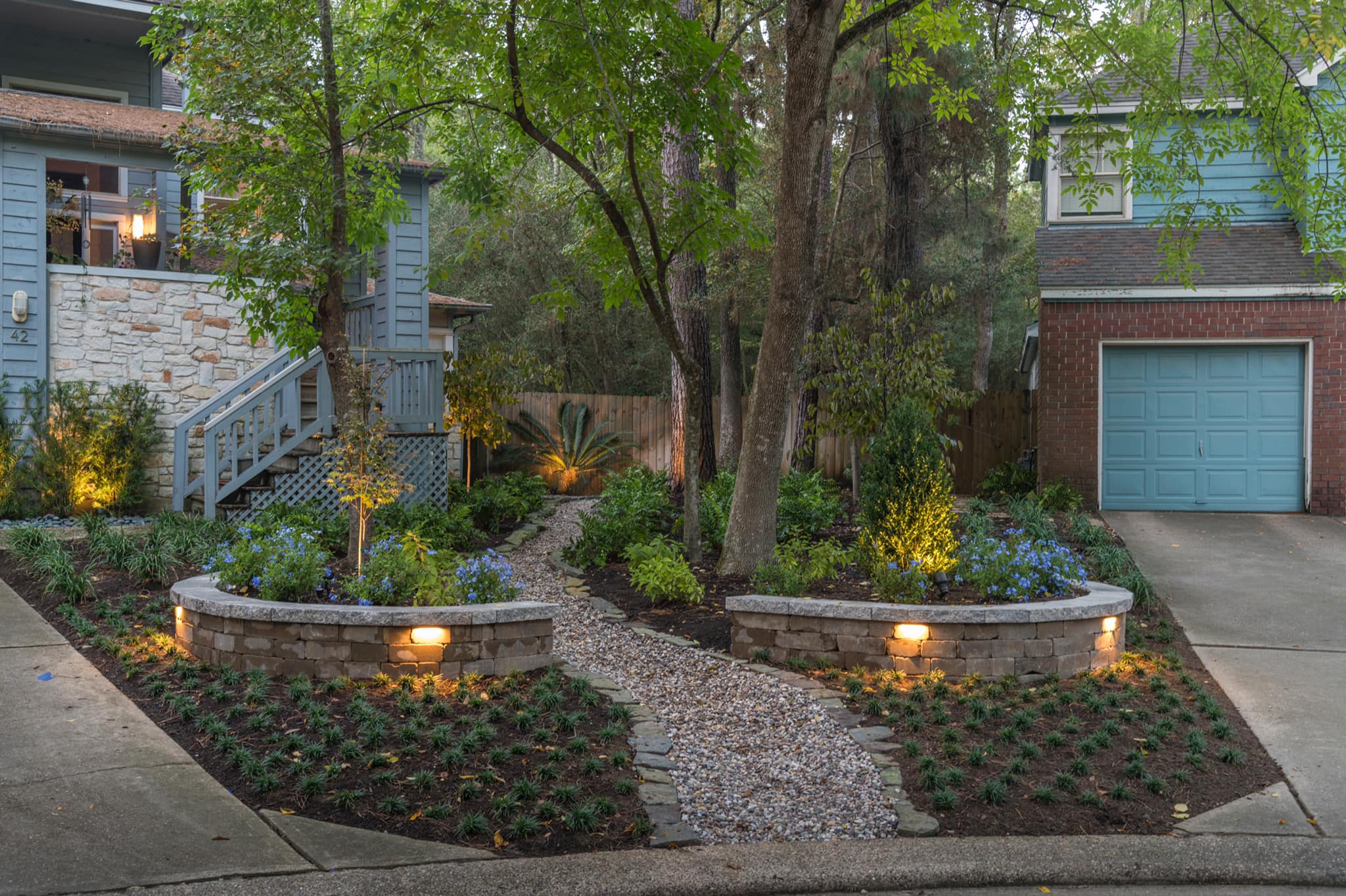
Incorporating permeable hardscaping features does not only add texture and definition to your garden but also aids in managing water runoff. Instead of traditional concrete or asphalt, consider using gravel, permeable pavers, or wood chips. These materials allow rainwater to seep into the ground, replenishing the groundwater supply while minimizing erosion and surface runoff.
Composting is an often-overlooked method of enhancing your garden sustainably. By composting kitchen scraps and yard waste, you can create nutrient-rich soil amendments that enhance plant growth without chemical fertilizers. This organic matter improves soil structure, aids in moisture retention, and fosters beneficial micro-organisms.
Designing a garden with biodiversity in mind sets the stage for an ecosystem where every element plays a role in sustaining the other. Introducing features such as insect hotels, bird feeders, and small ponds invite beneficial wildlife into your garden. These elements not only contribute to a balanced environment but also add visual interest and vitality to the landscape.
At Atlas Land Design, we emphasize the importance of maintenance in sustainable garden design. Sustainable gardens need consistent, though minimal, care. Mulching is an effective, low-maintenance practice that retains moisture, regulates soil temperature, and suppresses weeds. Opt for organic mulches like straw, wood chips, or shredded leaves to stay true to your eco-friendly principles.
In conclusion, designing a sustainable garden is about making informed choices that reflect both your environmental commitment and your taste. By choosing native plants, implementing water-saving techniques, and fostering biodiversity, you contribute to a healthier planet and a stunning landscape. A well-thought-out garden can provide a serene retreat while promoting ecological balance. Atlas Land Design is here to help you create an elegant outdoor space that treads lightly on the earth, offering you a garden that is as beautiful as it is sustainable. For those seeking to harmonize elegance with eco-friendliness, the possibilities are as wide as nature itself.