Eco-Conscious Escapes: Designing Sustainable Landscapes for the Future Apr 21, 2026
The journey to a sustainable landscape begins with choosing the right plants. Native and drought-resistant plants are excellent options as they require minimal water and care while promoting local biodiversity. These plants are naturally adapted to the local climate and soil conditions, reducing the need for chemical fertilizers and excessive watering. Incorporating plant diversity is another key element; a mix of trees, shrubs, and perennials can create a balanced and resilient ecosystem.
Water conservation is a critical component in sustainable landscaping. Implementing an efficient irrigation system can greatly reduce water wastage. Options like drip irrigation or soaker hoses directly deliver water to the roots of plants, minimizing evaporation and runoff. Additionally, collecting rainwater in barrels can provide an alternate water source for your garden, ensuring sustainability even in dry seasons.
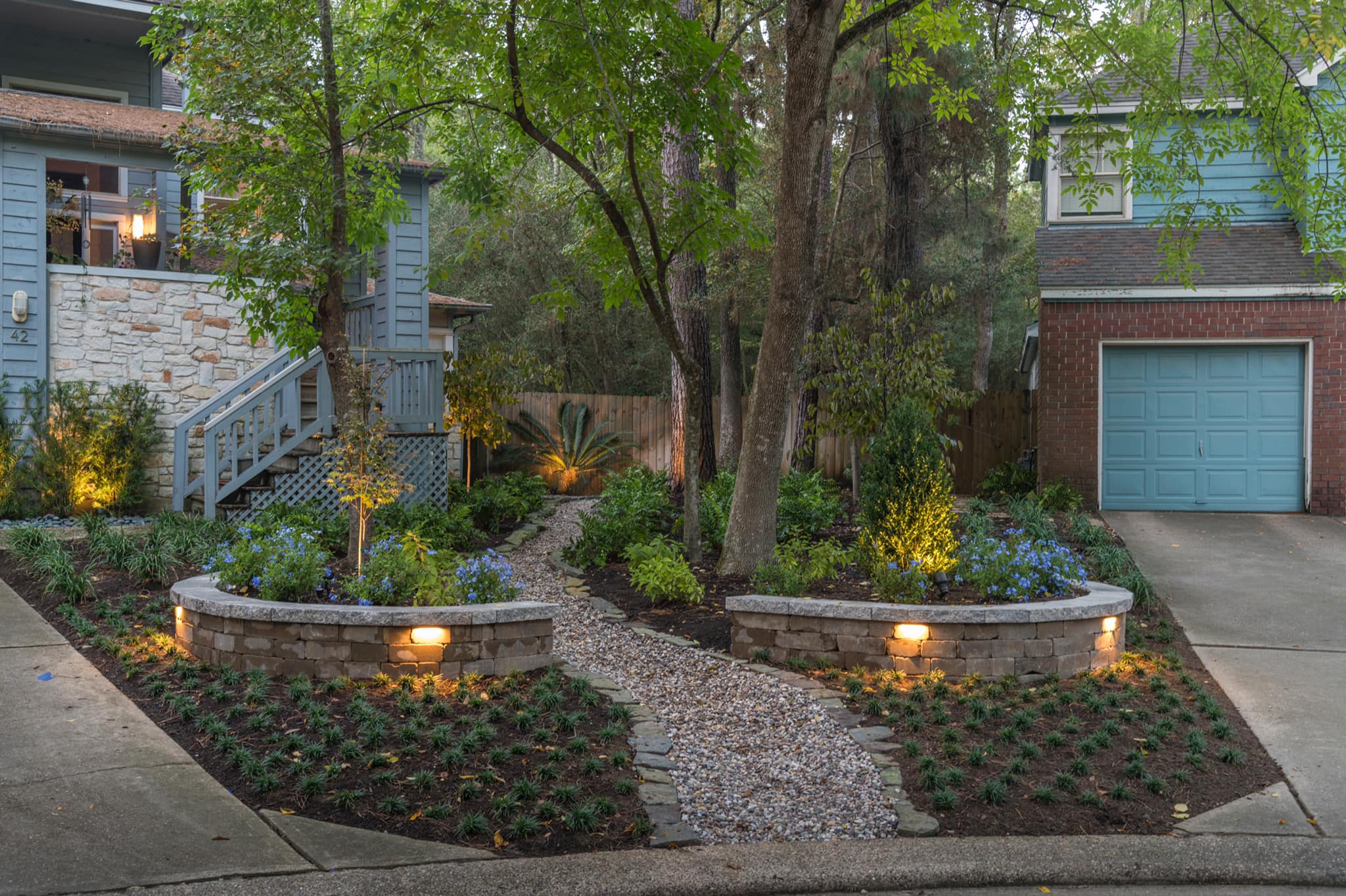
Another impactful method is incorporating hardscapes made from environmentally friendly materials. Recycled wood, permeable concrete, and locally sourced stone not only add structure and aesthetic appeal but also help in managing water runoff and reducing erosion. These materials are durable and often require less maintenance, making them a cost-effective choice in the long run.
Mulching is a simple yet effective practice that aids in improving soil health. By spreading organic mulch around your plants, you can retain soil moisture, suppress weeds, and enhance the overall fertility of the soil. Over time, as the mulch breaks down, it adds nutrients back to the soil, supporting plant growth without the need for synthetic fertilizers.
Creating wildlife habitats is another rewarding aspect of eco-conscious landscaping. By installing birdhouses, bat boxes, and water features, you can attract beneficial wildlife to your garden. These creatures not only add life to your landscape but also help in controlling pests naturally, reducing the reliance on chemical pesticides.
Composting is an excellent way to recycle yard waste and kitchen scraps, turning them into rich, organic soil for your garden. A compost pile or bin in a corner of your garden reduces waste and improves soil health, ensuring a thriving ecosystem.
Finally, maintaining a sustainable landscape involves careful planning and routine care. Regularly assess your garden for invasive plants, pests, and diseases, and take measures to address any issues in an eco-friendly manner. Staying informed about sustainable practices and seeking expert advice, such as from Atlas Land Design, can make a significant difference in achieving a truly green garden.
As we conclude, remember that designing a sustainable landscape is an ongoing commitment to nurturing the environment. By choosing eco-friendly practices, you not only create a beautiful escape but also contribute positively to the planet. Atlas Land Design is here to guide you every step of the way, ensuring that your outdoor spaces are as sustainable as they are stunning. Transform your garden into an eco-conscious escape that future generations will thank you for.