Desert Delight: Designing Resilient Landscapes with Drought-Tolerant Plants May 06, 2026
Understanding the importance of drought-tolerant landscaping is crucial, especially in regions prone to water scarcity. By incorporating plants that are naturally adapted to low-water environments, you not only reduce your water consumption but also contribute to the broader conservation efforts critical in today’s climate. These plants require minimal maintenance, making them ideal for busy homeowners looking to enhance their outdoor spaces without committing to constant upkeep.
When planning your desert-friendly landscape, consider the diverse range of drought-tolerant species available. Cacti and succulents are popular choices due to their ability to store water in their leaves, stems, or roots, allowing them to survive prolonged dry periods. Additionally, ornamental grasses such as Blue Fescue and Feather Reed Grass add texture and movement to your garden while maintaining their vibrancy with minimal water.
Another critical aspect of effective drought-tolerant landscaping is soil selection and preparation. Well-draining soil is essential for preventing root rot, a common issue when water pools around the roots of drought-resistant plants. Amend your soil with organic matter like compost to improve its structure and increase its ability to retain moisture while allowing excess water to drain away.
Integrating a variety of textures and colors into your landscape design is key to achieving a balanced and aesthetically pleasing garden. Incorporating native plants can further enhance your landscape’s resilience. Native species are adapted to the local climate and soil, often requiring less water and fertilizer than non-native varieties. Plants like California Lilac and the vibrant flowers of the Red Yucca can transform a barren area into a lush, colorful retreat.
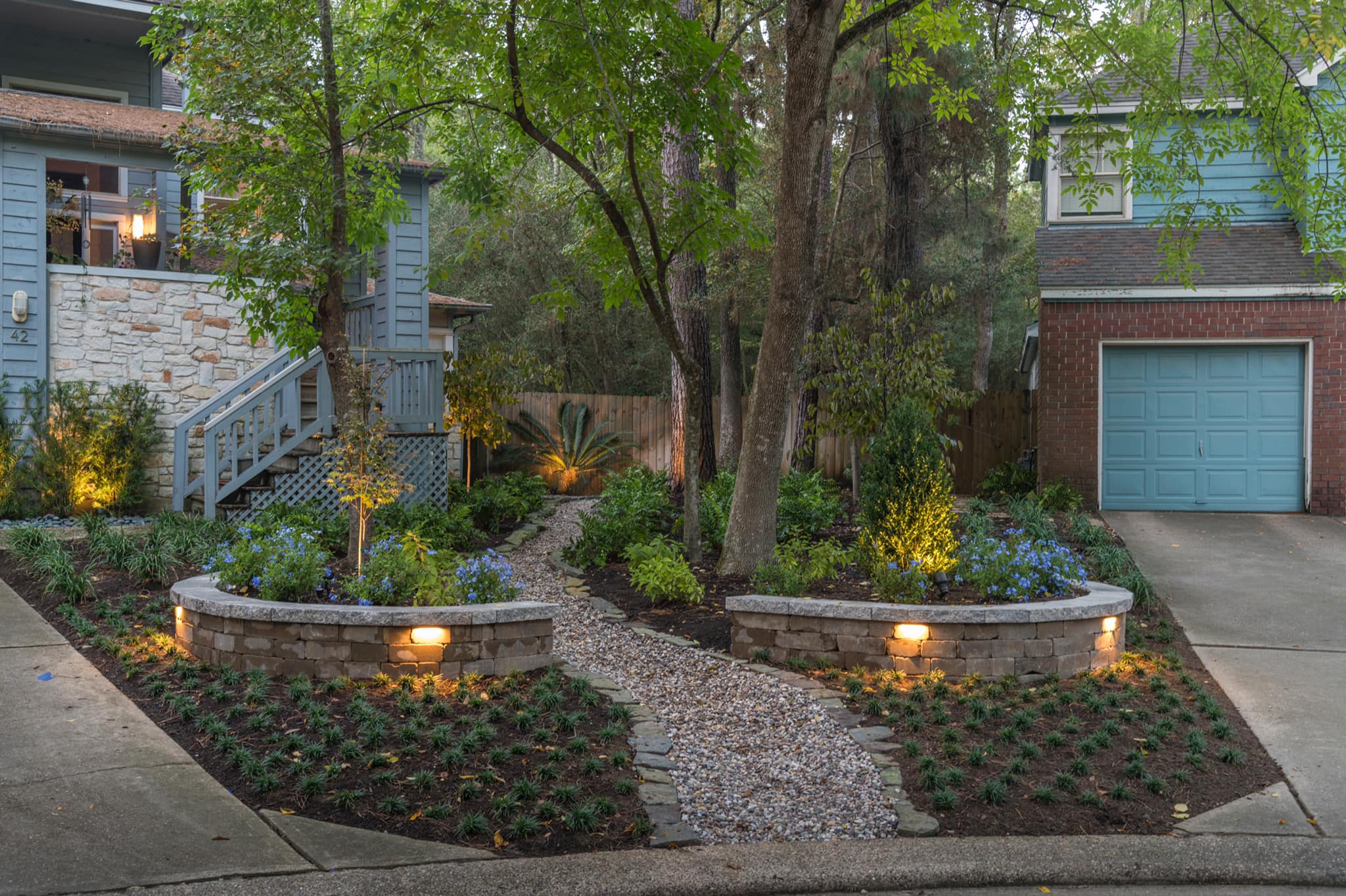
In addition to plant selection, complementary hardscape elements can enhance your garden's functionality and appeal. Gravel paths, stone walls, and decorative rocks not only reduce the need for irrigation but also add contrast and definition to your garden layout. Well-placed mulch can further conserve moisture and protect your plants' roots from temperature extremes.
For those looking to make a larger impact, consider installing a rainwater harvesting system. This sustainable solution captures and stores rainwater, allowing you to water your garden during dry spells without tapping into municipal resources. Combined with efficient drip irrigation systems, rainwater harvesting can significantly lower your garden’s water footprint while keeping your landscape lush.
By choosing drought-tolerant plants, you're not just crafting an eco-friendly landscape but also encouraging biodiversity. Your garden can become a haven for local wildlife, supporting pollinators like bees and butterflies, which are crucial for the health of our ecosystems.
Designing a resilient landscape with drought-tolerant plants is a rewarding endeavor that brings beauty and sustainability. At Atlas Land Design, we are committed to helping you create an oasis that not only thrives in its environment but also offers lasting enjoyment. Embrace the challenge of transforming your arid garden into a desert delight, confident in the knowledge that you’re preserving nature for future generations.