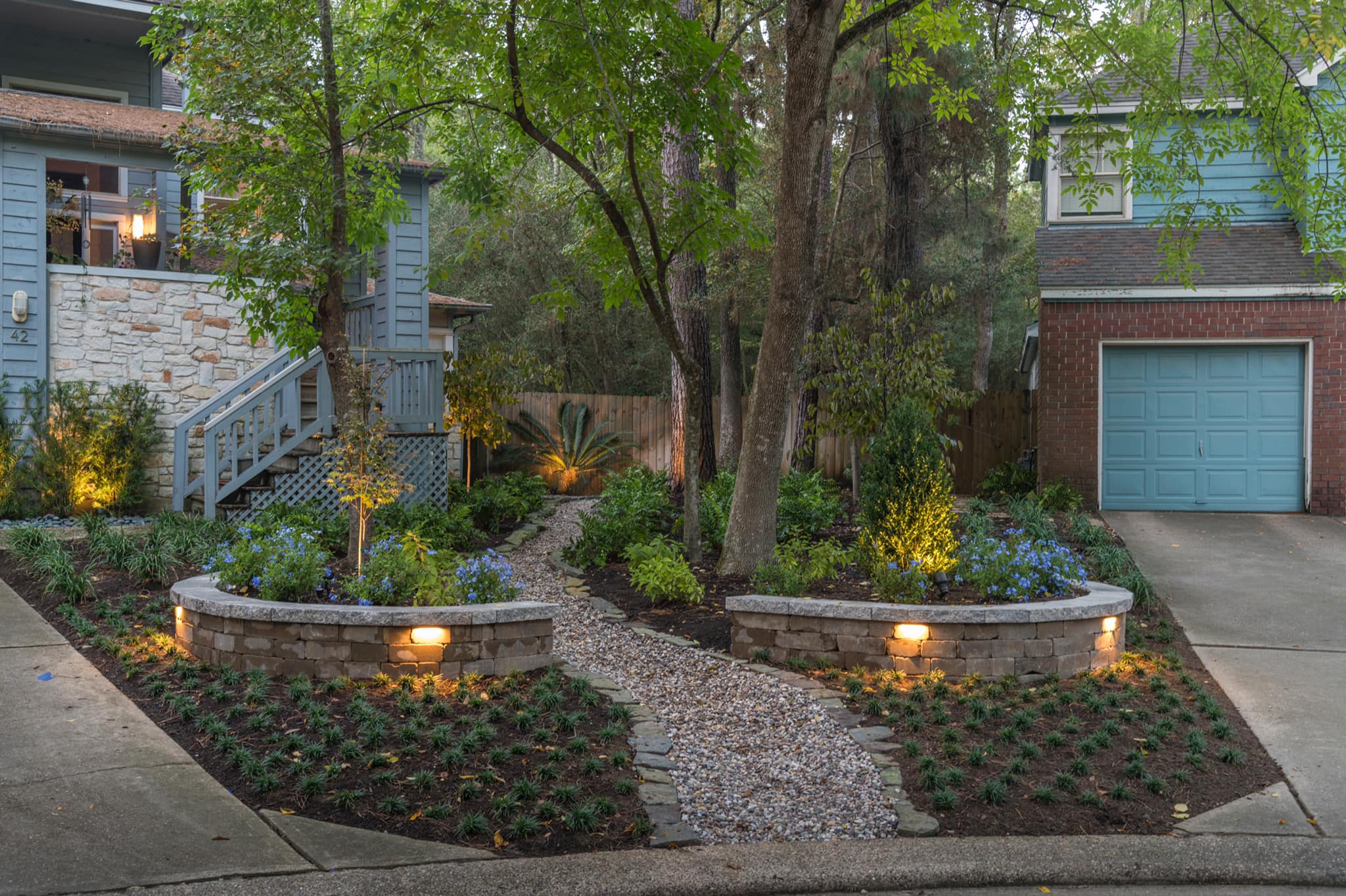
Botanical Balance: Integrating Edible Gardens into Aesthetic Designs Mar 11, 2026
Incorporating edible gardens into your landscape does not mean sacrificing beauty. On the contrary, the rich textures and vibrant hues of vegetables, fruits, and herbs can enhance the visual appeal of any garden. Imagine the striking appearance of dark, leafy kale alongside bright marigolds or the cascading trails of fragrant rosemary interspersed with lavender. These combinations not only invigorate your space with color and fragrance but also foster a dynamic environment that changes with the seasons—keeping your landscape lively all year round.
Starting with herbs is an excellent introduction to edible gardening for those new to the concept. Herbs like basil, mint, and parsley are easy to grow and can fit into small garden beds, pots, or borders without overpowering the existing design. These versatile plants can offer a lush green aesthetic and are ready for culinary use. The key to designing with herbs is placing them strategically within your landscape to balance visual appeal and accessibility.
Though herbs are a great starting point, integrating fruits and vegetables can elevate your edible landscape to a new level. The addition of fruiting shrubs such as blueberries or ornamental chili plants can provide a splash of color and texture. Moreover, plants like cherry tomatoes or strawberries can add a playful and interactive element, particularly for families, making gardening a fun and educational activity.
When planning such an integration, considering the layout and design is crucial. At Atlas Land Design, we emphasize the importance of thoughtful planning to ensure that your edible garden blends seamlessly with existing elements. Whether through raised beds, vertical gardening, or traditional in-ground planting, the spatial arrangement must facilitate growth and easy access for harvesting. Integrating pathways or utilizing decorative potting structures can delineate spaces while maintaining an open, cohesive look.
Sustainability can also play a crucial role in designing your edible garden. By selecting native plants and those suited to your climate, you conserve resources and reduce maintenance efforts. Companion planting, a method of growing certain plants together for mutual benefit, can naturally repel pests and improve growth, contributing to a healthier garden environment. Seasonal rotation allows different crops to thrive throughout the year, ensuring that your landscape remains bountiful and ever-changing.
In conclusion, integrating edible gardens into your landscape design is a delightful way to achieve botanical balance. Not only does this approach enhance the visual appeal of your outdoor space, but it also brings an element of sustainability and functionality that enriches both your garden and lifestyle. At Atlas Land Design, we are passionate about helping our clients explore these possibilities and execute them beautifully. Whether you have a small urban garden or a sprawling rural landscape, there's always room to incorporate edible delights into your aesthetic. Let us help you redefine your outdoor space with innovation and elegance—your garden can be as fulfilling to the eye as it is to the palate.