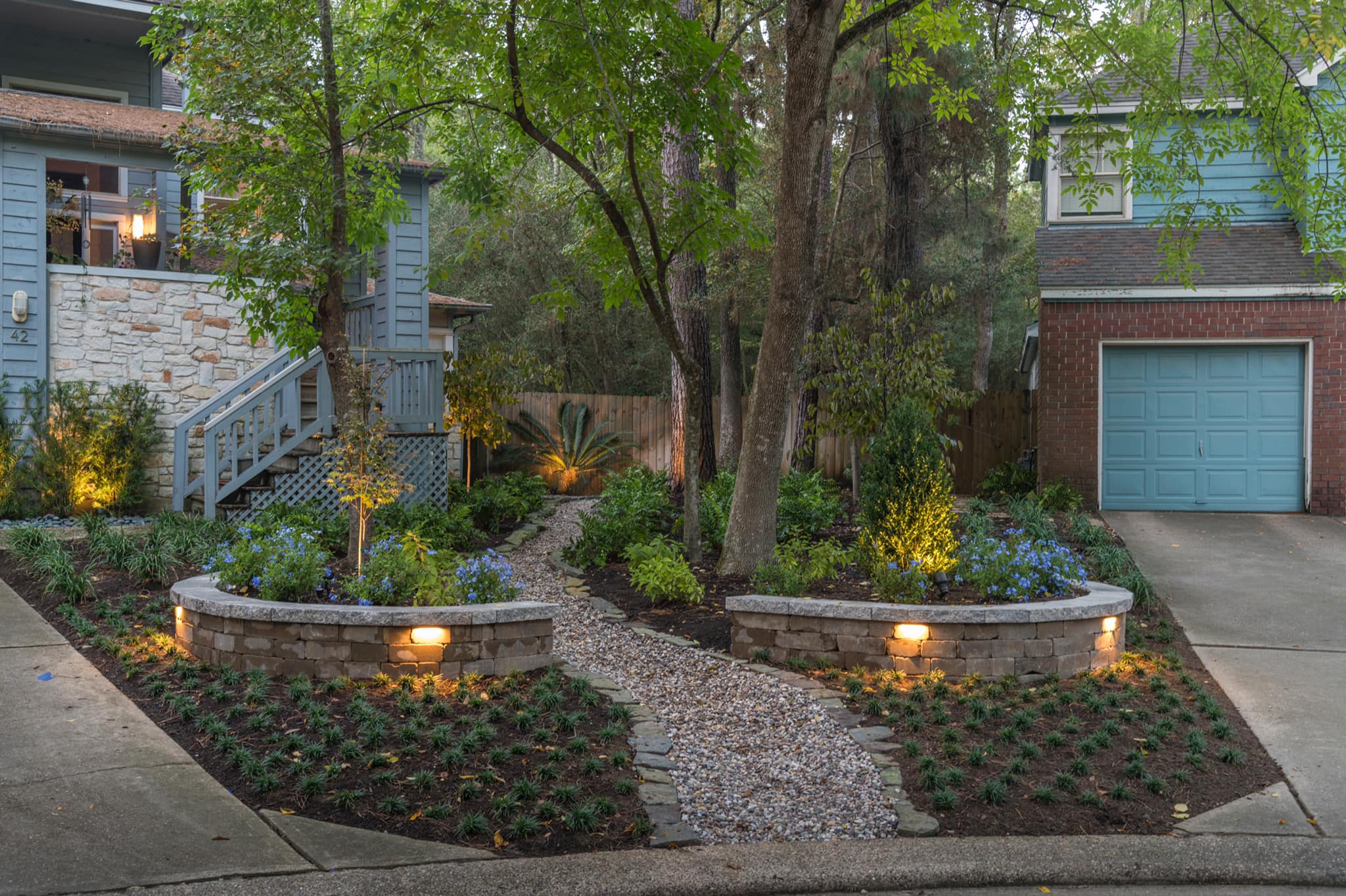
Botanical Balance: Creating Harmonious Landscapes with Mixed Plantings Jun 19, 2026
The beauty of mixed plantings lies in their ability to mimic nature’s diversity. In natural ecosystems, plants coexist in symbiotic relationships, supporting each other's growth and health. When you replicate this in your garden, you create a vibrant ecosystem that thrives on its own. This approach is not only environmentally friendly but also requires fewer resources like water and fertilizers, making it a sustainable choice for conscientious homeowners.
The first step in designing a landscape with mixed plantings is to consider the specific conditions of your space. Assess the soil type, sunlight, and existing flora. It's essential to select plants that complement these conditions. Native plants, for example, are a smart choice because they are adapted to the local climate and soil. This reduces the need for excessive watering and chemical interventions. At Atlas Land Design, our experts are adept at identifying native plants that bring color and texture to your landscape without compromising their ecological balance.
Creating layers in your garden is another strategic way to encourage harmony. Mix groundcovers with perennials and shrubs at different heights to form a multi-dimensional space. This not only maximizes your area but also creates microhabitats that attract beneficial insects and birds. By using a combination of annuals, perennials, and evergreen plants, you can ensure year-round interest in your garden. Our team recommends choosing plants with complementary blooming schedules to maintain continuous color and fragrance throughout the seasons.
While planning mixed plantings, it is crucial to consider the growth habits of each plant. Fast-growing species might overshadow slower-growing ones if not properly spaced. Careful placement ensures that each plant has adequate room to grow, both above and below the ground. Remember, diversity in plantings is not just about visual appeal; it is about allowing different species to coexist without competition for resources. Atlas Land Design employs tactics such as companion planting, where certain plants are paired together for mutual benefit, to achieve this balance.
Water management is another key factor in maintaining a harmonious landscape. Mixed plantings can help retain soil moisture, thereby reducing the need for frequent irrigation. Grouping plants according to their water needs simplifies irrigation while ensuring that each plant receives adequate moisture. Xeriscaping, another popular technique, involves using drought-tolerant plants to minimize water use, enhancing the sustainability of your garden.
In conclusion, the art of creating harmonious landscapes with mixed plantings is a fusion of aesthetics and ecology. By choosing the right plants, arranging them thoughtfully, and managing resources wisely, you can transform any space into a lush, thriving haven. At Atlas Land Design, we are committed to helping our clients realize their vision for beautiful and sustainable outdoor environments. Embrace the potential of mixed plantings and let your garden flourish with biodiversity and beauty.