Botanical Balance: Crafting Harmonious Spaces with Symmetric Foliage Jun 17, 2026
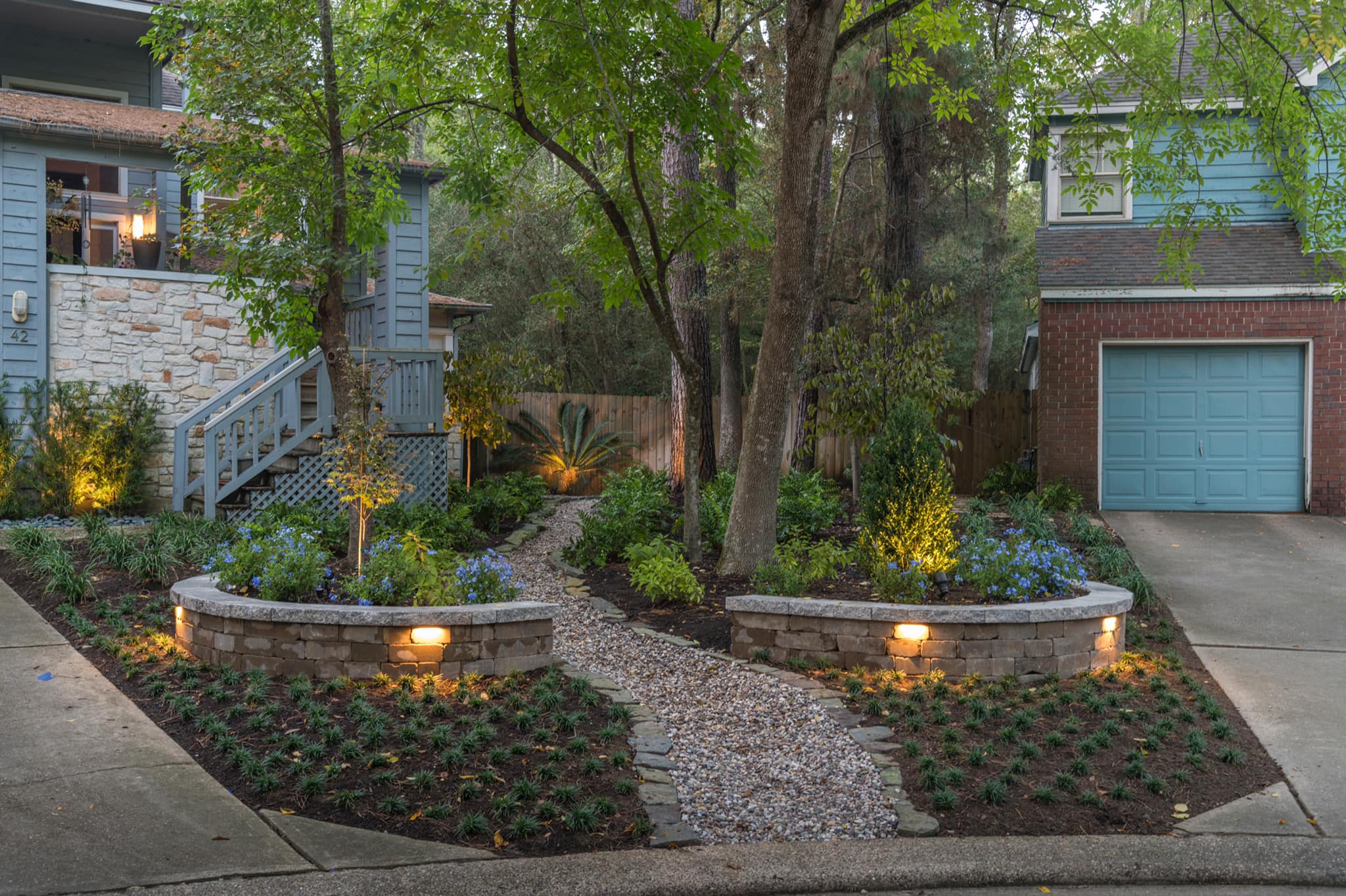
To embark on the journey of crafting harmonious spaces, it is essential to understand the role of symmetry in garden design. Symmetry is not just about mirroring one side of the garden with the other; it’s about creating a cohesive and balanced layout that promotes visual harmony. This approach can be particularly beneficial for those seeking an organized and tranquil outdoor space.
The first step in achieving botanical balance is evaluating the existing space. Understand the natural contours of your garden and identify key focal points. These could be unique trees, a feature wall, or water elements. Determining these focal points helps in deciding where symmetry can enhance the overall design. In many gardens, the main pathways and seating areas serve as centerlines for symmetry, providing a foundation upon which other elements are balanced.
Plant selection plays a crucial role in achieving symmetry. Opt for plants that not only complement each other in terms of color and texture but also exhibit similar growth patterns. For instance, pairing neatly trimmed shrubs or identical topiaries on opposite sides can create a sense of order and rhythm. At Atlas Land Design, we advise using a variety of native plants that can withstand local climate conditions while maintaining a consistent visual appeal.
Another vital aspect of creating symmetry in your landscaping is having repeat patterns. Repetition, whether through color, plant species, or structural elements, helps unify the space. A row of evenly spaced bushes, repeating colors in flower beds, or mirrored garden sculptures can all contribute to a sense of continuity and balance.
While symmetry brings harmony, it is vital to incorporate asymmetrical elements to avoid a garden that looks too stiff or overly structured. Mixing in asymmetrical natural elements—such as winding pathways or irregular flowering plant clusters—can introduce an organic touch that makes the garden feel more relaxing and natural. This blend of symmetry and asymmetry adds depth and visual interest to your landscape.
Careful attention should also be paid to the scale and proportion in the garden. Consider the size and shape of plants in relation to the garden space as a whole. Oversized elements can overwhelm a small space, while too many small details might get lost in a larger garden. Balancing elements of varying sizes can help achieve a natural and inviting atmosphere.
Finally, lighting can dramatically impact the perception of symmetry and balance in your garden. Strategic placement of outdoor lights can highlight important features, create focal points, and even modify focal perceptions of symmetry at night. Well-placed lighting enhances the balanced beauty of your garden, attracting attention to the meticulously crafted symmetry.
In conclusion, achieving botanical balance through symmetric foliage requires careful planning and thoughtful execution. By evaluating your space, selecting the right plants, and thoughtfully incorporating both symmetry and asymmetry, you can create an outdoor space that radiates peace and elegance. At Atlas Land Design, we’re passionate about helping our clients bring their visions to life, transforming their gardens into meticulously balanced sanctuaries.