Blooming Borders: Seasonal Planting Strategies for Year-Round Beauty Dec 16, 2025
The foundation of a vibrant garden is understanding the specific climate and soil conditions of your area. Before you dive into planting, conduct a soil test to determine its pH and nutrient content. This will guide you in selecting plants that will thrive in your landscape's unique conditions. Also, knowing the hardiness zone of your region will help you pick plants that can withstand local seasonal changes.
Incorporating a variety of plants that bloom at different times ensures continuous beauty. For spring, consider planting early bloomers like tulips, daffodils, and hyacinths which provide a burst of color after winter's gray. These bulbs should be planted in the fall, allowing them to establish roots and get ready to sprout as temperatures rise.
As spring transitions into summer, introduce perennials like daylilies, coneflowers, and peonies. Their vibrant colors and diversity contribute to a lively and attractive garden. You can also add annuals, which are great for filling in gaps and providing vivid hues throughout the summer.
In the fall, your garden can continue to shine with chrysanthemums, asters, and ornamental grasses. These plants are resilient to cooling temperatures and provide a warm palette as the leaves change color. Autumn is also the perfect time to plant evergreens and shrubs, which maintain structure and interest throughout winter.
Winter gardens don’t have to be dull. Incorporate plants that have interesting bark textures or berry-producing species like holly and winterberry. These add visual interest and provide food for birds during colder months. Including a mix of evergreen trees and shrubs ensures that your landscape maintains a green backdrop against a snowy landscape.
Beyond selecting the right plants, consider layering your garden to create depth and interest. Start with taller plants in the back or center if you have a circular bed, and layer down to groundcovers like creeping thyme or sweet woodruff. This approach not only maximizes space but also helps showcase each plant's unique beauty.
When planning your year-round garden, consider the time and resources you’re willing to invest in maintenance. While some gardens require only basic weeding and watering, others might need regular pruning and pest management. Choose low-maintenance plants if you prefer a less hands-on approach or have a tight schedule.
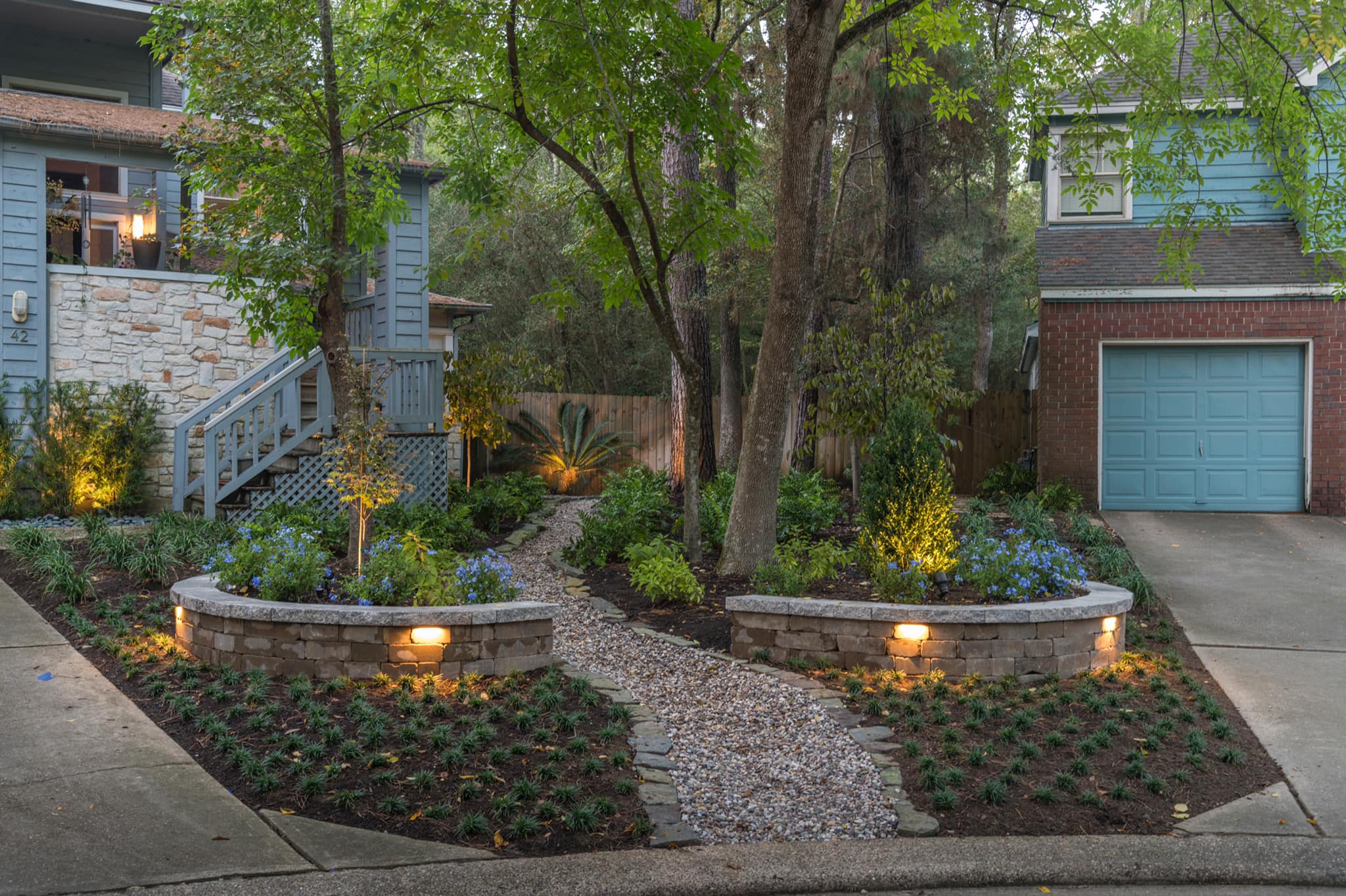
Additionally, complementing your plant selection with hardscaping features like stone pathways, garden walls, or water features can enhance your garden's visual appeal and functionality. A well-designed hardscape not only adds structure but also encourages outdoor living.
In summary, a beautiful, season-spanning garden is achievable with thoughtful planning and a keen eye for detail. By understanding your garden’s environment, choosing a diverse range of plants, and considering hardscaping elements, you can enjoy a stunning landscape all year long. At Atlas Land Design, we are committed to helping you design and maintain gardens that delight every season.