Artful Planting: Highlighting Biodiversity in Contemporary Landscape Designs Mar 02, 2026
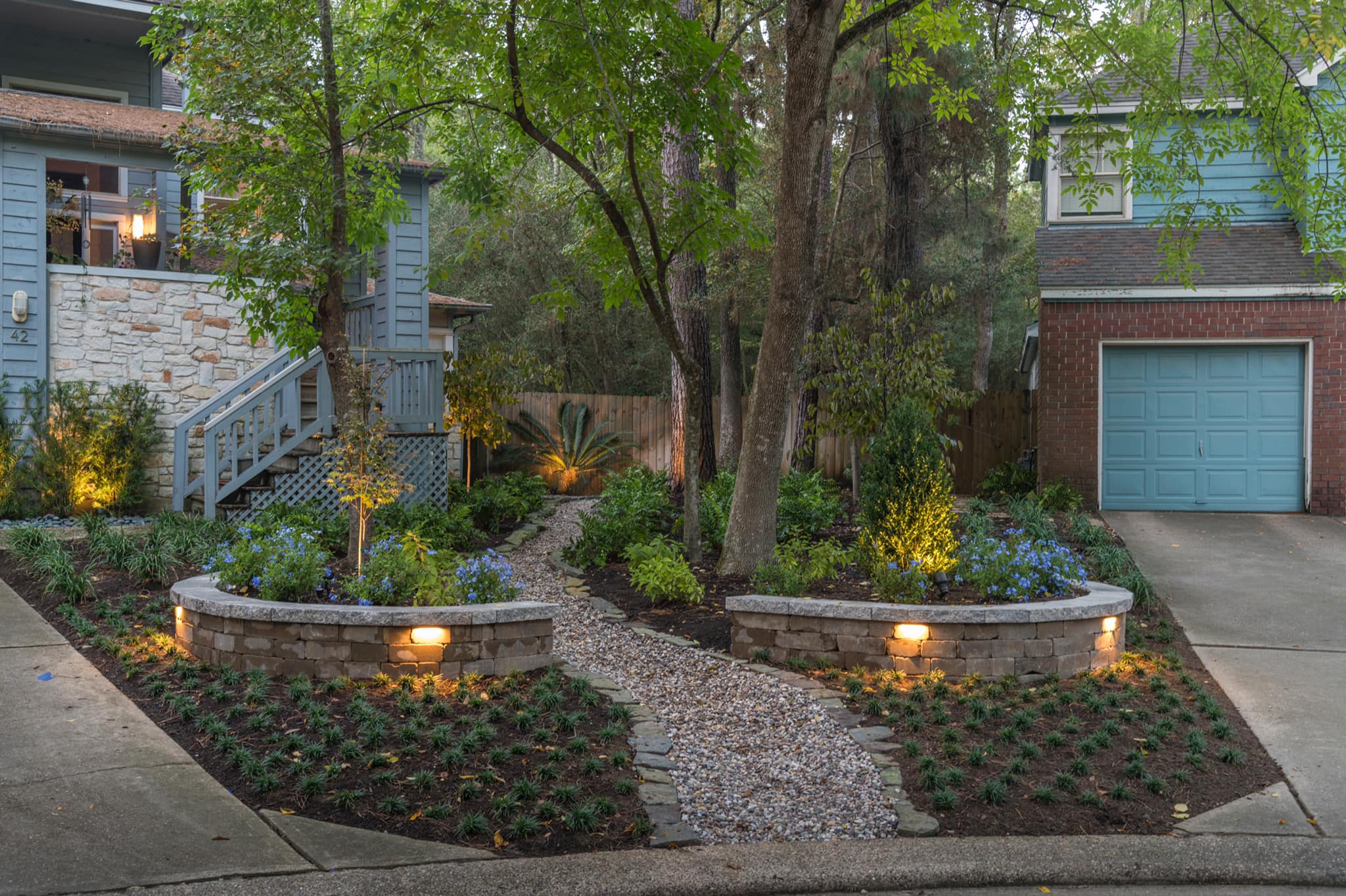
At the heart of contemporary landscape designs lies the principle of diversity. Using a mix of plants—trees, shrubs, perennials, and grasses—adds texture, color, and dimension to your garden. This approach not only supports wildlife but also ensures a sustainable landscape. By understanding your local ecosystem, you can select native plants that require less water and are more resistant to local pests and diseases. This reduces maintenance and the need for chemical interventions, making it a win-win for you and the environment.
Incorporating biodiversity into your landscape begins with a keen understanding of the microclimates within your property. Consider the variation in sunlight, soil type, and moisture levels. These factors influence which plants will thrive in different areas of your garden. For example, shade-tolerant plants like ferns and hostas are ideal for areas with less sunlight, while sun-loving species like lavender and sage flourish in brighter spots. Analyzing these conditions allows you to design a landscape that is both functional and beautiful, tailored to the specific needs of your site.
Layering is another technique that plays a crucial role in achieving a biodiverse landscape. By structuring the garden in layers—from tall canopy trees to low-lying groundcovers—you mimic the natural forest structure, providing habitats for a variety of wildlife. This layering not only adds depth to your landscape but also encourages beneficial insects and birds that aid in pollination and pest control.
Water management is an integral component of a biodiverse garden. Incorporating features like rain gardens, swales, and permeable paving help manage runoff and reduce erosion, while also supporting a wide range of plant species. These features are not only functional but can also serve as striking focal points within your landscape design.
When planning your biodiversity-focused landscape, it is essential to consider the aesthetic elements, such as color schemes and textures. Complementary and contrasting colors can be used to create visual interest, while varied leaf shapes and sizes add texture and complexity. Using these design principles, you can create a landscape that is dynamic and visually appealing while supporting ecological balance.
Finally, maintenance is key to maintaining the biodiversity and aesthetic of your landscape design. Regular pruning, mulching, and monitoring for pests ensure your garden remains healthy and vibrant. By incorporating these maintenance practices, you can enjoy a flourishing landscape that matures beautifully over time.
At Atlas Land Design, we are passionate about creating landscapes that reflect the beauty of nature while supporting ecological balance. By incorporating biodiversity into your outdoor space through artful planting, you can enjoy a garden that is as functional as it is beautiful. Whether you are starting from scratch or enhancing an existing landscape, our team is here to help you craft a sustainable and stunning outdoor oasis. Join us in celebrating the beauty of biodiversity in your contemporary landscape designs.