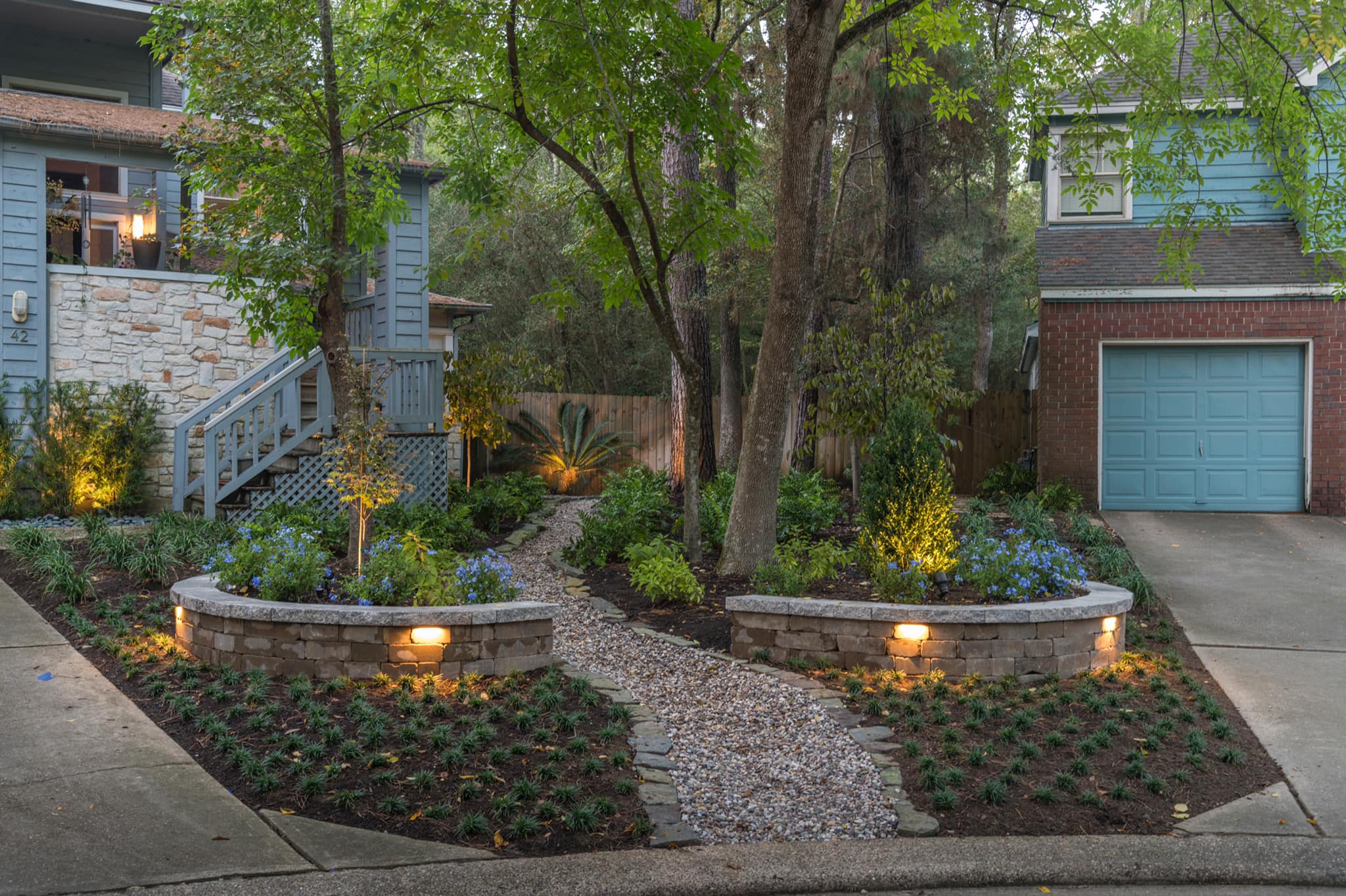
Alpine Awe: Designing Rock Gardens That Echo Mountain Landscapes Jul 06, 2026
At Atlas Land Design, we understand that a truly successful rock garden is more than a scattering of stones. It’s a delightful fusion of form, function, and foliage that collectively whispers the grandeur of towering peaks and sweeping slopes.
Starting a rock garden design begins with strategic planning. First, consider the natural layout of your landscape. Do you have areas of elevation or natural depressions? Utilize these existing features to mimic the undulating terrains characteristic of mountain regions. One key aspect of creating an authentic alpine garden is ensuring that the design follows the natural flow of the land. This approach not only saves on material and labor but also enhances the garden’s connection to its environment.
Next, choose your stones wisely. Opt for those that resemble rocks found in mountain landscapes such as granite, sandstone, or limestone. The selection of rocks is crucial—they should not only vary in size but also in color and texture to mirror the diversity found in nature. Bigger rocks can serve as focal points or define pathways, while smaller stones enhance textural contrast around plant arrangements. When placed artfully, these stones create a dynamic visual interplay that evokes the drama of alpine terrain.
The planting phase is where your rock garden truly comes to life. Selecting plants that are native or adaptable to alpine climates can significantly enhance the authenticity of your rock garden. Think of hardy perennials, ground-hugging evergreens, and wildflowers that flourish in high altitudes. Sedums, alpine asters, and dwarf conifers are popular choices, offering vibrant colors and fascinating textures throughout the seasons.
Incorporating small water features like a miniature waterfall or a bubbling rock can further accentuate the natural mountain aesthetic. Not only do these elements enhance the visual appeal, but they also introduce the soothing sounds of flowing water that can transform your garden into a peaceful retreat.
Maintaining a rock garden requires less upkeep compared to traditional gardens, but it still demands some attention. Regularly remove weeds, as they can disrupt the intended aesthetic and compete with feature plants for nutrients. Pay attention to drainage as well; well-drained soil is fundamental to maintaining plant health in a rock garden.
Finally, accessorize with care. Thoughtful additions such as rustic benches or strategically placed garden lights can enhance usability and extend the enjoyment of your rock garden into the evening hours. These finishing touches should always harmonize with the overall theme of the landscape, ensuring that nothing detracts from the garden’s natural beauty.
In conclusion, a rock garden designed with alpine inspiration is a testament to both nature’s splendor and human ingenuity. At Atlas Land Design, we are committed to bringing your vision of mountain landscapes to life, providing personal sanctuaries that are as functional as they are beautiful. By understanding elements such as terrain, stone selection, plant choice, and overall aesthetics, anyone can cultivate a rock garden that does more than capture attention—it captivates the soul.